
Lieferung heute & morgen

Qualitätsgarantie

Willkommens-Angebote freischalten: KOSTENLOSE Lieferung | Bis zu 80 % RABATT | Kostenlose 30-Tage-JoyPlus-Testphase
App herunterladen
Choosing a child's first proper bicycle is a special milestone. But the market can be overwhelming, filled with options that promise more than they deliver. As a Joybuy Product Recommendation Officer, I see firsthand which factors truly matter and where the most common pitfalls lie. This guide will help you make an informed decision that benefits both your child and your budget.
Many well-intentioned purchases quickly turn out to be impractical or even unsafe. Pay close attention to these three points to avoid making the wrong choice:
Instead of being dazzled by colourful designs, you should focus on three core technical aspects. These determine the safety, durability, and enjoyment your child will get from their bike.
The wheel size in inches (e.g., 12-inch kids' bike or 16-inch kids' bike) is only a rough guideline. The crucial measurement is your child's inseam (also called inside leg length).
Two types of brakes are relevant for children:
The frame material has a direct impact on the overall weight.
Here are some models that represent a considered choice based on objective features for different needs and age groups.

Why This Fits Their Persona: Ideal for toddlers (approx. 2-5 years) who need to learn balance as a foundation for future cycling. A balance bike is the recommended starting point for gaining motor confidence.
This model bypasses the training-wheel trap by specifically training the sense of balance. Its low weight prevents frustration when handling it.
Adjustable seat and handlebars for extended use; puncture-proof EVA foam tires eliminate maintenance.
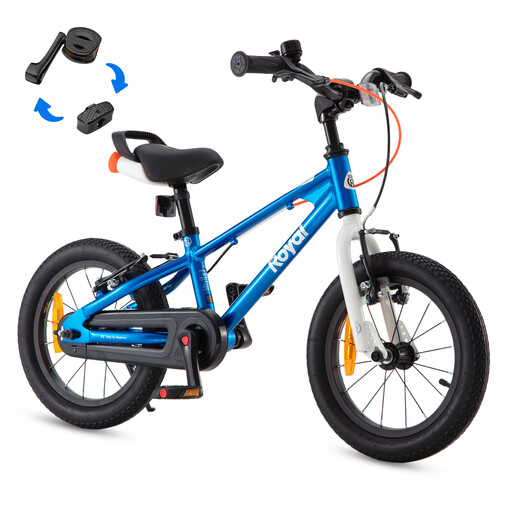
Why This Fits Their Persona: For parents looking for a long-lasting solution. This boys' bike or girls' bike (unisex design) grows with the child's skills, covering the 4-to-7-year-old phase.
It solves the transition from a balance bike to a pedal bike by being both in one. The lightweight aluminium frame bypasses the weight trap and makes handling easier.
According to the manufacturer, the bike features a patented quick-release system to switch between balance and pedal modes without tools. The lightweight aluminium frame weighs only 7.8 kg.
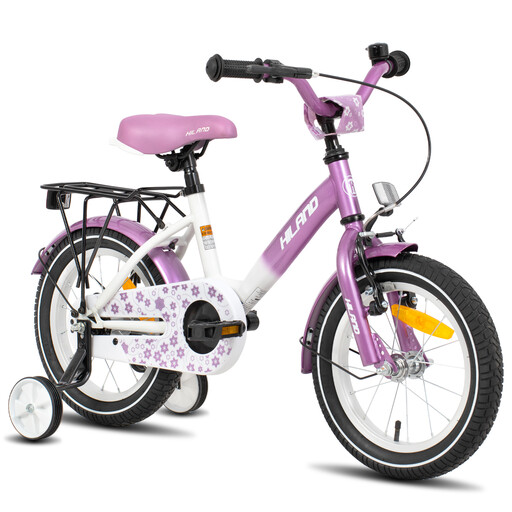
Why This Fits Their Persona: Suitable for children (approx. 4-7 years) who can already balance confidently and need a robust, reliable bike for everyday use and their first short rides.
The 16-inch size is appropriate for the specified age group, avoiding the "grows-with-them" trap. The combination of a hand brake and a coaster brake provides a safe learning environment.
Two independent braking systems (front V-brake, rear coaster brake) for high safety. The durable Hi-Ten steel frame and enclosed chain guard are designed for longevity.
We have curated a complete list of products that meet these selection criteria.
A balance bike is generally a great choice from around two years of age. As soon as a child can walk confidently, they can start practicing their balance on one. This builds an excellent motor foundation for a later, often seamless, transition to a pedal bike, skipping the need for training wheels.
Measure your child's inseam (the inside leg measurement from the floor to the crotch). This is the most important value. The saddle should be adjusted so that the child can safely touch the ground with both feet (or at least the balls of their feet) while seated. Manufacturers often provide a recommended inseam or height in the product details, which serves as a reliable guide.
From a motor skills perspective, they are generally discouraged today. Training wheels provide a false sense of security and do not train the sense of balance, which is crucial for riding independently. The recommended path is to start with a balance bike. If you do use a bike with training wheels, they should be adjusted so they don't constantly touch the ground, encouraging the child to balance. They should be seen as a temporary aid to be removed as soon as possible.