
Lieferung heute & morgen

Qualitätsgarantie

Willkommens-Angebote freischalten: KOSTENLOSE Lieferung | Bis zu 80 % RABATT | Kostenlose 30-Tage-JoyPlus-Testphase
App herunterladen
Whether they’re for nursery, school, home or a creative hobby, children’s colouring pens vary considerably in their nibs, ink flow, washability and recommended age. A wide choice of colours alone doesn’t tell you whether a set is right for the job. Unclear product details, unsuitable nibs or a lack of storage are common reasons why pens dry out quickly or rarely get used.
This guide explains what parents, grandparents, schools and nurseries, and creative adults should look for when buying.
Washable felt-tip pens are usually easier to remove from skin and many fabrics. However, the result depends on how long the ink has been there, the material and the wash temperature. Marks can still remain on painted walls, wood, upholstery or untreated surfaces. It’s best to use them on paper or suitable craft surfaces.
A children’s marker set with 50 or 120 colours may look versatile, but it can be confusing for younger children. Broad or chisel nibs are useful for filling in large areas, while fine nibs make details and writing easier. Dual-tip markers combine both uses, but they usually need more careful handling and storage.
Colouring pens for ages 3 and up may contain small parts, removable caps or pointed components. The age recommendation is therefore an important factor, but it doesn’t replace adult supervision. If a product mentions EN 71, check what the statement refers to. And even ink described as non-toxic is not intended to be swallowed.
For everyday use with children, water-based, low-odour or odourless inks are practical. Check the specific claim for washable felt-tip pens: “washable from skin and most fabrics” doesn’t guarantee they’ll come clean from every surface.
Schools and nurseries should also bear the following in mind:
A thick, short barrel can be easier for little hands to hold. A round stamp or sponge nib is suitable for dots and large patterns. Fibre and felt nibs create lines, while a chisel nib can make strokes of different widths depending on the angle.
Older children, teenagers and adults might also consider brush pens or watercolour pencils. Brush pens often combine a flexible brush tip with a fine liner tip. Watercolour pencils have water-soluble cores and need suitable watercolour paper and a brush to create visible effects.
A 12-piece set may be enough for a first go at drawing and colouring. Larger sets are a good choice for colour blending, illustrations or school projects. Check whether the colours are labelled or numbered, and whether a storage box is included. Sturdy storage helps prevent lost caps and makes the set easier to take out and about.
When choosing coloured pencils for children, also consider the core thickness, resistance to breakage, wood quality and whether the pencils come pre-sharpened. For children’s creative craft kits, check which materials are actually included and whether you’ll need any extra tools.
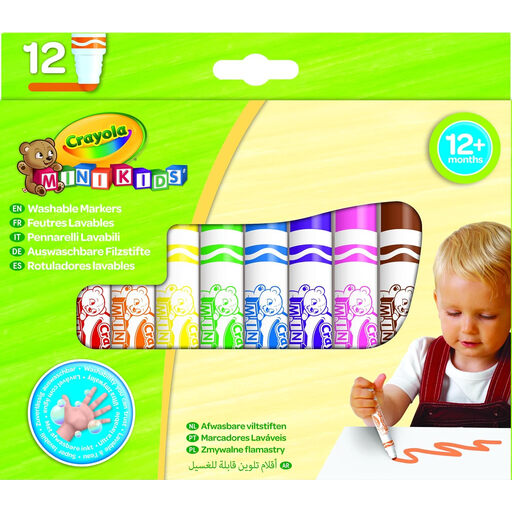
Why it suits this profile: This 12-piece set offers a manageable choice of colours and a thick barrel that’s easy for little hands to hold. According to the product details, it contains water-based ink with a washable formula.
The colour selection is easy to manage, and the product details mention super-washable ink and ventilated caps in accordance with EN 71. Adult supervision is still recommended.
12 colours, ball tip designed not to push through the paper according to the product description, and water-based ink.
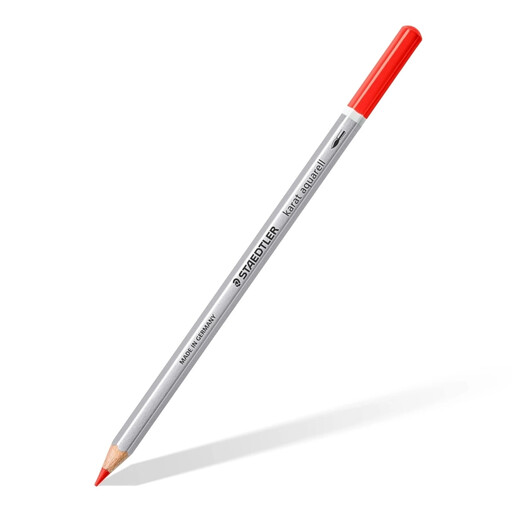
Why it suits this profile: The water-soluble core works for dry drawings as well as techniques using water and a brush. The hexagonal barrel provides a firm grip.
You’re not limited to just one way of applying colour. For more predictable results, use watercolour paper and adjust the amount of water gradually.
Water-soluble core, FSC-certified wood according to the product details, and several ways to use the pencils.
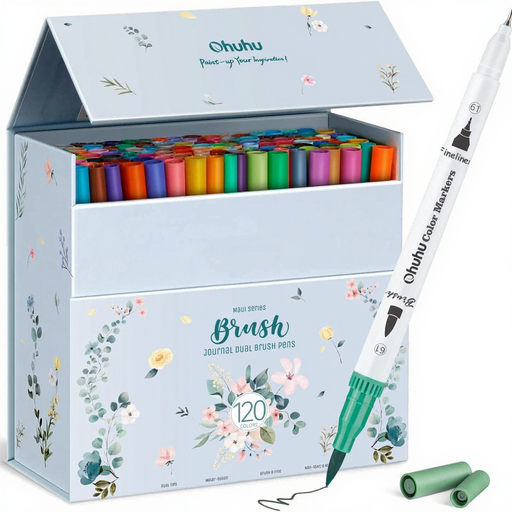
Why it suits this profile: This set is designed for teenagers, adults and hobby artists looking to combine a wide range of shades with a 0.4 mm fine liner tip and a flexible brush tip.
The two tips are suited to both fine details and broader brush strokes. Water-based ink can be worked with water on suitable paper; replace the caps straight after use.
120 numbered colours, two tips per pen, a storage case and replacement nibs according to the product details.
We’ve put together a complete, regularly updated list of products that meet these strict selection criteria and fully comply with the safety regulations in force in the EU.
The lifespan of felt-tip pens depends largely on how they’re capped and stored. After each use, make sure the caps click firmly into place. Brush pens are usually best stored horizontally, unless the product details say otherwise. Dried-out nibs can’t always be restored.
Store watercolour pencils and coloured pencils in a dry place, and sharpen them with a suitable sharpener. Pastel pencils and other pigment-rich materials are best used on a protected work surface, as colour dust can cling to fabrics.
Choose products with a clear age recommendation, an easy-to-grip barrel and a nib shape designed for children. Adult supervision is needed if the set contains small parts, sharp leads or removable caps. Always follow the guidance on the packaging and product page.
According to product details, certain water-based inks can be removed from skin and most fabrics. This isn’t guaranteed for every fibre, colour or length of time the ink has been on the fabric. Treat stains as soon as possible with soap and water.
Watercolour pencils have a water-soluble core. Use them like coloured pencils, then blend the colour with water and a brush. Brush pens contain liquid ink and, depending on the model, have a flexible brush tip and a fine tip. Both are suitable for different drawing and blending techniques.