
Lieferung heute & morgen

Qualitätsgarantie

Willkommens-Angebote freischalten: KOSTENLOSE Lieferung | Bis zu 80 % RABATT | Kostenlose 30-Tage-JoyPlus-Testphase
App herunterladen
A children’s cup needs to do more than just hold a drink in everyday family life. It should suit the child’s size, the beverage and where it will be used. Whether you’re looking for children’s drinking cups, children’s glass tumblers, milk cups for children or accessories for the pushchair, the product name alone doesn’t tell you much about how practical it really is.
Three common buying pitfalls crop up time and again:
With a children’s cup, the material isn’t just about looks. Check whether the product is explicitly designed for drinks and what care instructions apply.
A children’s glass tumbler made from borosilicate glass may, according to the supplier’s product description, be suitable for water, milk, juice or smoothies. The BJ High Borosilicate Glass Cup is also said to withstand sudden temperature changes. Even so, glass remains fragile and should only be used with young children under supervision.
For plastic or stainless steel cups, look for details on the material, cleaning instructions and whether they’re dishwasher-safe. If specific information is missing, don’t assume properties like being free from harmful substances, heat-resistant or fully leak-proof. Also check for any indications that the product is suitable for contact with food.
For babies and toddlers, a low weight, a diameter that’s easy to grip and a manageable drinking amount are key. A capacity of 500 ml is better suited to longer outings or older children than to a first training cup.
A children’s milk cup or breakfast cup should sit steadily on the table. For on the go, a lid and straw can be useful. However, check that the lid fits securely and that all parts can be cleaned hygienically. Narrow drinking openings are practical but can make cleaning more difficult.
A baby bottle holder for a pushchair isn’t chosen by the name of the pushchair, but by the actual measurements. According to the product details, the Kikka Boo Cup & Bottle Holder is designed for pushchair handles with a diameter of 20 to 35 mm and bottles or cups up to 95 mm in diameter.
Before ordering, measure your pushchair’s handle. Also pay attention to the weight limit. A holder is not a toy and should be checked regularly for secure fit, wear and damage.
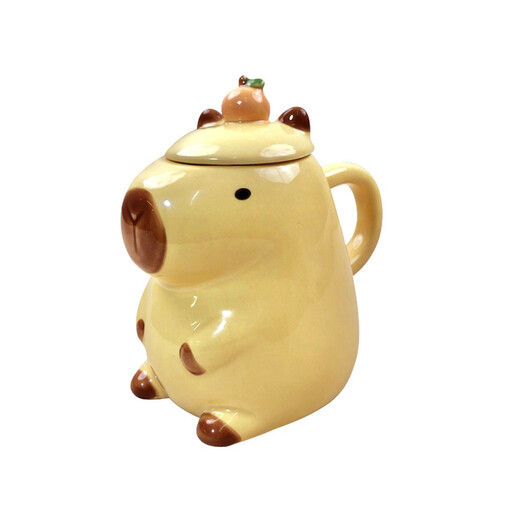
Why this product fits the profile: The decorative animal design is ideal for families looking for a mug for home use who value a child-friendly appearance. However, the available information does not include detailed material or size details.
The missing details are transparently acknowledged: before buying, you should check the size, material, age recommendation and care instructions on the product page.
Cartoon look for the home; manufacturer and EU responsible person details are listed in the product information.
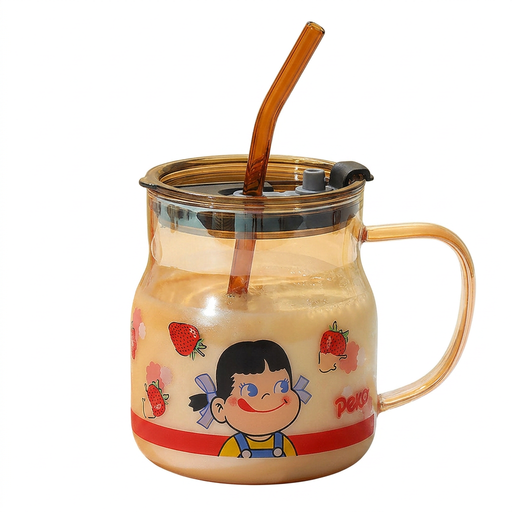
Why this product fits the profile: According to the product description, this 500 ml children’s cup combines borosilicate glass with a lid and straw. It’s aimed at families looking for a transparent vessel for breakfast, home or on the go.
The lid and straw are listed as specific components. Since the vessel is made of glass, it should still not be used unsupervised by young children.
500 ml capacity; lid and straw included according to the product details; borosilicate glass with stated thermal shock resistance.
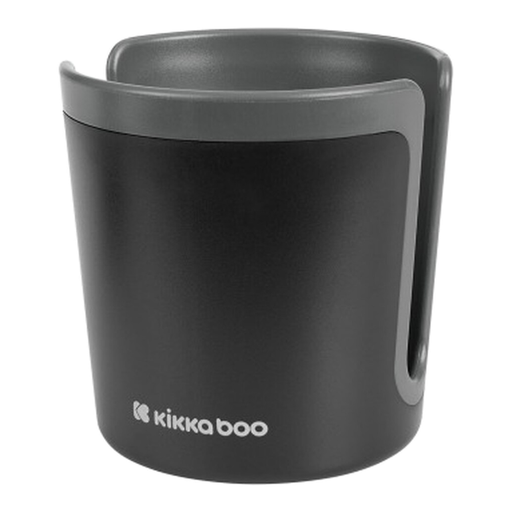
Why this product fits the profile: This holder is designed for families who want to keep bottles, drinking cups or water flasks within easy reach on the pushchair during walks.
The relevant measurements are provided: 20–35 mm for the pushchair handle and up to 95 mm for bottles or cups. The weight warning should be heeded.
360-degree rotation function; tool-free assembly; flexible rubber elements for securing and protecting the surface, according to the product description.
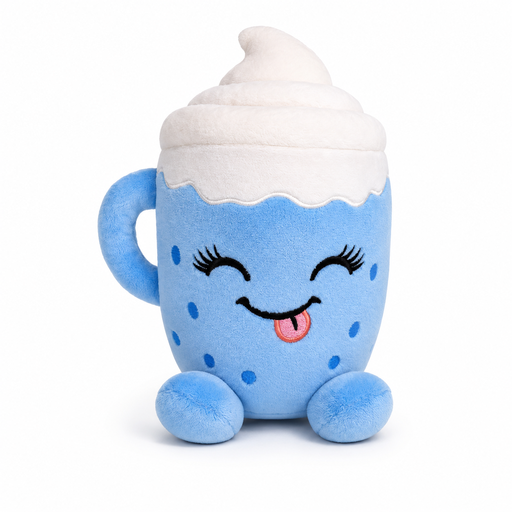
Why this product fits the profile: This 25 cm plush toy in the shape of a mug is a gift idea for children aged 3 and over, as well as for collectors. It’s intended as decoration or a companion, not as a drinking vessel.
The clear classification as a plush toy prevents any confusion with a children’s cup. According to the warning, it is intended for children over 3 years old and adults.
Polyester filling; approximately 25 cm tall; three colour options according to the product description. Care is by gentle wiping.
We’ve put together a complete, regularly updated list of products that fully meet these strict selection criteria and the safety regulations in force in the EU.
For on the go, a secure lid, a suitable capacity and a design that’s easy to clean are important. A children’s cup with a straw can make drinking easier, but it’s only practical if the straw fits securely and can be cleaned thoroughly. For the pushchair, you should also check the correct bottle holder diameter.
Glass can be suitable for drinks, but it remains fragile. A children’s glass tumbler should only be used under supervision, especially with babies and toddlers. The age recommendation, weight, grip size and the manufacturer’s specific safety instructions are also crucial.
The lifespan depends on the material, use and care. Replace a cup if cracks, sharp edges, damaged seals or permanently discoloured and hard-to-clean parts appear. With a leak-proof children’s cup, the seal in particular should be checked regularly, as its effectiveness can diminish over time.