
Lieferung heute & morgen

Qualitätsgarantie

Willkommens-Angebote freischalten: KOSTENLOSE Lieferung | Bis zu 80 % RABATT | Kostenlose 30-Tage-JoyPlus-Testphase
App herunterladen
The selection of children's food on supermarket shelves can be overwhelming. Colourful packaging with cartoon characters and health claims all compete for the attention of parents and children. However, not every product advertised as "kid-friendly" is a good choice for your little ones. As your Joybuy Product Recommendation Officer, I'll help you recognise the common pitfalls and make an informed decision.
Before we get to the recommendations, it's important to understand the most common marketing strategies that often lead to poor choices.
To avoid falling into these traps, a few glances at the back of the package are often all you need. Focus on these three aspects:
The order of the ingredients tells you what the product contains most of. If sugar (or one of its many aliases like glucose syrup, fructose, dextrose) is listed near the top, be cautious. A look at the nutritional information per 100g is more revealing than the value per serving.
Children's needs change with age. A product for a three-year-old is not necessarily suitable for a one-year-old.
Organic children's meals guarantee the absence of synthetic chemical pesticides and genetic engineering. This is a clear advantage. Nevertheless, the rule still applies: check the nutritional values here too. Character pasta is usually made from the same ingredients as regular pasta (mostly durum wheat semolina) and is nutritionally equivalent. It's an easy way to get picky eaters excited about a meal without compromising on the ingredients.
Here are some product suggestions tailored to the different everyday situations and needs of families.
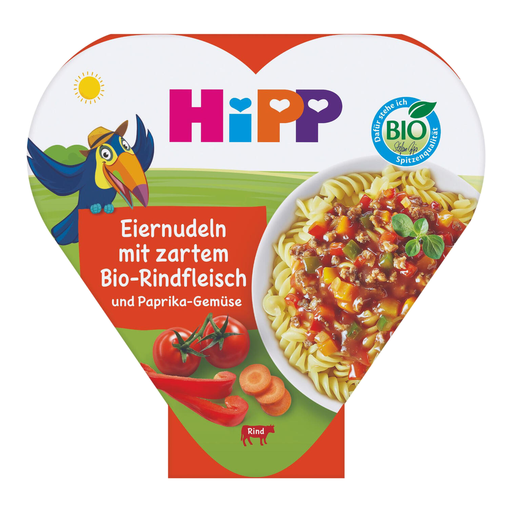
Why this product is a good fit: When there's no time to cook, this ready meal for toddlers offers a complete and quickly prepared meal. The ingredients are tailored to the nutritional needs of children from 1 year of age.
It bypasses the "health halo" trap by using organic ingredients and offering a transparent, age-appropriate nutritional composition without hidden additives.
A complete meal in organic quality; according to the manufacturer, ingredients are steam-cooked to preserve nutrients.
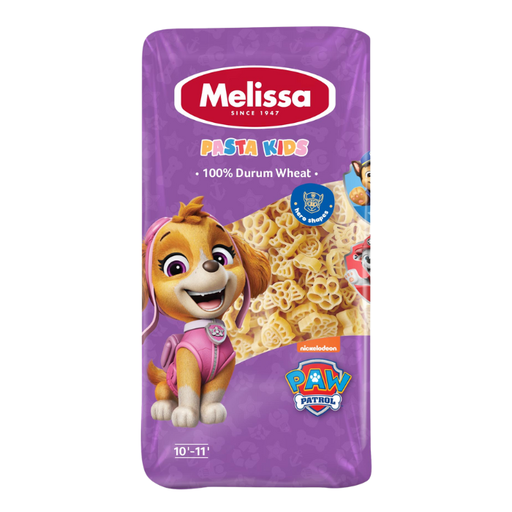
Why this product is a good fit: This pasta, shaped like the popular character Skye from Paw Patrol, can motivate children to try and finish their meal. It's a simple method to make the dinner table more interesting.
It avoids the "fun factor" trap because the product is nutritionally solid. It consists of 100% durum wheat semolina and water, with no hidden additives or sugar.
Increases mealtime acceptance with a shape popular among children; the ingredients list is short and transparent.
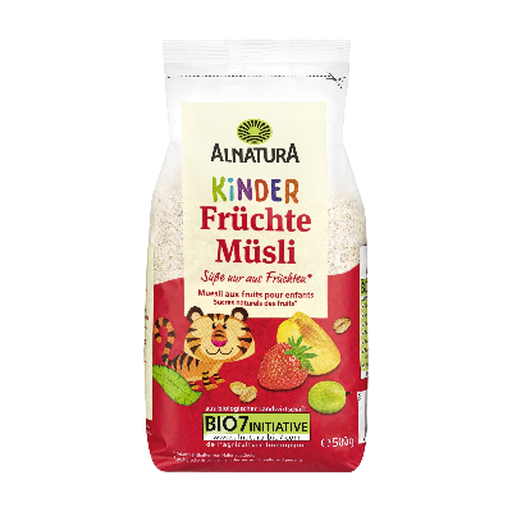
Why this product is a good fit: This muesli is a great foundation for a balanced breakfast. It combines whole-grain flakes with dried fruits and contains no added crystalline sugar.
It directly addresses the sugar trap. According to the manufacturer, no sugar is added; the sweetness comes exclusively from the fruits it contains. The organic quality is an additional plus.
No added sugar (contains naturally occurring sugars from fruit); high content of oat and spelt whole-grain flakes.
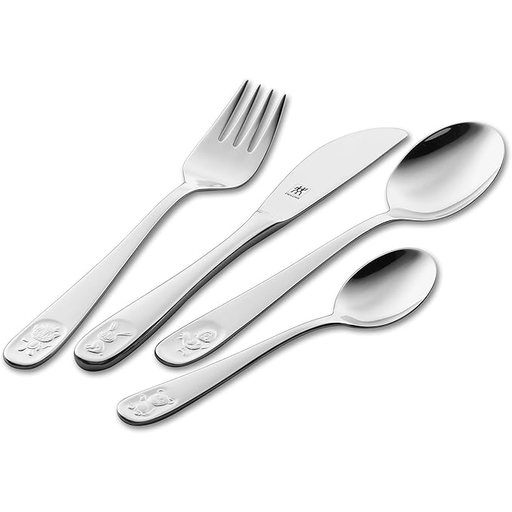
Why this product is a good fit: This set is specially designed for children's hands from 3 years of age. The ergonomic shape, blunt knife, and rounded fork tines safely promote motor skill development and independence at mealtimes.
It avoids the purchase of impractical or short-lived plastic cutlery. Investing in a high-quality stainless steel set is durable, hygienic, and won't frustrate a child who is learning to eat.
Made from rust-free 18/10 stainless steel, dishwasher-safe, and taste-neutral; child-friendly ergonomics and safety features.
We have compiled a complete, up-to-date list of products that fully meet these strict selection criteria.
The most reliable way is to check the nutrition panel per 100g. A value below 5g is considered low in sugar. Also, check the ingredients list: the further down sugar (or terms like syrup, dextrose, maltose) appears, the better. Products that only advertise sweetness from fruit are often a good choice, but it's still worth checking the total sugar content.
Ready meals can be a practical help in daily life, especially when you're short on time. From the age of about 12 months, when children are already used to chunkier food, they can be an occasional alternative to a home-cooked meal. It is advisable to look for low salt content and organic quality, and not to make them a daily routine.
No, generally not. Most character pastas, like those from Melissa, are made from 100% durum wheat semolina and water—just like conventional pasta. They have the same nutritional values and cooking properties. The shape is simply designed to make the meal more appealing to children without compromising nutritional quality.