
Lieferung heute & morgen

Qualitätsgarantie

Willkommens-Angebote freischalten: KOSTENLOSE Lieferung | Bis zu 80 % RABATT | Kostenlose 30-Tage-JoyPlus-Testphase
App herunterladen
By Joybuy Product Recommendation Officer, August 29, 2026
The selection of children's games is vast and constantly growing. Whether it's a gift for kids on their birthday, for a family game night, or as fun entertainment for a children's party, finding the right one is often a challenge. Many parents know the disappointment of an expensive game being tossed aside after just one round, never to be played with again.
To help you make the right decision, we'll highlight the most common purchasing pitfalls and show you which objective criteria to consider for an informed choice.
Marketing promises often sound appealing, but the reality in the playroom can be quite different. Watch out for these three typical problems to avoid making a bad buy:
To find the perfect game, let tangible product features, rather than colourful packaging, guide your decision. The following three parameters are crucial.
The manufacturer's age recommendation is an important starting point. However, treat it as a guideline and consider your child's individual developmental stage. Can they already reliably identify colours and shapes? Do they have the patience for longer rounds, or do they need quick wins? A toy for ages 4 and up might be suitable for an advanced three-year-old, while another child of the same age could still be overwhelmed.
The player count is just as relevant. Are you looking for family games for four or more people, a game for two siblings, or an activity a child can play alone? Check the specifications carefully to ensure the game fits your family's dynamic.
The mechanics determine how a game feels to play. Pure games of chance (e.g., dice games) are often easy to learn but can lose their appeal over time. Games with a strategic element, where players' decisions influence the outcome, usually offer higher replay value.
Educational games often cleverly integrate learning content into the game mechanics, so learning happens naturally. High replay value is often created by variable game setups, different paths to victory, or expansion options that make each session unique.
Good board games for children are distinguished by durable materials. Look for thick, laminated cardboard for game boards and cards, as well as sturdy, smooth-edged plastic for figures and accessories. For games intended for children under three, warnings about small parts that pose a choking hazard are legally required. Check these warnings carefully to ensure safety.
Based on the criteria above, we have put together some recommendations tailored to different needs and player types.
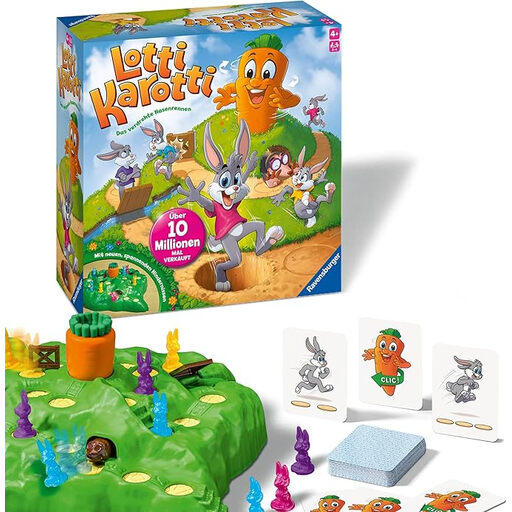
Why this game is a great fit: Ideal for families looking for a quick and straightforward game to play between activities. The short playtime of about 20 minutes and simple rules make it perfect for younger children with shorter attention spans.
The game avoids the "frustration trap" with an extremely simple mechanic (draw a card, move your piece). The surprise element of the suddenly appearing holes creates lasting excitement and high replay value.
A high luck factor ensures a level playing field between younger and older players. The 3D components (hill, carrot) are visually appealing and robust.
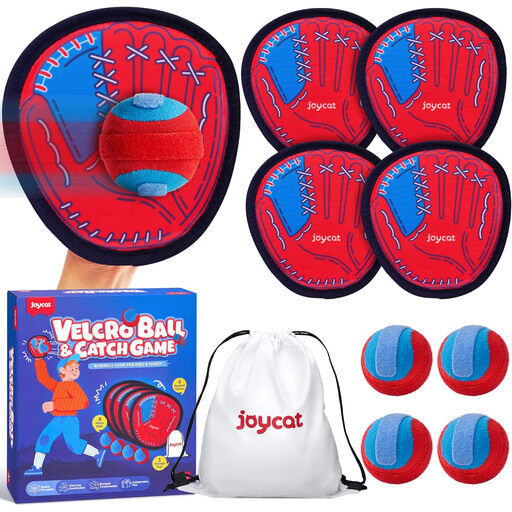
Why this game is a great fit: Perfect for children with a lot of energy to burn. It promotes hand-eye coordination and can be played flexibly in the garden, at the beach, or even in a larger room. It's not a classic board game, but an active toy.
This set bypasses the "one-and-done" trap by offering open-ended play with no fixed rules. Children can invent their own game variations. The sturdy Velcro paddles and soft balls are designed for durability during active use.
The adjustable hand straps on the paddles fit various hand sizes, allowing kids and adults to play together. The set comes with a storage bag, making it an ideal travel game.
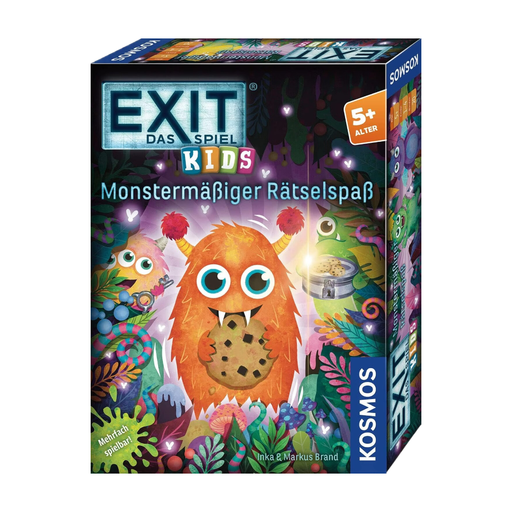
Why this game is a great fit: A child-friendly introduction to the world of escape room games. It promotes logical thinking, teamwork, and creativity without overwhelming kids with overly complex tasks. Suitable for children aged 5 and up.
This game is explicitly designed for replayability. The puzzle mechanisms allow for a new experience in every round, thus avoiding the "one-and-done" trap. The rules are simple and quickly explained.
The well-known EXIT puzzle mechanics have been specially adapted for children. The game can be played cooperatively in a group or solo, which makes it very flexible.
We have compiled a complete, up-to-date list of products that fully meet these strict selection criteria and all applicable safety regulations.
The manufacturer's age rating is a good starting point. Observe your child: What skills do they already have? Can they concentrate for 15–20 minutes? Do they understand simple rules like "first to the finish line wins"? For educational games, you should check if the learning content (e.g., first numbers, letters) matches their current knowledge. When in doubt, a game that is slightly too challenging at first is a better choice than one that is under-challenging.
Good travel games are above all compact and have few or no loose small parts. Magnetic game boards, peg-based systems, or games consisting mainly of cards are ideal for the car, train, or plane. Sturdy packaging or an included bag is also beneficial for keeping all the pieces together.
Proper storage is crucial for longevity. Store games in their original boxes in a dry place. Teach children from the beginning to put all the pieces back in the box after playing. For games with many small parts, resealable bags can help maintain order and prevent loss. This ensures the joy of the game will last for a long time.