
Lieferung heute & morgen

Qualitätsgarantie

Willkommens-Angebote freischalten: KOSTENLOSE Lieferung | Bis zu 80 % RABATT | Kostenlose 30-Tage-JoyPlus-Testphase
App herunterladen
The selection of children’s games and toys ranges from educational games and children’s board games to remote-controlled cars and interactive toys. However, an attractively presented product is not automatically suitable for every child. Age, play environment, materials, contents, and how the product will actually be used day to day are all important considerations.
Lights, music, remote controls and numerous game modes may seem convincing at first. However, a product with small parts, complicated rules or delicate technology may be unsuitable for a three-year-old. Before buying, the recommendation “toy for ages 3+”, “toy for ages 6+” or “toy for ages 8+” should therefore be compared with the child’s stage of development and how the product is intended to be used.
When choosing educational and thinking games, it is worth looking at the actual game mechanics. Does the child recognise numbers, sort shapes, solve tasks or coordinate movements? These verifiable features are more meaningful than general advertising claims about developing skills. Educational support is also not a medical or therapeutic promise.
Children’s board games sometimes do not include batteries, chargers or additional accessories. Electronic products may need to be charged regularly. Board games for children and family games, meanwhile, require a sufficiently large, level playing surface. Before placing an order, you should therefore check the contents, dimensions, power supply and storage requirements.
The age recommendation is an important safety and usage guide, but it is not an individual assessment of a child’s development. For toys with dice, playing pieces, cards, construction elements or magic accessories, check whether they contain small parts. Direct adult supervision is advisable for younger children, particularly when siblings of different ages are playing together.
Also pay attention to:
The right product depends on how it is going to be played. A single-player puzzle is suitable for quiet activities, while family games require several players and a longer playing time. For children’s birthday presents, simple rules, sturdy components and flexible group sizes are often useful.
With skill games, ease of use and stability are key. With thinking games, the number of tasks, difficulty levels and the option to play independently are important. For electronic toys, parents should also consider the volume, charging time, controls and whether the product is intended for indoor or outdoor use.
Wooden games should be well finished, with no visible splinters or sharp edges. For plastic products, pay attention to the material details, workmanship and sturdy construction. Electronic toys with a lithium battery must not be opened, damaged or used while charging if the manufacturer prohibits this.
For products with motors, wheels or propellers, a brief visual inspection before every use is advisable. Damaged casings, loose parts or unusual noises are reasons to stop using the toy. The applicable manufacturer’s instructions and markings, such as CE conformity, should be clearly present on the product and packaging.
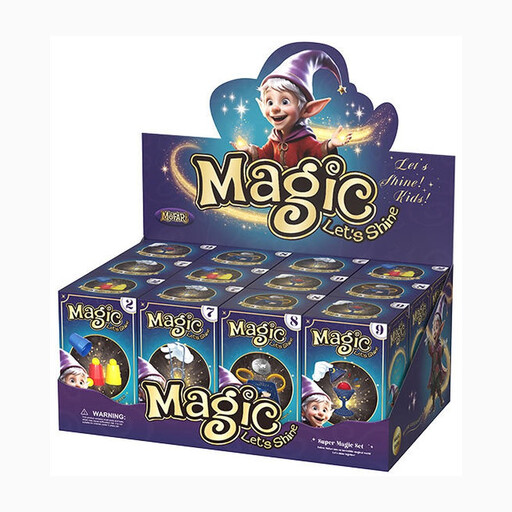
Why this product suits this profile: This compact set is intended for children aged 3 and over and includes 12 tricks with instructions and video tutorials. It is therefore suitable as a manageable gift or for supervised activities at home.
The product page states the age recommendation, number of tricks and included instructions. Nevertheless, warnings and suitability for the individual child should still be checked before buying.
Compact design, 12 tricks, plus a manual and video tutorials; ABS props according to the product details.
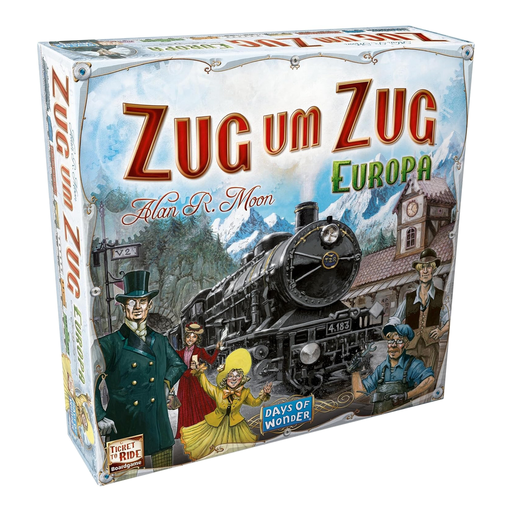
Why this product suits this profile: This German family game is designed for 2 to 5 players aged 8 and over. It features clearly explained route-building gameplay with cards, stations and destination tickets.
The number of players, recommended age, materials and approximate playing time are stated. The many cards and small parts should be put away completely after playing.
2 to 5 players, approximately 45 minutes’ playing time according to the product details, and a German edition.
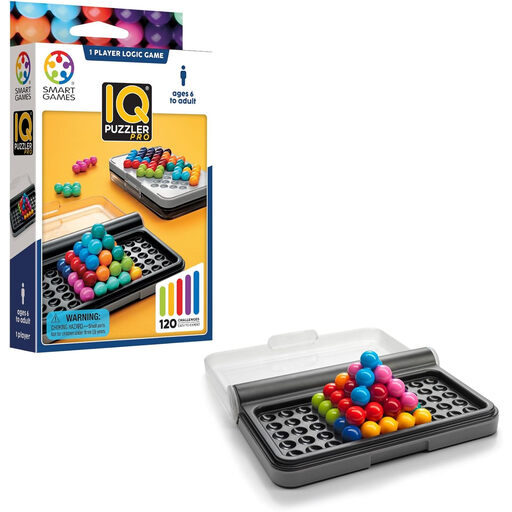
Why this product suits this profile: This compact thinking game for children aged 6 and over is designed for one player. It is ideal for travelling, waiting times or focused play at home.
The product details state that it includes 120 challenges in three game modes, 13 pieces and requires no batteries. This reduces ongoing additional costs and makes it easier to use when travelling.
120 challenges, 2D and 3D modes, compact dimensions and battery-free operation according to the product description.
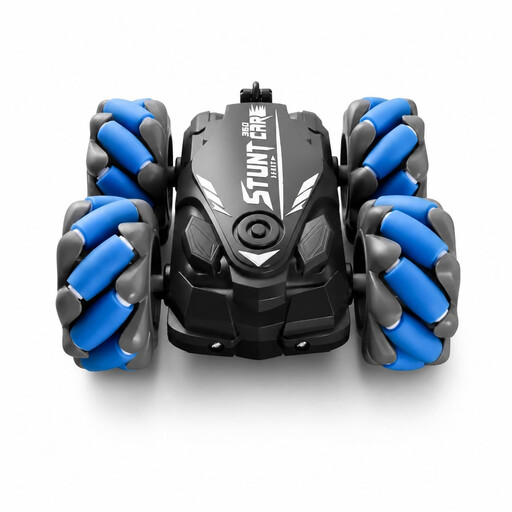
Why this product suits this profile: This remote-controlled car is aimed at children aged 8 and over and offers both remote control and gesture control. It is suitable for families to use on level indoor floors and paved outdoor surfaces.
The age recommendation, battery type and safety warnings are stated. Before each drive, the wheels, casing and charge level should be checked; the rotating wheels require fingers to be kept at a safe distance.
2.4 GHz control, four-wheel drive, gesture and remote control, plus a USB charging cable according to the product details.
We have put together a complete, regularly updated list of products that fully meet these strict selection criteria and the safety regulations applicable in the EU.
Toys for children aged 3 and over can include simple construction, sorting and skill games, provided that the small parts are suitable for the recommended age. A magic set labelled as suitable for the child’s age may also be appropriate, but it should initially be used together with an adult.
Their lifespan depends on the materials, mechanics, frequency of use and storage conditions. Cardboard and paper components should be stored in a dry place, plastic parts should be checked regularly, and electronic toys should be disconnected from the power supply after charging. Without specific information from the manufacturer, it is not possible to give a reliable general shelf life.
Potential ongoing costs may result from batteries, electricity consumption or replacement parts. USB-rechargeable products eliminate the need to buy batteries regularly, but charging instructions and the condition of the battery must still be taken into account. Battery-free thinking and board games generally incur no energy costs during normal use.