
Lieferung heute & morgen

Qualitätsgarantie

Willkommens-Angebote freischalten: KOSTENLOSE Lieferung | Bis zu 80 % RABATT | Kostenlose 30-Tage-JoyPlus-Testphase
App herunterladen
A children’s jigsaw should suit your child’s age, fine motor skills and patience. In practice, though, parents and grandparents often choose a picture that appeals to them but doesn’t work so well when it comes to putting it together. Too many pieces, an unsuitable surface or unclear safety information can mean the jigsaw is quickly left unused.
The following criteria can help you choose the right jigsaw for toddlers, nursery-age children and childcare settings.
The age recommendation on the packaging is a useful guide, but it doesn’t replace your own assessment of your child. A children’s jigsaw for ages 3 and up with 12 to 24 pieces may suit beginners. However, some children still prefer simpler pictures at age four, while others are ready for more of a challenge.
A 24-piece children’s jigsaw appeals to many children from around age four. The size of the pieces, the picture and your child’s experience with jigsaws are also important.
Jigsaws often contain small pieces. For the products mentioned here, the manufacturers state that they are not suitable for children under 3 due to the risk of swallowing. This also applies when a jigsaw is marketed as an educational toy.
So, check for:
A CE marking may indicate compliance with European requirements. However, it is no substitute for checking the specific age recommendation or inspecting the product before use.
A Disney Frozen jigsaw, Paw Patrol jigsaw, Peppa Pig jigsaw or children’s vehicle jigsaw can instantly appeal to children. But the picture alone doesn’t determine whether the jigsaw is a good fit. A frame jigsaw for children may be easier to complete thanks to the outlines on the backing board. Without this guidance, even an attractive picture can be too difficult for beginners.
As a general guide, consider these ranges:
A set of 3 children’s jigsaws with 24 pieces each offers three pictures with the same number of pieces. This makes it easier to compare the pictures and is a good choice for families, nurseries or siblings.
An integrated frame or backing board can make a jigsaw easier to complete. Outlines show where each piece belongs. For an educational jigsaw for children, clear colours, easy-to-recognise shapes and uncluttered picture areas are also useful.
For a jigsaw with large pieces, check not only the overall dimensions but also how easy the pieces are to grip. Ideally, the product description should include details of the size, materials and age recommendation.
The products mentioned are mostly made from paper, card or coated card. For everyday use, sturdy pieces, precise cuts and dry storage are important. Many models can be cleaned with a dry or slightly damp cloth. Moisture can warp the card and damage the surface.
For sets with several pictures, it’s best to store each one separately. This prevents the pieces from getting mixed up and helps keep the jigsaw complete.
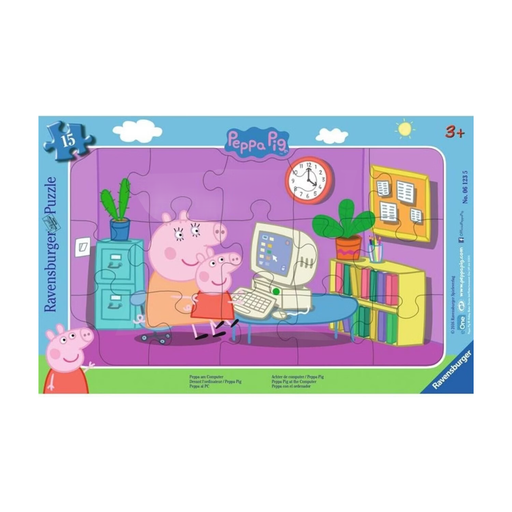
Why this product is a good fit: This 15-piece frame jigsaw is designed for children aged 3 and over. The outlines on the backing board provide clear guidance.
The small number of pieces makes it easier to get started. The frame means children don’t have to assemble the picture without boundaries on a large surface.
15 pieces, a Peppa Pig picture, a frame with outlines and material described as extra thick.
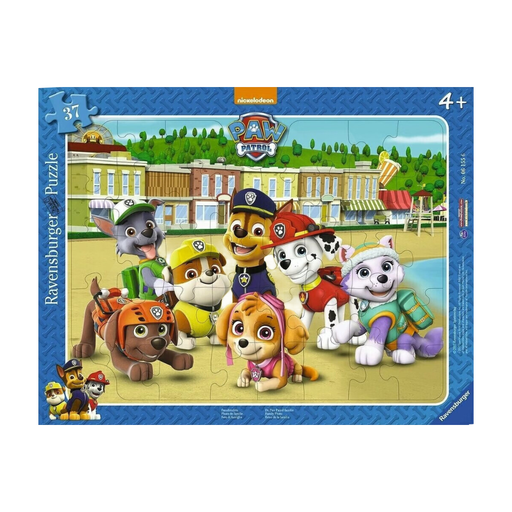
Why this product is a good fit: Designed for children aged 4 and over, this model has a clearly defined format and a backing board to help with assembly.
The age recommendation, number of pieces and jigsaw format are all clearly stated. This makes it easier to compare with other children’s jigsaws for ages 4 and up.
37 pieces, a Paw Patrol picture, a 24.5 × 32.5 cm format and a backing board with a frame.
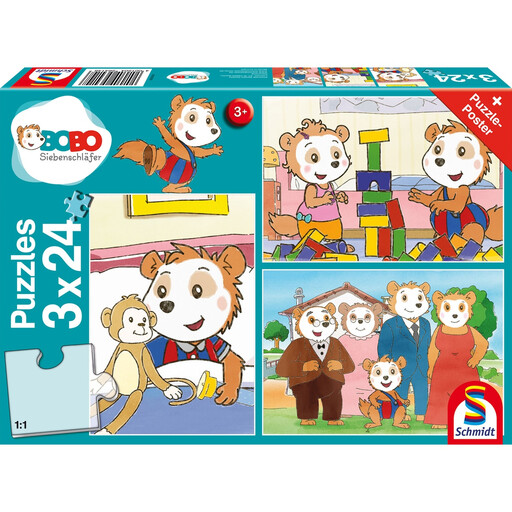
Why this product is a good fit: Three different pictures, each with 24 pieces, make this set ideal for regular play at home, in groups or in childcare settings.
The three separate pictures add variety without increasing the number of pieces in each one. This helps avoid overwhelming children with a single, more complex picture.
Three jigsaws with 24 pieces each, an age recommendation of 3 and over, and a matt, linen-textured surface according to the product information.
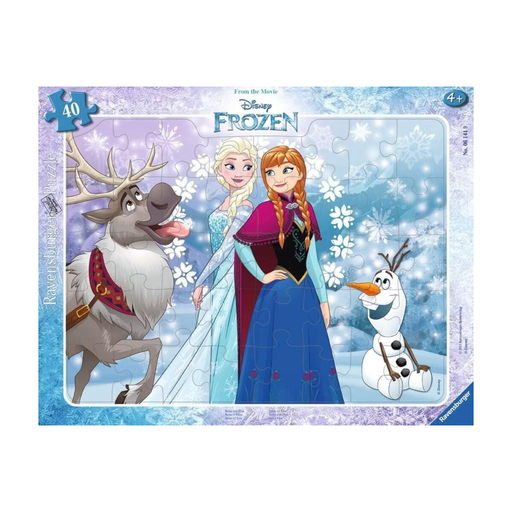
Why this product is a good fit: This Disney Frozen picture is designed for children aged 4 and over. Familiar characters can make it easier for them to get into jigsaw puzzles.
The familiar picture is combined with a frame and outlines. So the choice isn’t based solely on the characters shown.
40 pieces, a frame with backing board, an Anna and Elsa picture and a 37.3 × 28.8 cm format.
We’ve put together a complete, regularly updated list of products that meet these strict selection criteria and fully comply with the safety regulations in force in the EU.
Place the jigsaw on a flat surface with enough room to work. With younger children, an adult can sort the edge pieces first or talk about the picture together. With an animal jigsaw for children, you can also name the animals, colours and shapes. This helps you support your child’s language development during play, without suggesting that the jigsaw has a therapeutic purpose.
After playing, count the pieces and store them somewhere dry. If any pieces are missing or damaged, check the jigsaw before using it again.
Frame jigsaws with 12 to 24 pieces are often suitable for children aged 3 and over. Examples include a 15-piece Peppa Pig jigsaw or a 15-piece animal picture. The manufacturer’s recommendation, the size of the pieces and your child’s experience remain the key considerations.
Depending on their development, a children’s jigsaw for ages 4 and up may have around 24 to 48 pieces. A frame, outlines and an uncluttered picture can make it easier to get started. A 40-piece Frozen jigsaw or a 37-piece Paw Patrol frame jigsaw offers more of a challenge than a 15-piece model.
How long it lasts depends on the thickness of the card, how it’s stored and how it’s handled. Keeping it dry, removing the pieces carefully and sorting them after use can help keep the jigsaw complete for longer. If you have a set, store each picture separately to avoid losing pieces.