
Lieferung heute & morgen

Qualitätsgarantie

Willkommens-Angebote freischalten: KOSTENLOSE Lieferung | Bis zu 80 % RABATT | Kostenlose 30-Tage-JoyPlus-Testphase
App herunterladen
A children's jigsaw puzzle should suit the child's age, fine motor skills and attention span. In practice, however, choosing the right one is not always easy: packaging promotes educational benefits, appealing characters or particularly large numbers of pieces, while important details about materials, piece size and safety can easily be overlooked.
Parents, grandparents and nurseries should therefore not base their decision on the picture alone. Three common buying misconceptions can quickly lead to a puzzle being left unused:
A children's jigsaw puzzle from 1 year should consist of just a few easy-to-grip pieces. Peg puzzles with large wooden knobs or animal shapes make it easier to remove and insert the pieces. The following features are suitable for this age group, for example:
When choosing a wooden puzzle for babies, the age recommendation should be checked particularly carefully. Some products are intended only for children aged 12 months and over and contain parts that must not be put in the mouth. Before every use, parents should check whether any handles are loose, the wood is splintering or there is any damage.
A children's jigsaw puzzle from 2 years can gradually require more combinations. Sets with several small pictures and different numbers of pieces make it possible to adapt the challenge to the child's progress. Large cardboard pieces can also be suitable, provided they are sturdy and easy to handle.
A puzzle is particularly practical for everyday use when the child can independently match the picture using an image or baseboard. This supports the recognition of shapes and pictures without promising a specific learning outcome.
For a children's jigsaw puzzle from 3 years, around 12 to 15 pieces are often a manageable starting point. A frame puzzle for children provides a fixed boundary. Printed outline guides show where individual pieces can be placed. This is especially helpful for children who are new to jigsaws.
Important: Products with warnings about small parts that could be swallowed must not be given to children under 36 months. The age recommendation and safety warning should be checked before purchase and before passing the puzzle on to another child.
A children's jigsaw puzzle from 4 years can contain 24 to 40 pieces. Spot-the-difference games, additional picture details or familiar characters increase the variety of tasks without necessarily requiring more materials. Depending on their experience, children up to around 9 years old may also be ready for considerably larger sets.
A puzzle with 368 pieces and escape-room elements is stated in the product information as being suitable for children aged 9 and over. Such products are not comparable to a classic toddler's puzzle and require a longer period of focused play.
The number of pieces should match the child's previous experience. For beginners, large, robust pieces, a frame or a template are useful. For older children, smaller pieces, more complex pictures and additional tasks can increase the difficulty level.
Also check whether the puzzle includes a baseboard, outlines or a poster. These aids are particularly practical with a frame puzzle for children.
Wood, cardboard and plastic have different properties:
The CE marking indicates that the manufacturer declares the product to comply with the applicable EU requirements. However, it is not an independent quality seal and does not replace checking the manufacturer's information, warnings and workmanship.
An animal puzzle for children is ideal for conversations about animals, colours and shapes. Pictures from everyday life can make matching easier for younger children. When choosing a puzzle as a gift, the child's age, interests and previous experience with jigsaws are more important than eye-catching packaging.
For nurseries and childcare facilities, tidy storage, durable pieces and easy cleaning are also important. Damaged or incomplete puzzles should be removed from use.
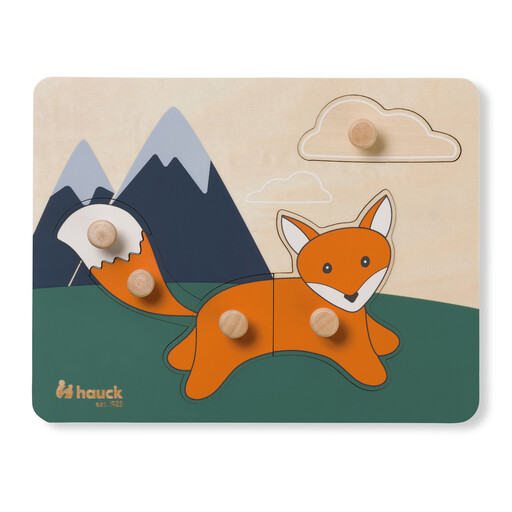
Why this product suits this profile: This wooden puzzle is stated as suitable for children aged 12 months and over. It has easy-to-grip wooden knobs and a compact size of 22 × 17 × 2 cm.
The clear animal shapes and limited number of peg pieces avoid an overly complex introduction to puzzles. The usage warning should still be observed.
Wooden construction, large handles and an animal picture; according to the product information, made in Germany.
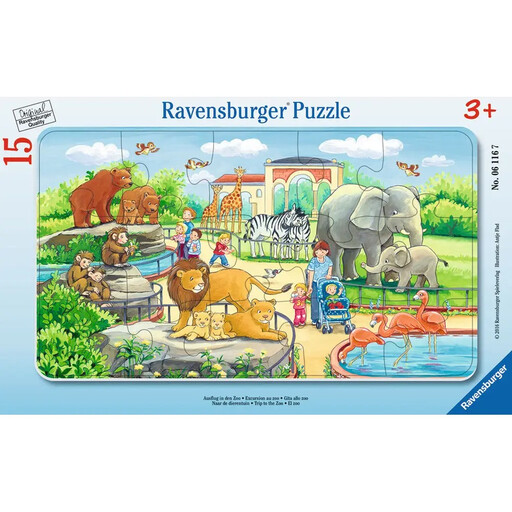
Why this product suits this profile: According to the product description, this frame puzzle is designed for children aged 3 and over and combines 15 pieces with a baseboard and outline guides.
The frame helps prevent the pieces from sliding around. The warning excludes use by children under 3 years.
15 cardboard pieces, a frame with outlines and a zoo picture; no batteries required.
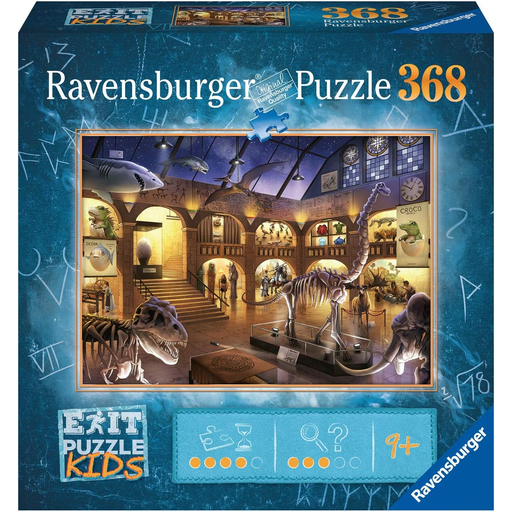
Why this product suits this profile: With 368 pieces, a solution envelope and instructions, the puzzle is stated as suitable for children aged 9 and over who want to tackle longer challenges.
The clear age recommendation prevents an extensive set from being bought as a puzzle for toddlers. The instructions support the themed structure of the challenge.
368 cardboard pieces, escape-room elements and a stated size of 70 × 50 cm.
We have put together a complete, regularly updated list of products that fully meet these strict selection criteria and the safety regulations applicable in the EU.
Puzzle pieces last longer when stored somewhere dry and clean. Cardboard should not come into contact with water; a dry cloth is usually sufficient. Depending on the manufacturer's instructions, wooden puzzles can be cleaned with a slightly damp cloth. Store the pieces in their original packaging or a sealable box and check them regularly for:
Simple peg or wooden puzzles with a few large pieces and easy-to-grip knobs are suitable. The manufacturer's specific age recommendation is decisive. Products with small parts require direct supervision.
For beginners, 12 to 15 pieces with a frame and outline guides may be suitable. Children with more experience may already be able to manage more complex pictures. Observe whether the child is making progress independently or regularly needs support.
A puzzle can make a suitable gift if its age recommendation, picture and difficulty level match the child. For a safe choice, the age recommendation, warnings, piece size and condition of the materials are more important than a prominent brand name.