
Lieferung heute & morgen

Qualitätsgarantie

Willkommens-Angebote freischalten: KOSTENLOSE Lieferung | Bis zu 80 % RABATT | Kostenlose 30-Tage-JoyPlus-Testphase
App herunterladen
A children's night light is meant to provide a sense of security, ease fears of the dark, and make nighttime navigation safer. However, the market is flooded with products whose practical drawbacks often only become apparent after purchase. As a Joybuy Product Recommendation Officer, I'm here to help you distinguish essential features from non-essential ones and make an informed decision. This guide will reveal the three most common pitfalls and what you should truly focus on.
Many products boast appealing designs, but the devil is in the details. Three issues in particular frequently lead to disappointment:
To avoid these pitfalls, you should check three core parameters. These will help you find a functional and safe soothing light.
A good baby night light or children's light should emit a warm colour temperature (around 2700 Kelvin), as this is perceived as calming and interferes less with the production of the sleep hormone melatonin. A crucial feature is dimmability. A dimmable night light can be adjusted to any situation: bright enough for nighttime nappy changes or as a nursing light, yet gentle enough to serve as a sleep aid for the baby without disrupting sleep.
The choice of power source depends on where it will be used:
For a baby's night light that is within a child's reach, soft, tactile materials like BPA-free silicone are an excellent choice. These are often washable and shatterproof. Ceramic or hard plastic models are better understood as decorative elements for an LED children's night light setup and should be placed out of the reach of small children. Pay attention to whether the manufacturer explicitly designates the product as a toy or declares it as a purely decorative item.
Here are a few recommendations tailored to different needs and the criteria mentioned above.

Why This Fits Their Persona: This night light is ideal for parents of newborns. It's portable, rechargeable, and provides enough light for nighttime nursing or nappy changes without waking the baby. The soft silicone is safe for a child to touch or grab.
It avoids the "glare trap" with 3 dimmable brightness levels and the "material trap" by using food-grade, BPA-free silicone.
Features a built-in 30-minute timer and simple touch controls. The 1200 mAh battery provides 8–10 hours of use, according to the manufacturer.

Why This Fits Their Persona: This plug-in light is designed for safe navigation in hallways, stairwells, or the bathroom. It only activates with motion in the dark, providing light when needed without being constantly on.
It avoids the "cost trap" with its very low 0.5W power consumption and automatic shut-off after 60 seconds of no motion.
Combines a motion sensor with a dusk-to-dawn sensor. The brightness is adjustable across 5 levels to adapt the light intensity to the room.
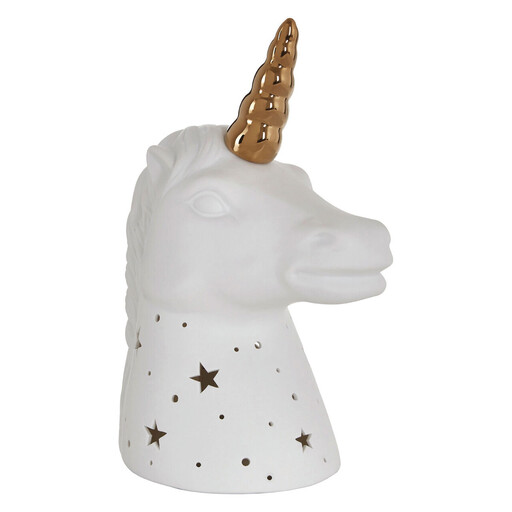
Why This Fits Their Persona: For parents seeking a stylish yet functional decorative piece for the nursery. This ceramic night light creates a magical light pattern on the wall through its perforated surface.
It clearly positions itself as a high-quality decorative object, not a toy. This avoids the "material trap," as it should be placed out of the reach of small children.
The porcelain material is durable and easy to clean. Its design produces a particularly soft, indirect light that creates a calming atmosphere.
We've compiled a complete, up-to-date list of products that fully meet these strict selection criteria and rigorous safety standards.
A baby's night light should be as dim as possible while still providing orientation. A warm, muted light source is ideal. The light should be just bright enough to make out the room's contours, but not so bright that it's glaring to look at or casts distinct shadows.
Yes, rechargeable night lights are safe when used correctly. Look for products with CE marking, which confirms compliance with EU safety standards. Models made from a single mould with no small, swallowable parts and a protected charging port offer additional safety. Do not leave a child unsupervised with the light while it is charging.
A soothing light is typically designed for continuous use in the bedroom. It provides a very gentle, constant light throughout the night to give a child a sense of security. An orientation light, on the other hand, is for short-term illumination of pathways, such as in a hallway or bathroom. It is often brighter and usually controlled by a motion or dusk-to-dawn sensor to light up only when needed.