
Lieferung heute & morgen

Qualitätsgarantie

Willkommens-Angebote freischalten: KOSTENLOSE Lieferung | Bis zu 80 % RABATT | Kostenlose 30-Tage-JoyPlus-Testphase
App herunterladen
A children’s night light should provide orientation at night without unnecessarily illuminating the room too brightly. At the same time, parents expect simple operation, a reasonable battery life and materials suited to the intended location. However, there are clear differences between decorative lamps, plug-in night lights and multifunctional projection lights.
High brightness is not automatically an advantage. For night-time care or finding your way to the bathroom, subtle lighting is often sufficient. Very bright, cool white light can be more disruptive in a bedroom than a warm white night light. So pay attention to the colour temperature, light output and whether the light can be dimmed.
A night light with a motion sensor needs an unobstructed view of the detection area. Furniture, curtains or an unsuitable mounting height can affect its performance. A night light with a dusk sensor, on the other hand, responds to the ambient brightness and may remain active even when nobody enters the room.
It is also important to understand the difference between the two types of sensor: a motion sensor usually switches on only when activity is detected, while a dusk sensor automatically activates the light when it gets dark.
Not every decorative lamp is suitable for babies or toddlers. Glass surfaces, mains operation, small controls or heat generation can be problematic depending on where the lamp is placed. According to its product description, for example, the Pheashine plasma ball lamp is not intended for children under nine and has a glass surface that may become warm during operation. It is therefore not the obvious choice for a baby night light.
Warm white shades in the region of around 2700 to 3000 Kelvin are often chosen for bedrooms. Compared with cooler light, they feel less overpowering. Models with several brightness levels or stepless dimming can be adapted more flexibly to the situation.
A dimmable night light is particularly practical if it is to be used both when settling your child to sleep and during night-time care. For the hallway, however, a slightly brighter orientation light may be useful.
A plug-in night light is ready to use straight away and needs neither a battery nor a charging cable. However, it remains tied to one fixed location. A rechargeable night light can be moved from the child’s room to the hallway or changing table. When choosing one, check:
A portable bedside lamp should also stand securely and must not be placed within reach of water or excessive heat.
A motion detector can be useful in hallways, on stairs and in bathrooms. A dusk sensor is suitable for providing subtle, continuous illumination in the dark. For music and projection functions, parents should look for volume control, a timer and ease of operation. These additional functions are not necessary for every use and often make the product more complex.
For mains-operated models, specifications such as 220–240 volts, IP20 for dry indoor areas and cleaning instructions are relevant. Electrical products should not be covered, immersed in water or left connected to the mains during cleaning.

Why this product suits the profile: The set includes two plug-in night lights with dusk sensors, making them suitable for children’s rooms, hallways or stairs.
Three brightness levels and warm white light at 2700 Kelvin help prevent rigid, overly bright illumination.
Two units, automatic activation in the dark and power consumption of 0.5 W according to the product details.
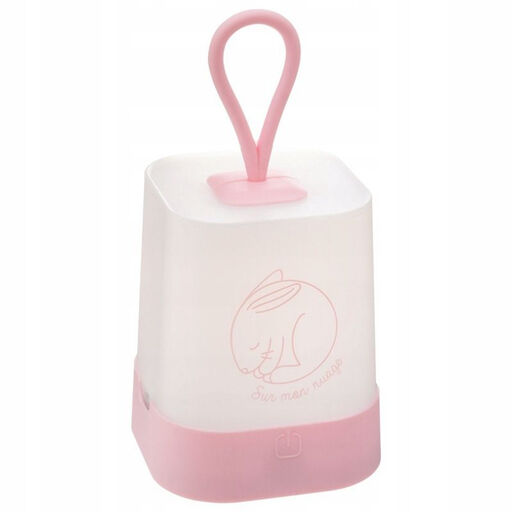
Why this product suits the profile: Its compact, portable design is ideal for parents who want to use the light flexibly in the bedroom, hallway or during night-time care.
The integrated lithium battery and USB cable reduce reliance on a socket at the place of use.
Dimensions of 8 × 8 × 9.8 cm, a weight of 0.21 kg and a combination of polystyrene and soft silicone, according to the product description.
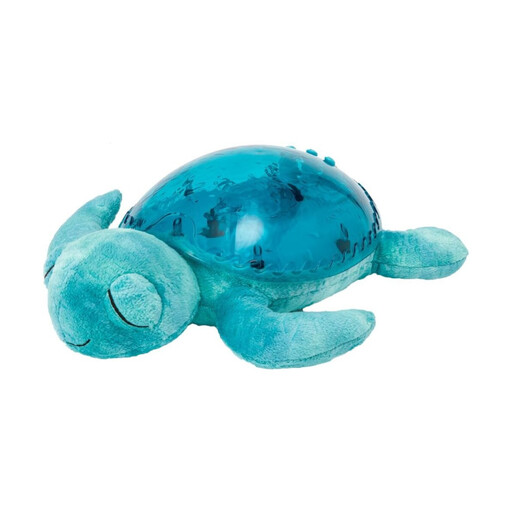
Why this product suits the profile: For families looking for a night light with music and projection, a timer and rechargeable power.
Automatic shut-off after 23 minutes limits the operating time, while the volume and functions remain individually adjustable.
Underwater projection, four sound options, adjustable brightness, USB-C charging and a cry sensor according to the manufacturer’s specifications.
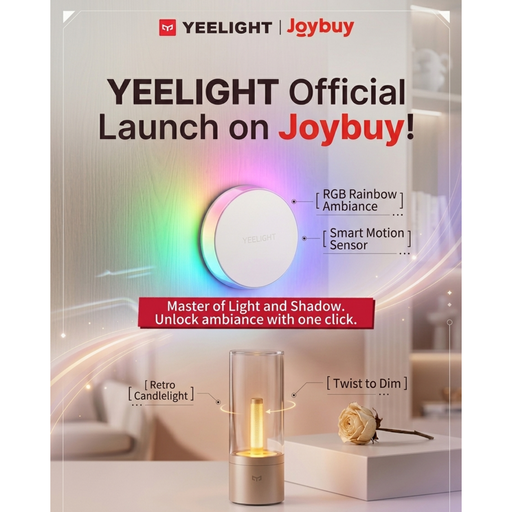
Why this product suits the profile: This model is suitable for users who want to illuminate living rooms, bedrooms or play areas with colourful lighting effects as well as their child’s room.
The motion sensor, USB-C charging and magnetic mounting address fixed installation locations and unnecessary continuous illumination.
Eleven preset effects, RGB light, motion sensor, magnetic mounting and a USB-C battery according to the product name.
We have put together a complete, regularly updated list of products that fully meet these strict selection criteria and the safety regulations applicable in the EU.
Warm white light between around 2700 and 3000 Kelvin is often chosen for bedrooms. However, the colour temperature is not the only important factor: low brightness or a dimming function is also beneficial. For hallways and stairs, a more neutral or brighter orientation light may be sufficient.
Battery life depends on the brightness level, light colour and additional functions. Product specifications may state, for example, up to six hours for certain models at maximum brightness. A timer can extend the actual usage time per night. Also check whether a USB-C cable is included.
A motion sensor can limit the time the light is on because it switches on only when activity is detected. A dusk sensor, on the other hand, activates the light depending on the brightness of the room. Actual power consumption, shut-off time and frequency of use determine energy consumption. Technical details such as 0.5 W, 1 W or an automatic shut-off period make comparisons easier.