
Lieferung heute & morgen

Qualitätsgarantie

Willkommens-Angebote freischalten: KOSTENLOSE Lieferung | Bis zu 80 % RABATT | Kostenlose 30-Tage-JoyPlus-Testphase
App herunterladen
A good play mat creates a safe and stimulating space for children to crawl, play, and discover the world. However, the market is crowded, and not every product lives up to its promises. Before making a decision, it's crucial to understand the common pitfalls that can lead to disappointment and unnecessary expense.
As your Joybuy Product Recommendation Officer, I have analysed the essential features to help you make an informed choice. This guide focuses on objective criteria and highlights what you should look for.
Many products entice with colourful designs, but the true marks of quality are in the details. Pay attention to these three points to avoid a poor purchase:
To find the right play mat for your child, you should focus on verifiable facts. The following three criteria are crucial for safety, durability, and fun.
The material is the foundation of any play mat. It determines not only the feel and durability but, most importantly, its safety.
The physical properties of the mat are essential for safety during those first crawls and steps.
The ideal play mat adapts to the child's developmental stage.
Based on the criteria above, we have identified several products suited for different needs and age groups.
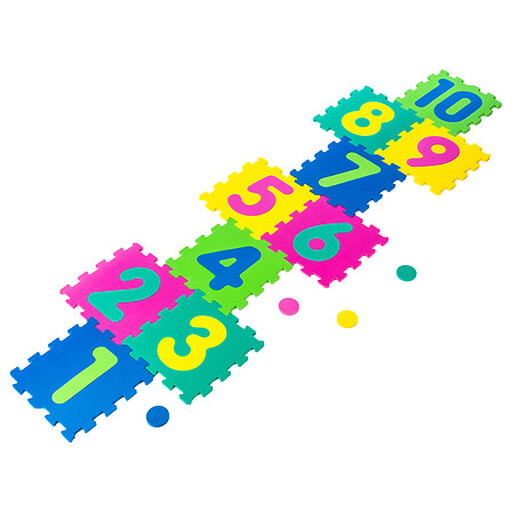
Why This Fits Their Persona: Ideal for parents of babies aged 10 months and up who are looking for a safe, cushioned, and expandable play area. The mat grows with the child—from a crawling surface to an interactive play mat.
The mat is made of EVA foam, an established material for toys. The 1 cm thickness provides reliable cushioning, avoiding the pitfall of a mat that is too thin and unsafe.
3-in-1 functionality (puzzle, mat, hopscotch game) ensures long-lasting play value. The modular design allows for flexible adaptation to any room.

Why This Fits Their Persona: Perfect for toddlers from 2 years old who are beginning to develop role-playing skills. The mat provides a large, themed surface for adventures with toy cars and figures.
Instead of relying on overwhelming electronic effects, this mat fosters creativity with its classic motifs (streets, farm). The durable polyester material is more long-lasting than thin fleece or PVC mats.
Reversible design with two different play worlds offers double the utility. The generous 100 x 190 cm surface provides space for multiple children or for playing together with parents.
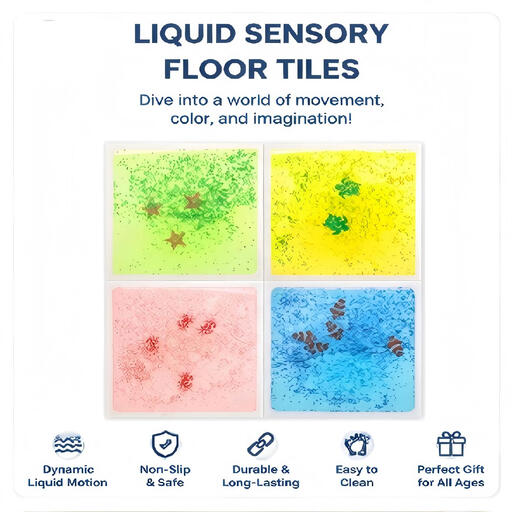
Why This Fits Their Persona: For parents and institutions seeking targeted sensory development. These tiles react to pressure and movement, creating a fascinating visual and tactile experience.
This is a specialised sensory play mat that clearly fulfils its function rather than just advertising with bright colours. The non-slip backing directly addresses the safety risk of sliding mats.
The dynamic liquid movement encourages sensory exploration and movement. The tiles are robust, easy to clean, and require no installation.
We have compiled a complete, up-to-date list of products that fully meet these strict selection criteria and rigorous safety standards.
The cleaning method depends on the material. EVA foam mats and polyester play rugs can usually be wiped clean with a damp cloth and mild soap. Avoid harsh cleaning agents, as they can damage the material or leave behind residue. Allow the mat to air-dry completely before using it again. Always follow the manufacturer's specific care instructions.
A simple crawling mat is useful from the very first months of life, providing a clean, soft surface for your baby to lie on for tummy time and later attempt their first rolls and crawls. Themed and interactive mats, such as a play mat with roads or a music mat, are typically suitable for children from around 18 months into their preschool years.
A foam puzzle mat consists of individual, interlocking pieces. Its main advantages are its modularity and excellent cushioning, making it ideal as a safe crawling surface. A play rug, on the other hand, is usually a single-piece mat made of fabric (e.g., polyester) with a printed design. It is often thinner but provides a continuous, themed play area that stimulates the imagination.