
Lieferung heute & morgen

Qualitätsgarantie

Willkommens-Angebote freischalten: KOSTENLOSE Lieferung | Bis zu 80 % RABATT | Kostenlose 30-Tage-JoyPlus-Testphase
App herunterladen
The range of children’s products for play, learning and everyday life stretches from screen-free educational toys to connected devices, electric toothbrushes and remote-controlled vehicles. For parents, price isn’t the only factor that matters. Age recommendations, safety information, spare parts, charging requirements and the real-world usefulness in family life all determine whether a product is a good long-term fit.
Labels like “educational”, “interactive” or “smart” don’t tell you much on their own. What’s far more useful is concrete information:
A science kit for children, for example, can offer great learning value, but it may need batteries and adult supervision. An electronic toy might have lots of features, but it becomes impractical if it needs frequent charging or only works on certain floor surfaces.
The age marking isn’t a minor detail. A product labelled for ages 6 or 8 may be unsuitable for younger children because of small parts, moving wheels, batteries or the fine motor skills required. Even with products marked for ages 3 and up, supervision is still a good idea, especially with electronic devices.
With an electric children’s toothbrush, brush heads and charging accessories are part of long-term use. With a children’s smartwatch that has GPS, you may need a SIM card, mobile data plan and app. For RC vehicles, charging times, battery life and suitable play surfaces are all important considerations.
Look for the mandatory age recommendation, warning notices and details about small parts. For children’s toys, you should be able to find information about the CE marking and, depending on the product, relevant references to the toy safety standard EN 71. The marking shouldn’t be the sole reason to buy; it should be considered alongside a clear instruction manual and manufacturer details.
With science kits, also check for functional tips, glass components, chemicals and battery compartments. The Kosmos microscope, for instance, is recommended for ages 8 and up and includes slides, covers, a pipette and tweezers. The 2 AA batteries mentioned in the product description are not included.
Compare the following:
With RC cars for children, range isn’t the only factor. A 2.4 GHz system can be handy if you’re using several vehicles in the same area. But what really matters is the surface type, tyre design, charging time and the stability of the remote control.
Screen-free learning toys can be a good option for families who want to limit digital content. The Alilo learning system for children aged 3 to 5 uses double-sided learning cards and an interactive pen. According to the product details, it includes more than 180 words and over 180 logic games; the device is charged via USB-C.
With a children’s smartwatch that has GPS, parents should check before buying which location services, mobile networks and permissions are needed. The imoo Z1 supports GPS, BeiDou, GLONASS, Galileo and QZSS, as well as 4G connections, according to the product information. For phone functions, you’ll need a SIM card and VoLTE service. Also review the data protection information, app permissions and how location data is handled.
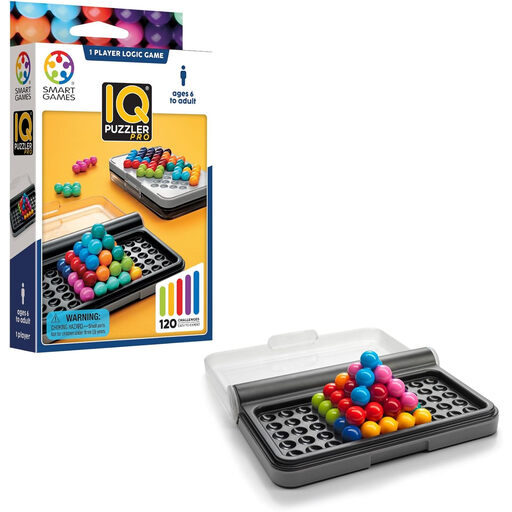
Why this product fits the profile: This compact single-player game is suitable for children aged 6 and up and doesn’t need batteries. You can use it at home or when travelling.
There are no charging or battery costs. The age recommendation, single-player format and 120 challenges are clearly stated.
120 challenges in 2D and 3D formats, compact design and no batteries required.
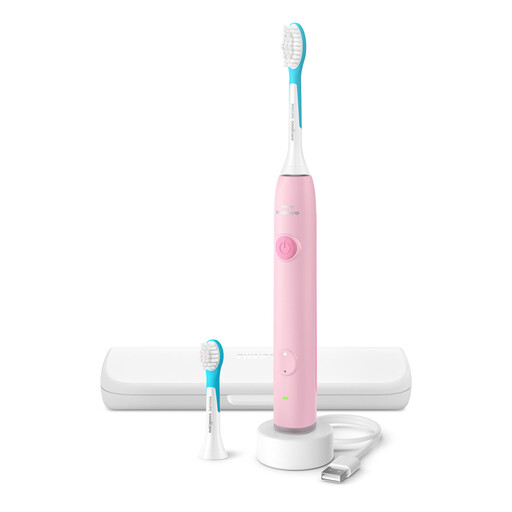
Why this product fits the profile: This electric children’s toothbrush is designed for children aged 3 and up, according to the product details, and offers two modes, timer functions and Bluetooth app connectivity.
The product details mention a battery life of up to 21 days, two brush heads and a travel case. Brush heads should be replaced regularly.
31,000 brush movements per minute according to the product details, two gentle cleaning programmes and a 2-minute timer.
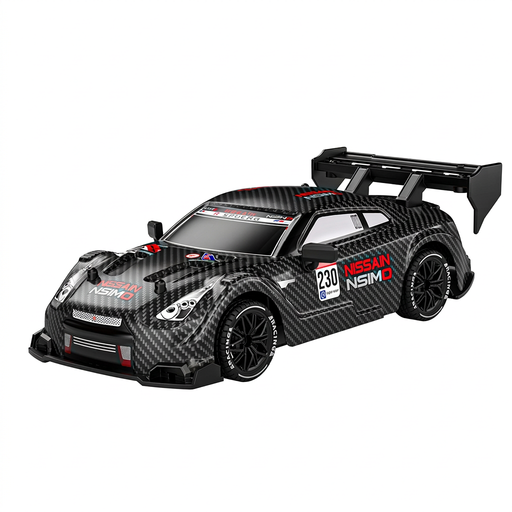
Why this product fits the profile: This remote-controlled drift car is aimed at children and teenagers aged 8 and up, according to the product details. It’s designed for smooth indoor and outdoor surfaces.
Two sets of tyres let you switch between drift and drive modes. The stated battery life of around 20 to 40 minutes makes the charging needs easy to plan for.
Four-wheel drive, proportional 2.4 GHz control, shock-absorbing chassis and USB charging according to the product description.
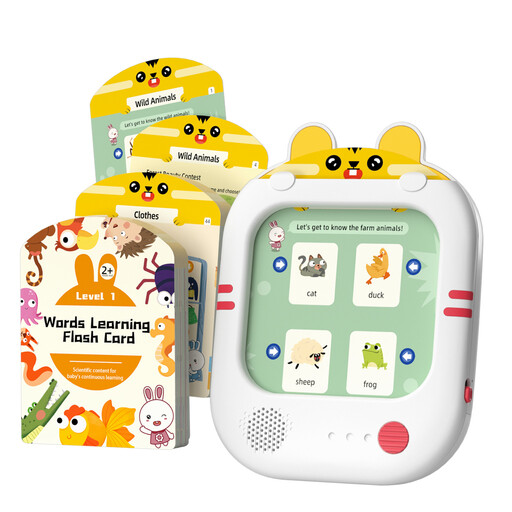
Why this product fits the profile: This learning system uses cards and audio output instead of a traditional screen. It’s suitable for early language and logic tasks at home or on the go.
No app account is needed. The age recommendation of 3 years and up, along with the note about small parts, helps with safe classification.
47 double-sided cards, more than 180 words and over 180 logic games according to the product details, plus up to 6 hours of battery life.
We’ve put together a full, regularly updated list of products that fully meet these strict selection criteria and the safety regulations in force across the EU.
Products with a clear age label, larger individual parts and easy-to-understand tasks are a good choice. A learning system with cards and audio can be an option for children aged 3 to 5. Small parts, batteries and electronic components should be kept out of reach of younger siblings.
How long they last depends on the battery, charging habits, materials and care. With a toothbrush or a toy robot, charging ports should be kept dry. Batteries must not be opened or replaced unless this is explicitly allowed. The actual run time per charge depends on usage, so manufacturer figures should be treated as a guide.
On top of the purchase price, you may need to factor in batteries, chargers, replacement brush heads, consumables or mobile data costs. With a children’s smartwatch that has GPS, the SIM card and tariff are especially important to consider. With gift ideas for children that don’t involve electronics, such as a logic game, there are usually no ongoing energy costs.