
Lieferung heute & morgen

Qualitätsgarantie

Willkommens-Angebote freischalten: KOSTENLOSE Lieferung | Bis zu 80 % RABATT | Kostenlose 30-Tage-JoyPlus-Testphase
App herunterladen
A good children's puzzle is more than just a pastime. It's a tool that fosters concentration, fine motor skills, and logical thinking. However, the market is overwhelming, and not every product delivers on its promise. Many parents and grandparents invest in puzzles that are quickly abandoned, either because they cause frustration or boredom. This guide will show you what to look for to avoid making the wrong choice and find the perfect gift for children.
Before we dive into the important features, let's look at the typical pitfalls that often lead to a poor purchasing decision.
To find the right puzzle, you should focus on three objective criteria that go beyond pure entertainment.
The complexity of a puzzle is not determined by the number of pieces alone. Pay attention to the following aspects:
The quality of the material is crucial for the tactile feel and durability.
Besides the classic jigsaw, there is a variety of innovative concepts that target different skills.
Here are some recommendations tailored to different needs and age groups.
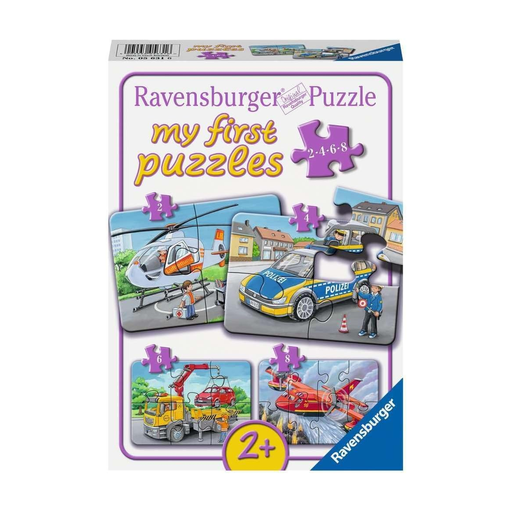
Why This Fits Their Persona: Ideal for toddlers getting their first puzzle experience. The set grows with the child, and the vehicle theme is a big hit with many kids this age.
The four puzzles with 2, 4, 6, and 8 pieces offer a clear, progressive difficulty curve, avoiding the trap of an inappropriate age rating. The thick cardboard is robust and made for little hands.
Four puzzles in one box support development step-by-step. The pieces are large and sturdy, which makes them easy to handle and prevents frustration.
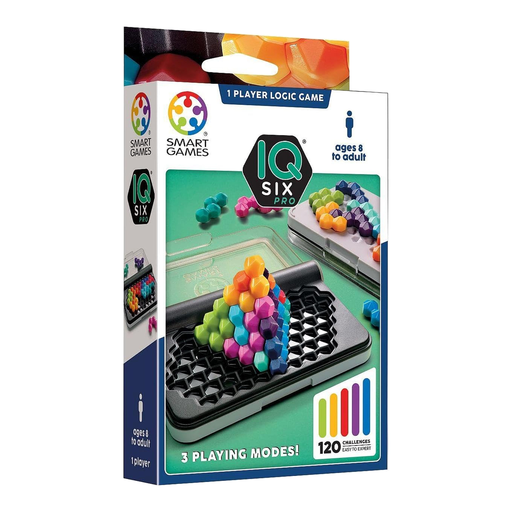
Why This Fits Their Persona: Perfect for children seeking a challenge beyond classic jigsaws. Its compact design makes it an ideal travel companion for making good use of waiting times.
With 120 challenges, this logic game provides long-lasting motivation and avoids the pitfall of an uninteresting design. It's not a one-time product but a reusable training tool for the brain.
Promotes logical thinking and spatial reasoning. Three different game modes (2D, 3D pyramid) provide variety. The durable plastic material is built to last.
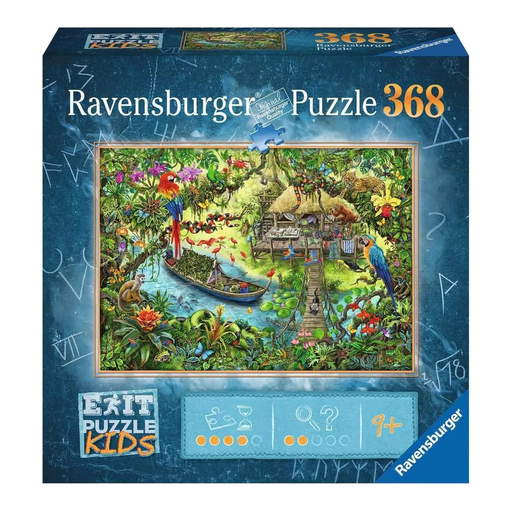
Why This Fits Their Persona: For older children looking for a new kind of challenge. The combination of puzzling and solving a mysterious story offers a captivating experience that goes beyond simply fitting pieces together.
This concept counteracts boredom in experienced puzzlers. The added layer of riddle-solving ensures high motivation, turning the puzzle into an exciting adventure rather than a mere chore.
Combines two popular activities: puzzling and escape games. It fosters concentration and problem-solving skills in an innovative way. The finished puzzle is part of the solution.
We have compiled a complete, real-time list of products that fully satisfy these strict selection criteria and UK safety regulations.
Simple wooden peg puzzles with large knobs can be a meaningful activity for children as young as 18 months. Classic puzzles for ages 2+ with 2 to 15 large pieces are a great introduction to the world of jigsaws. However, the child's individual developmental stage regarding fine motor skills and patience is more important than their age.
The following can serve as a rough guide:
Observe your child: If they solve a puzzle very quickly and without help, it's time for a higher piece count. If they need a lot of support and get frustrated easily, a puzzle with fewer pieces or a simpler image might be a better choice.
A classic puzzle is a game of patience where the goal is to reconstruct a predetermined two-dimensional image from many individual pieces. The focus is on visual perception, shape recognition, and fine motor skills. Logic games for kids, like those from Smart Games, are logic challenges. Here, pieces must be arranged according to specific rules to solve one of many possible challenges. They primarily promote logical thinking, problem-solving skills, and spatial reasoning.