
Lieferung heute & morgen

Qualitätsgarantie

Willkommens-Angebote freischalten: KOSTENLOSE Lieferung | Bis zu 80 % RABATT | Kostenlose 30-Tage-JoyPlus-Testphase
App herunterladen
A suitable ride-on vehicle should match your child’s age and height, as well as where they’ll use it. But choosing between a children’s balance bike, a pedal-free bike and an electric quad can often lead to the wrong purchase. Not every eye-catching feature is useful in everyday life, and some important details are only found in the small print.
‘From 2 years’ or ‘for ages 3 to 6’ are only guidelines. What matters is whether your child can reach the ground securely with both feet and bring the vehicle to a controlled stop. A balance bike that’s too big makes it harder to practise balancing, while one that’s too small can quickly become uncomfortable.
A balance bike with puncture-proof tyres or airless tyres doesn’t need regular tyre-pressure checks. Even so, parents should regularly check the tyre tread, axles, handlebars and seat for wear. A stand is only useful, too, if it folds out securely and lets you park the bike safely on the intended surface.
A children’s ride-on vehicle with LED lights and music can make using it more fun, but it’s no substitute for supervision or protective equipment. Nor does lighting automatically provide everything needed for road use. Electric vehicles such as a 12V electric quad for children should generally be used on suitable private land, not on public roads, unless they are approved for road use.
For a balance bike from age 2, the lowest seat position should suit your child. They’re sitting at the right height when both feet rest flat on the ground and their knees remain slightly bent. A balance bike from age 3 may benefit from a wider adjustment range, so your child can use it for longer.
A balance bike with an adjustable seat can be adapted more easily as your child grows. The handlebars shouldn’t be set too high or too low. An upright, controlled posture makes it easier for your child to push off and brake.
A lightweight balance bike is easier for children to lift, turn and control. But weight shouldn’t be considered in isolation: frame strength, seat attachment and handlebar grips matter, too.
Airless or ‘flat-free’ tyres mean there’s no need to pump them up and help avoid traditional punctures. However, depending on the material and tread, they can still affect comfort and grip differently. If your child will be riding in the garden, on pavements or in the park, check that the tyres are suitable for the surfaces they’ll use most.
Before buying, parents and grandparents should check the following:
The CE marking is a manufacturer’s declaration that a product meets certain EU requirements; it isn’t a general quality mark. Different standards and regulations may apply to toys and children’s ride-on vehicles, depending on the product. Clear instructions, complete manufacturer details and a verifiable importer’s address are therefore important factors when choosing a product.
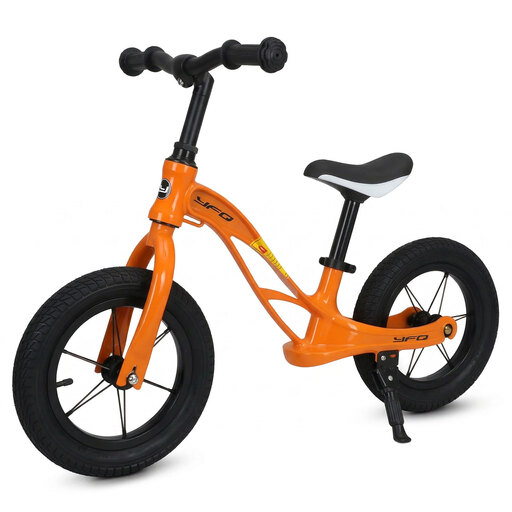
Why this product suits this type of buyer: According to the product name, this pedal-free training bike is designed for children aged 3 to 6 and combines an adjustable seat with a stand.
The adjustable seat reduces the risk of buying a fixed-height model that your child will quickly outgrow. The airless tyres mean there’s no need to pump them up regularly.
No pedals, adjustable seat, airless tyres and a kickstand, according to the product description.

Why this product suits this type of buyer: The stated 12-inch size, adjustable soft seat and adjustable handlebars make it easier to tailor the bike to children of different heights.
Before buying, you can compare the seat and handlebar heights with your child’s measurements. That way, the general age recommendation won’t be the only factor in your decision.
12-inch design, soft seat, adjustable handlebars, airless tyres and easy assembly, according to the product name.
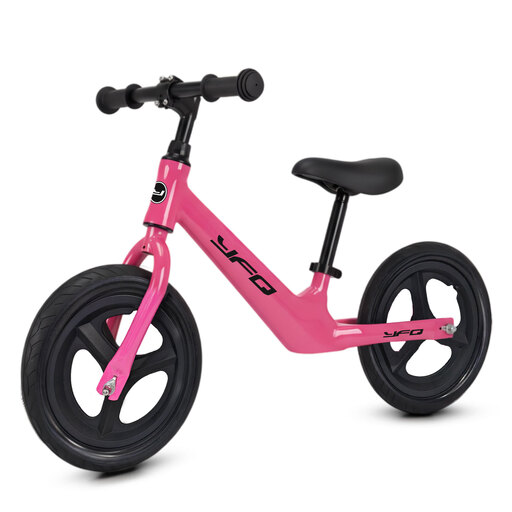
Why this product suits this type of buyer: This balance bike is designed to give children their first riding experience without pedals. It comes in pink and has an adjustable seat.
The adjustable seat and pedal-free design keep the focus on the essential features for learning, rather than putting unnecessary extras centre stage.
Lightweight pedal-free design, adjustable seat, airless tyres and a kickstand, according to the product information.
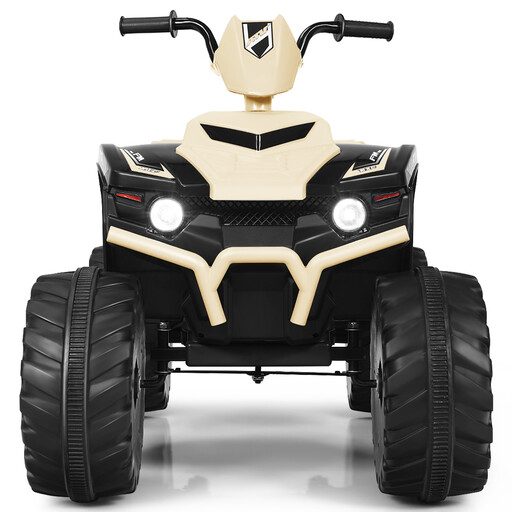
Why this product suits this type of buyer: This electric quad is aimed at families looking for a battery-powered vehicle to use on suitable private outdoor areas, with music and LED lighting as added features.
Before buying, check the dimensions of 104 × 67 × 74 cm against your storage space, doorways and transport options. Refer to the relevant instructions for charging time, ride time and charging guidance.
12-volt battery operation, comfortable seat, music and LED lights, according to the product name.
We’ve put together a complete, regularly updated list of products that meet these strict selection criteria and fully comply with the safety regulations in force in the EU.
With a balance bike, everyday costs are mainly for protective equipment and, where needed, replacement parts. Airless tyres reduce maintenance, but they don’t make the bike completely wear-free. Check the screws and other fastenings after assembly and then at regular intervals.
An electric quad also brings electricity costs, battery wear and potential replacement parts. Only charge the battery with the supplied charger, and store it according to the manufacturer’s instructions. Before each use, check the charge level, cables, wheels, seat attachment and controls. Children should only use the vehicle under direct supervision and with suitable protective equipment.
A balance bike may be suitable from age 2 if the seat height, your child’s height and their motor skills are a good match. They should be able to reach the ground with both feet. Don’t base your decision on the age recommendation alone.
That depends on the seat-height range, your child’s height and the maximum user weight. A balance bike with an adjustable seat may fit for longer than a fixed-height model. Before each use, check the handlebars, seat, wheels and frame for damage.
In addition to the purchase price, charging involves a small amount of electricity. Battery wear, the charger and replacement parts may have a greater impact on costs. The actual amount depends on how often the battery is charged, how long the quad is used and the manufacturer’s information.