
Lieferung heute & morgen

Qualitätsgarantie

Willkommens-Angebote freischalten: KOSTENLOSE Lieferung | Bis zu 80 % RABATT | Kostenlose 30-Tage-JoyPlus-Testphase
App herunterladen
Choosing the right children's shoes can be a challenge. The market is flooded with tempting designs and marketing promises, but not every shoe that looks good also supports the healthy development of children's feet. As a Joybuy Product Recommendation Officer, I see the daily pitfalls that lead to ill-fitting footwear and unnecessary expenses. This guide will help you make informed decisions.
Before we turn to the important features, let's look at the three most common mistakes that cost parents time and money.
To avoid these traps, focus on three objective core parameters. These criteria will help you evaluate a shoe's quality, regardless of advertising claims.
The right fit is the most critical factor. It's best to measure your child's feet in the afternoon or evening, as they tend to swell slightly throughout the day. Have your child stand on a piece of paper and trace the outline of both feet. Measure the length from the longest toe to the heel. You should add about 12 to 15 millimetres to the measured value to ensure the necessary room for growth and the foot's rolling motion. This thumb's width of space is a reliable indicator. Also, pay attention to the shoe's width to ensure the foot is not constricted.
Comfortable casual shoes for kids are distinguished by their functional materials. Breathable upper materials like textile fabrics or high-quality synthetic leather ensure a good foot climate. The sole should combine two properties: it must be flexible enough to allow the natural rolling motion of the foot, and at the same time, it must offer a non-slip tread for a secure grip on various surfaces. A simple test: try to bend the shoe in the middle. If it flexes easily, the flexibility is generally sufficient.
The fastening system should match the child's age and level of independence.
Here are some models that are suitable for specific requirement profiles based on objective features.
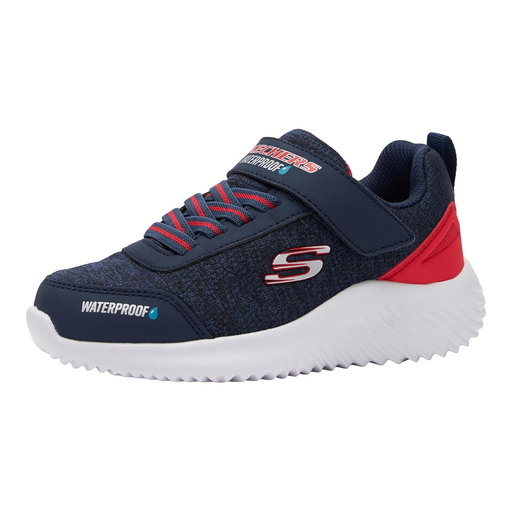
Why This Fits Their Persona: This model is designed for kids who run and play a lot. The combination of stretch laces and a hook-and-loop strap makes them easy to put on and ensures a secure fit.
The shoe combines a sporty design with functional features like a cushioned sole and breathable upper, rather than focusing solely on looks.
Lightweight textile material for breathability; flexible and cushioning outsole for high comfort.

Why This Fits Their Persona: This girls' sneaker fulfils the desire for an eye-catching shoe with a light-up function without compromising on quality. The Skechers brand is known for its comfortable fits.
It avoids the design trap by integrating the popular light-up feature into a solid shoe construction with a cushioned insole and a practical hook-and-loop fastener.
Glitter mesh and synthetic upper; light-up function in the midsole; hook-and-loop fastener for easy on and off.
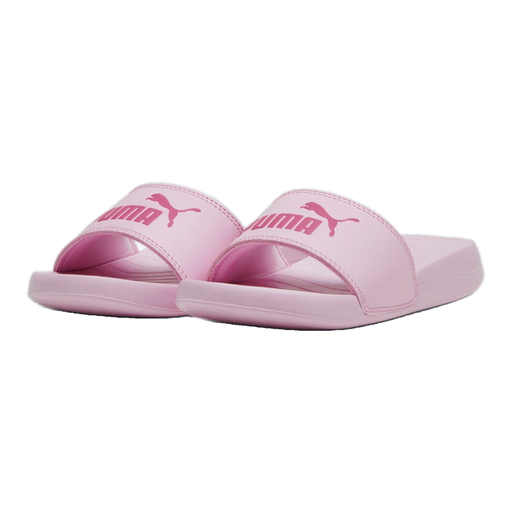
Why This Fits Their Persona: For parents looking for a practical and durable solution for summer, the swimming pool, or as a slipper. These Puma pool slides are straightforward and functional.
This model focuses on its core benefit: it is water-resistant, easy to clean, and quick-drying. It avoids the trap of trying to be an all-purpose shoe.
Padded synthetic leather strap for comfort; injected EVA outsole for cushioning and low weight.
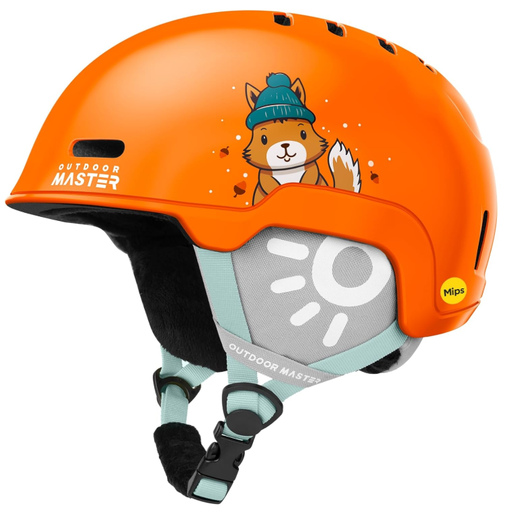
Why This Fits Their Persona: For parents who refuse to compromise on safety when it comes to winter sports gear. This kids' MIPS ski helmet offers an additional protective feature.
Instead of just focusing on colour and shape, the focus here is on the verifiable MIPS safety system, which is designed to reduce rotational forces during an impact.
Equipped with the MIPS system; adjustable fit system for a secure hold; 12 vents for temperature regulation.
We have compiled a complete, up-to-date list of products that fully meet these strict selection criteria and German safety regulations.
For children aged one to three, it is recommended to measure their feet every six to eight weeks. For children aged three to six, checking every three to four months is usually sufficient. From primary school age onwards, checking the fit every four to six months is typically enough.
Light-up shoes for kids can be a good choice if they meet the basic requirements for fit, material, and flexibility. Models from established brands like Skechers kids' shoes often integrate the light elements into a well-constructed sole without compromising functionality. Make sure the electronics are well-encapsulated and that the shoe would be comfortable and supportive even without the light-up feature.
MIPS stands for "Multi-directional Impact Protection System." It is a low-friction layer inside the helmet. According to the manufacturer, MIPS, this system is designed to allow a slight sliding movement of the helmet relative to the head during an angled impact. This is intended to help reduce the rotational forces that can act on the brain. A kids' MIPS ski helmet thus offers an additional safety component targeted at specific types of impacts.