
Lieferung heute & morgen

Qualitätsgarantie

Willkommens-Angebote freischalten: KOSTENLOSE Lieferung | Bis zu 80 % RABATT | Kostenlose 30-Tage-JoyPlus-Testphase
App herunterladen
Choosing the right children's shoes can be a challenge. The market is flooded with tempting designs and marketing promises, but not every shoe that looks good also supports the healthy development of a child's feet. As your Joybuy Product Recommendation Officer, I'll help you identify the crucial criteria and avoid common purchasing pitfalls.
Many parents invest in shoes that fall apart after a few weeks or cause their child discomfort. This is often due to three common misconceptions:
To avoid a bad buy, you should check three core technical parameters before making a decision. These features determine comfort, durability, and support for healthy foot development.
A crucial but often overlooked criterion is the flexibility of the sole. Children's feet need freedom of movement to strengthen their muscles and develop a natural gait.
The upper material directly affects the foot's climate and the shoe's longevity.
The closure must be appropriate for the child's age and level of independence.
Here are a few models that represent a considered choice for specific use cases, based on objective features.
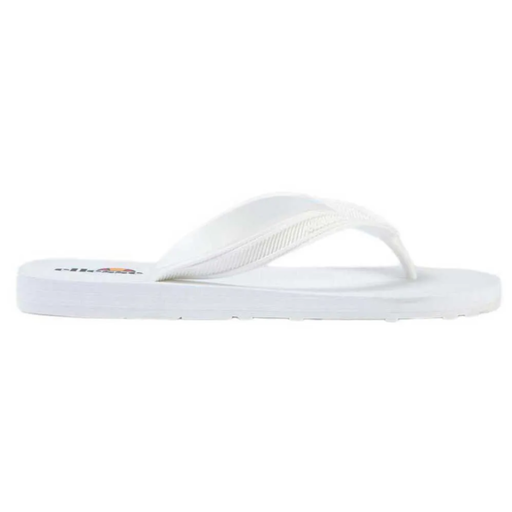
Why It's a Great Fit: This classic white sneaker is an all-rounder for school, the playground, and leisure. The design is timeless and versatile, while the robust construction withstands the demands of daily life.
The model focuses on a functional, proven design rather than short-lived gimmicks. According to the manufacturer, the synthetic upper is designed for durability and easy cleaning, thus avoiding the trap of cheap, non-functional materials.
The lacing allows for a precise fit and provides secure support, which is especially important for active children.
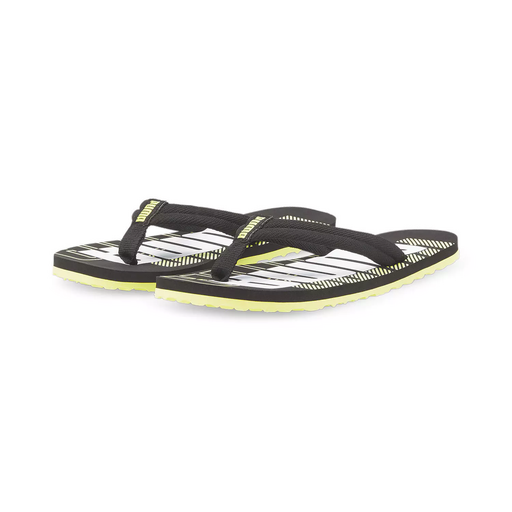
Why It's a Great Fit: These sandals are designed for summer. They are lightweight, water-resistant, and offer safety and comfort for playing by the water or in the garden, thanks to the molded footbed and non-slip sole.
Instead of just focusing on a fashionable look, the emphasis here is on functional details. The non-slip sole texture and cushioning CMEVA material are objective features that go beyond mere aesthetics.
The soft, pre-molded EVA footbed and woven textile straps ensure a secure and comfortable fit without pressure points, even during extended wear.

Why It's a Great Fit: This shoe combines the light-up effect popular with kids with the proven fit and comfort of a sporty sneaker. It's a great option for parents who want to satisfy their child's desire for a "fun shoe" without compromising on quality.
Unlike no-name light-up shoes, this model comes from a brand known for its comfort-focused sole designs. The light-up feature is an added bonus here, not the sole selling point.
The combination of elastic laces and an additional hook-and-loop strap (an "adaptive closure" according to the manufacturer) ensures they are easy to put on while providing a secure fit.
We have compiled a complete, up-to-date list of products that fully meet these strict selection criteria and German safety regulations.
Children's feet grow in spurts. For toddlers (up to 3 years), checking every two to three months is advisable. For older children, checking the fit every four to six months is usually sufficient. A simple test is to place your thumb sideways in front of the longest toe—this space (about 12-15 mm) should be available in the shoe.
Not necessarily. The problem with many cheap light-up models is that the integrated electronics and batteries often make the sole stiffer and heavier. If you opt for Skechers light-up shoes or models from other established brands, it's more likely that the fundamental shoe construction (flexibility, cushioning, fit) won't suffer because of the gimmick.
The "thumb's width" is a rule of thumb to ensure the shoe has enough room for growth and the foot's natural rolling motion. This free space, which should be about 12 to 17 millimeters, is called growth and push-off room. It is necessary because the foot slides forward and expands while walking. A shoe that is too tight can cramp the toes.