
Lieferung heute & morgen

Qualitätsgarantie

Willkommens-Angebote freischalten: KOSTENLOSE Lieferung | Bis zu 80 % RABATT | Kostenlose 30-Tage-JoyPlus-Testphase
App herunterladen
Children’s shoes have to cope with a lot every day: the school run, the playground, sport, rain and being taken on and off frequently. At the same time, children’s feet are still growing, so shoes need to do more than look good: they should also offer the right size, fit and suitability for the intended use. If you choose based on brand or design alone, it’s easy to overlook important details.
Three common misconceptions often lead to the wrong purchase:
To find the right pair, it’s worth matching the details of each model to how you plan to use it.
For children, measuring their feet is a more reliable guide than relying on a shoe size you already know. Measure both feet from the back of the heel to the longest toe, then check the manufacturer’s size chart. EU sizes can vary between brands.
For children’s sandals and summer shoes, the foot shouldn’t extend beyond the sole or stick out significantly at the sides. Closed shoes need enough room for the foot to move, without the heel slipping out as your child walks. More room isn’t always better: if there’s too much space inside, your child’s foot may slide forwards.
For example, PUMA size information is based on foot length in centimetres. The PUMA Epic Flip V2 Power is available in EU sizes from 19 to 40, with corresponding measurements in centimetres. This makes it easier to compare sizes, provided you’ve measured your child’s feet accurately first.
For active children, non-slip children’s shoes with a textured outsole are a practical choice. A treaded sole can provide extra grip on dry, smooth surfaces. However, it’s no substitute for taking care on wet tiles, smooth stone or icy ground.
On open sandals, straps should hold the foot securely without causing pressure points. Open-toe styles are best suited to warm, dry days. Children’s clogs with heel straps can be a more flexible option for the garden, leisure time and short walks. For longer walks, check that the shoe stays securely on the foot.
EVA and similar synthetic materials are often lightweight and can be cleaned with a damp cloth. Textile straps can feel comfortable against the foot, but need to be dried carefully. As a rule, don’t dry shoes on radiators or directly beside strong heat sources, as the material and shape may change.
Winter styles call for different considerations from sandals. Check the intended temperature and weather conditions, as well as the boot height, fastening and care instructions. The Skechers Dr. Seuss Hypno-Flash 3.0 Too Late To Be Good Winter Boots Green Multi is listed as being made from synthetic textile. The manufacturer recommends wiping it with a damp cloth; machine washing and drying with direct heat are not recommended.
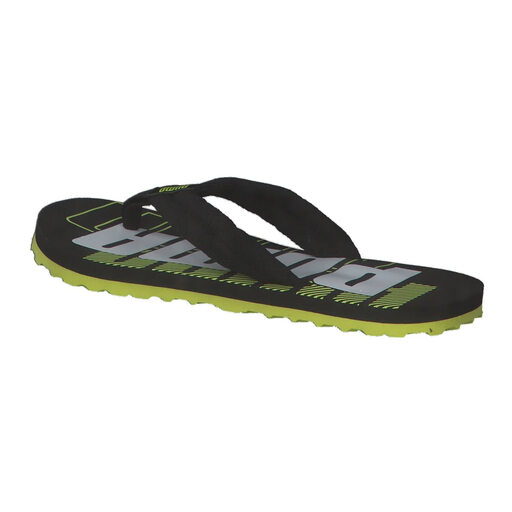
Why this product suits this profile: According to the product information, this style is aimed at children aged around 4 to 8 and is designed for warm-weather leisure. Before buying, compare the available sizes with your child’s measured foot length.
The foot-length chart reduces the need to rely on rough age or size estimates. The textured EVA sole is listed as a feature that helps prevent slipping.
Woven textile straps, a contoured EVA footbed, a lightweight CMEVA midsole and cleaning with a damp cloth.
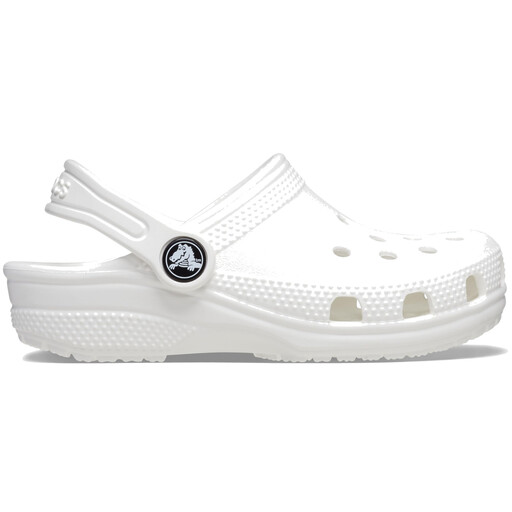
Why this product suits this profile: This clog is designed to be easy to slip on and off. It’s a good option for children who need an uncomplicated shoe for leisure time, the garden or short walks.
The adjustable heel strap can offer more support than a slip-on shoe with a completely open back. According to the product information, sizes range from EU 28/29 to 38/39.
Lightweight Croslite material, ventilation holes, a washable surface and a treaded outsole, according to the product description.
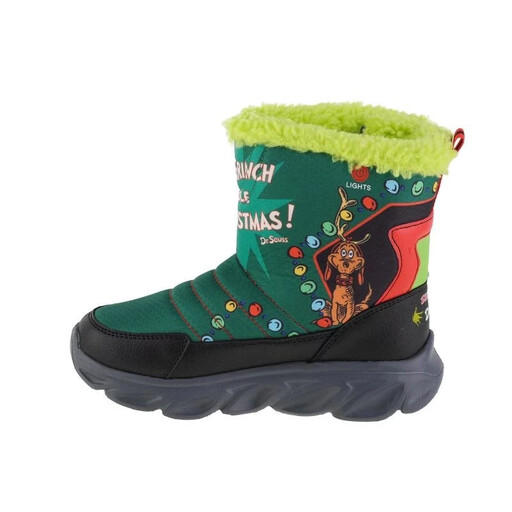
Why this product suits this profile: This closed winter boot could suit families looking for a style made from synthetic textile for cooler days, and who are happy to follow the care instructions.
Clear care instructions help set the right expectations: clean the boots with a damp cloth, don’t machine wash them and don’t dry them using direct heat.
Available in sizes EU 27 to EU 34 according to the size chart; the upper is listed as synthetic textile.
We’ve put together a complete, regularly updated list of products that meet these strict selection criteria and fully comply with the safety regulations in force in the EU.
Before ordering shoes for boys and girls, ask yourself:
Shoes should allow the feet to move without them sliding noticeably forwards or the heels slipping out. The fit of the individual style and its size chart are the best guides. As children’s feet grow, check their size regularly.
How long they last depends on growth, how often they’re worn, the surface they’re used on, the material and how they’re cared for. Visible wear on the tread, seams or heel may mean it’s time for a new pair. Shoes can also become too small even if they still look in good condition.
It depends on the fit, heel support and activity. Children’s clogs can be practical for the garden, leisure time and short walks. For longer distances or sports, check that the shoes provide enough support and have soles suited to the activity.