
Lieferung heute & morgen

Qualitätsgarantie

Willkommens-Angebote freischalten: KOSTENLOSE Lieferung | Bis zu 80 % RABATT | Kostenlose 30-Tage-JoyPlus-Testphase
App herunterladen
When you’re buying children's shoes, it’s about more than just colour and a brand logo. Kids aged roughly 4 to 16 wear shoes for school, free time, sport and getting around in changeable weather. An ill-fitting size, unsuitable material or a smooth outsole can mean a pair barely gets worn. This shopping guide explains what parents and guardians should look for in children’s sandals, children’s summer shoes, children’s winter boots, children’s trainers, as well as boys’ and girls’ shoes.
Age ranges like “for 8 to 16 years” are only a guide. Children’s feet develop differently, and internal lengths can vary by brand and model. If you simply stick with the usual EU size, you risk pressure points or too much room.
Better: Measure both feet while standing and use the longer one as your baseline. What matters is the foot length or internal length given by the brand, not just the number on the label.
A soft EVA footbed can feel pleasant, but it doesn’t guarantee the right fit. If the shoe is too loose, the foot may slip while walking. If it’s too narrow, the toes or forefoot can be under pressure. With sandals, the strap should hold securely without cutting in.
A patterned outsole can help traction on suitable surfaces. However, it doesn’t replace choosing the right shoe for wet conditions, ice or uneven terrain. With slip-resistant sandals, parents should check the tread pattern, material and intended use stated in the product description.
Measure the foot length from the back of the heel to the tip of the longest toe. PUMA, for example, provides a mapping of EU sizes to foot length in centimetres. Depending on the model, available sizes range from small kids’ sizes up into youth sizes. If your measurement falls between two values, going up a size can make sense as long as the shoe doesn’t end up too loose.
Also check for:
The upper material affects weight, breathability, cleaning and where the shoe is best used. Woven textiles are often suitable for light summer shoes, while synthetic textiles on boots can be easily wiped clean with a damp cloth. Genuine leather can feel great, but it needs appropriate care and shouldn’t be left wet for extended periods.
Examples from our selection:
For the playground, the school run and free time, outsole pattern, flexibility and weight are useful points of comparison. A sandal with an EVA construction is designed for warm, dry days. It’s no substitute for a closed shoe in cold weather, heavy rain or on longer routes over rough ground.
With children’s winter boots, look for a closed shaft, secure support and an easy-care surface. A children’s trainer is more suited to school and leisure, while sandals can be a good option for warm days and indoor spaces. Always compare the product description with how your child will actually use the shoe.
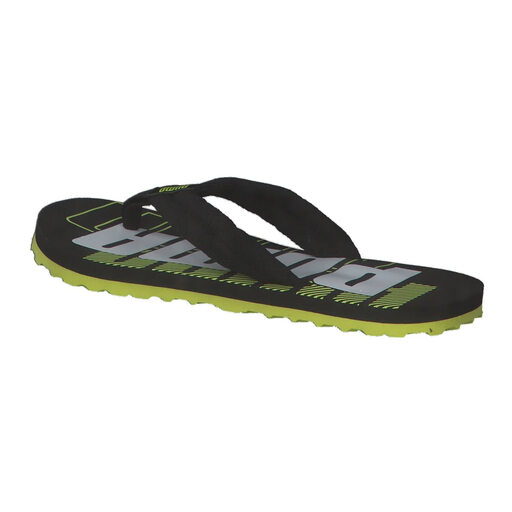
Why this product suits the profile: Designed for children aged around 4 to 8, this model pairs woven straps with a lightweight EVA construction for warm days.
The stated foot length in centimetres makes size checking easier. The patterned sole is explicitly described as a slip-resistant feature.
Woven textile straps, contoured EVA footbed and CMEVA midsole; wipe clean with a damp cloth.
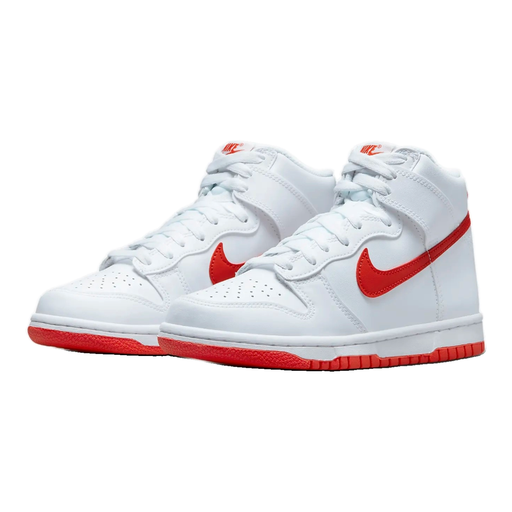
Why this product suits the profile: The high-top trainer cut is a good fit for kids and teens who need a closed shoe for everyday wear and leisure.
The size overview includes EU, US, UK and centimetre measurements, letting you check fit independently of your previous shoe size.
Genuine leather upper, synthetic outsole and care instructions recommending a soft cloth and natural drying.
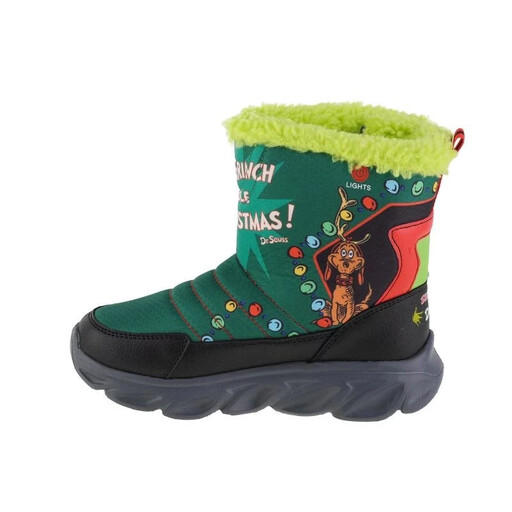
Why this product suits the profile: A closed boot for colder days and for kids who need an easy-care option for everyday wear.
Material and care details help avoid incorrect cleaning: no machine wash and no drying with direct heat.
Synthetic textile upper, size range EU 27 to 34, and straightforward cleaning with a damp cloth.
The PUMA Epic Flip V2 Power Sandals are also listed in versions for older children and teenagers, including EU 35.5, 37, 38 and 39. These unisex children's shoes can be a good option if you want a neutral design and sizes that extend into the youth range. Always check the size actually available on the product page before you buy.
We’ve put together a complete, continuously updated list of products that fully meet these strict selection criteria and comply with EU safety regulations.
The lifespan of children’s shoes depends on usage, growth, material and care. Check regularly:
For textile and synthetic styles, a damp cloth is often enough. Avoid direct heat sources, as high temperatures can warp or dry out materials. With leather shoes, don’t use harsh cleaners or abrasive brushes.
The required wiggle room depends on the model and foot shape. Toes shouldn’t touch the front, but the foot shouldn’t slide inside the shoe either. Measure foot length while standing and compare it with the manufacturer’s centimetre guidance.
With fast-growing feet, regular checks are a good idea, especially before the seasons change. Also reassess the fit if your child mentions pressure, rubbing or an unusual feel when walking.
That depends on construction and the surface. Children’s sandals with woven straps, a contoured EVA footbed and a patterned sole can suit warm everyday situations. In cold, wet conditions or for longer routes, parents should consider a closed style with an appropriate tread.