
Lieferung heute & morgen

Qualitätsgarantie

Willkommens-Angebote freischalten: KOSTENLOSE Lieferung | Bis zu 80 % RABATT | Kostenlose 30-Tage-JoyPlus-Testphase
App herunterladen
Choosing the right children's shoes can be a challenge. The market is flooded with tempting designs and marketing promises, but not every shoe that looks good is also good for growing feet. Many parents invest in shoes that become uncomfortable after just a few weeks, wear out quickly, or fail to provide adequate support for foot development. This guide will help you navigate the most common pitfalls and make an informed decision.
To avoid a bad purchase, you should focus on objective criteria that ensure comfort, durability, and a healthy fit.
The correct fit is paramount. Shoe sizes can vary significantly between brands. Therefore, always measure your child's feet while they are standing before every purchase.
The material affects both the wearing comfort and the longevity of the shoe. Comfortable children's shoes are distinguished by a thoughtful combination of materials.
The type of closure should be appropriate for the child's age and level of independence.
Here are some models tailored to specific needs and use cases.
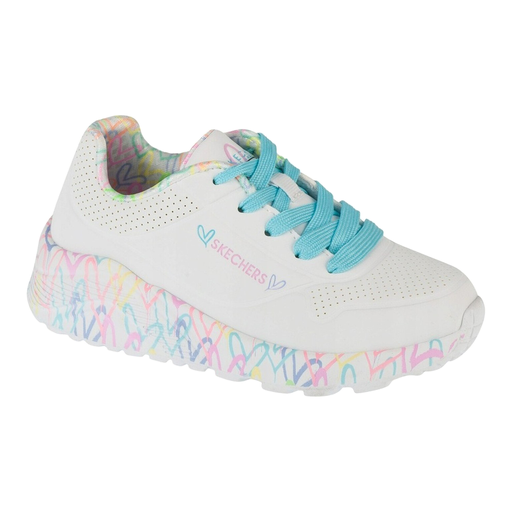
Why this model is a great fit: This shoe is a durable all-rounder for daily use. The easy-care upper and flexible sole make it a practical companion for school and the playground.
Instead of focusing on short-lived trends, this model prioritises functional aspects like a good fit and durable materials, thereby avoiding the Material Trap.
The combination of durable synthetic leather and a flexible sole offers comfort and longevity for an active day.
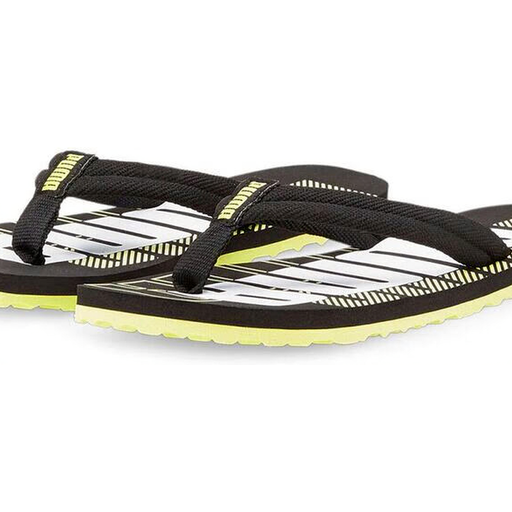
Why this model is a great fit: These sandals are designed for use in and around water. The soft EVA footbed and non-slip outsole provide comfort and safety on wet surfaces.
Unlike basic water shoes, this model features a structured, non-slip sole that minimises safety risks on slippery floors.
The moulded EVA footbed ensures comfort, while the lightweight CMEVA midsole provides cushioning.
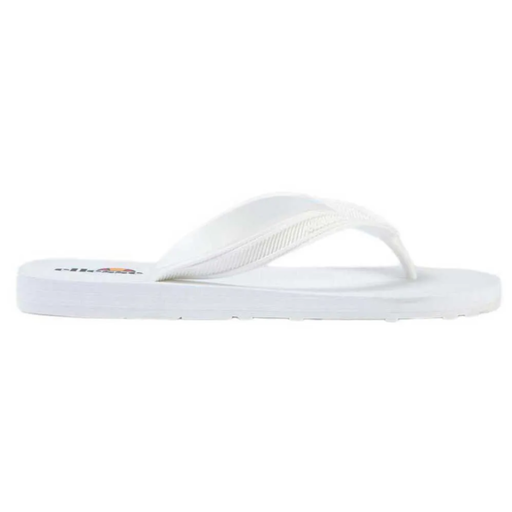
Why this model is a great fit: As classic white sneakers for girls, these Ellesse shoes combine a timeless design with modern comfort. They are versatile and pair well with both sporty and everyday outfits.
This model bypasses the Design Trap by opting for a classic, enduring design instead of a short-lived trend. The solid construction ensures a longer lifespan.
The synthetic construction is durable and easy to clean, while the cushioned insole and flexible outsole provide comfort.

Why this model is a great fit: These Skechers girls' shoes combine the fun of light-up shoes with the proven construction of an athletic shoe. The design, with its glitter and light-up elements, is appealing without neglecting functionality.
This model avoids the Design Trap by integrating the light-up feature into a well-structured sneaker that offers support and comfort, rather than being just a visual gimmick.
The combination of an appealing light-up design and a supportive sneaker construction with an adaptive closure makes the shoe both fun and practical.
We have compiled a complete, up-to-date list of products that fully meet these strict selection criteria and rigorous safety standards.
1. How often should you measure children's feet? For children up to three years old, it is recommended to measure their feet every six to eight weeks. For older children, measuring every three to four months is usually sufficient. It's best to take measurements in the afternoon, as feet can swell slightly over the course of the day.
2. Are shoes with light-up effects (light-up shoes) suitable for daily use?Light-up shoes can be suitable for daily use, provided they meet the basic requirements of a good children's shoe. Make sure the model has a flexible sole, breathable material, and a good fit. The light-up function should be an added bonus, not the main criterion for selection.
3. What does a flexible sole mean in children's shoes? A flexible sole allows the foot to roll naturally. This is important for the development of healthy foot muscles and a stable gait. You can test the flexibility by trying to bend the shoe in the middle. It should bend at the ball of the foot without much effort.