
Lieferung heute & morgen

Qualitätsgarantie

Willkommens-Angebote freischalten: KOSTENLOSE Lieferung | Bis zu 80 % RABATT | Kostenlose 30-Tage-JoyPlus-Testphase
App herunterladen
Children’s toys should be fun, support the child’s development and work reliably in everyday life. However, choosing the right toy involves more than just colours, brands or eye-catching light effects. The key factors are the recommended age, build quality, power supply and where the toy is intended to be used.
Interactive toys with music, lights, sounds or remote control may seem versatile at first glance. In practice, however, they can quickly go unused if the volume cannot be adjusted, the batteries need frequent replacing or the controls are too complicated for the child. So check whether the features suit the child’s age and usual habits.
“Toys from 3 years” is not simply a marketing category. Small components can pose a choking hazard, while a complex RC toy may be too demanding for younger children’s motor skills. For baby toys, you should also pay attention to information about loose parts, battery compartments, water resistance and supervision.
Many products do not include batteries. For example, the Theo Klein Bosch Drill 8410 requires two AA batteries. Remote controls may also need additional AA or AAA batteries, while the vehicle itself runs on a rechargeable battery. Before buying, you should also check whether a USB cable, spare parts or a charger are included.
The recommended age is the starting point. For children aged one to three, simple shapes, large controls and stable bases are generally suitable. Educational toys for pre-school children can offer several functions, but should still be intuitive to use.
For outdoor use, children’s scooters, RC toys and other outdoor toys are worth considering. A three-wheeled children’s scooter with lean-to-steer steering may be easier for beginners to control than a two-wheeled model. A non-slip deck, suitable handlebar height and use on appropriate, clear ground are important. A helmet and, where necessary, additional protective equipment are essential for safe use.
Look for rounded edges, a sturdy casing and a battery compartment that can only be opened by adults. Information such as ABS plastic or BPA-free material should be clearly verifiable in the product description or on the packaging. For electronic toys, information about water, cleaning and charging times is also relevant.
The CE marking indicates that the manufacturer declares compliance with the relevant EU requirements. It is not an independent test mark and, on its own, says nothing about durability, volume or educational value. EN 71 is also often referenced for toys. What matters is that the marking, warnings and manufacturer information are all provided in full.
Children’s musical instruments and electronic educational toys often require batteries. An adjustable volume control is practical when using them at home, but it does not replace adult supervision. For RC vehicles, you should distinguish between the integrated rechargeable battery and the batteries required for the remote control.
Range, charging time and the surface also affect how the toy can be used. A remote-controlled car for children with large tyres is not automatically suitable for every type of terrain. Grass, sand, carpet and smooth floors place different demands on the drive system and tyre tread.
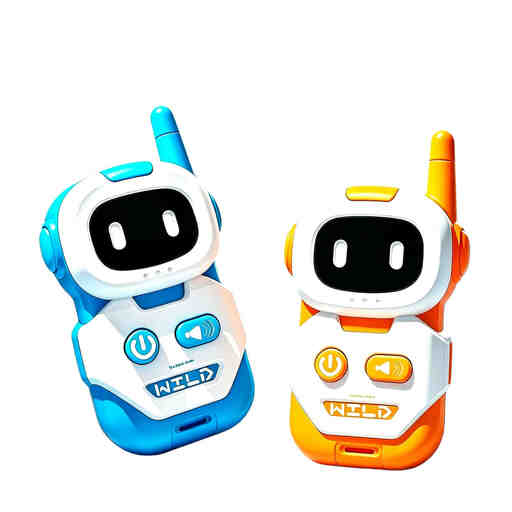
Why this product suits this profile: This baby toy combines drum surfaces, shape and colour sorting, and animal sounds in one product. According to the product information, it is intended for children aged 6 to 36 months. Check the specific age recommendation on the product page before buying.
The different control surfaces offer several ways to play, rather than relying on just one light or sound effect. According to the product information, batteries are not included.
The product description mentions an ABS construction, rounded edges and a non-slip base.

Why this product suits this profile: This toy drill is designed for children aged 3 and over, supporting realistic role play with a rotating drill bit as well as light and sound effects.
The product data states dimensions of 24,5 × 15 × 4 cm and a weight of 217 g. This makes it easier to assess in advance whether the model is suitable for small hands.
A rotating drill bit, Bosch-inspired design and two required AA batteries; batteries are not included.
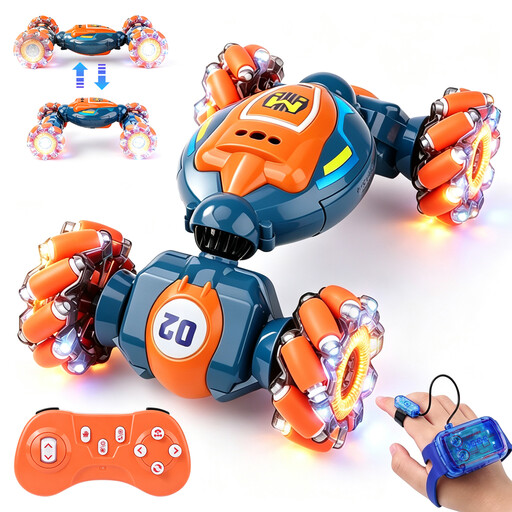
Why this product suits this profile: This RC toy features a classic 2.4 GHz remote control as well as gesture control via a wristband. It is designed for children aged 3 and over and is suitable for controlled driving indoors or outdoors.
The two control methods allow you to adapt the toy to the child’s abilities. Before use, check the charge level, the remote control batteries and that there is enough clear space for driving.
The product information lists 4WD, 360-degree turns, LED wheels and an integrated rechargeable battery.
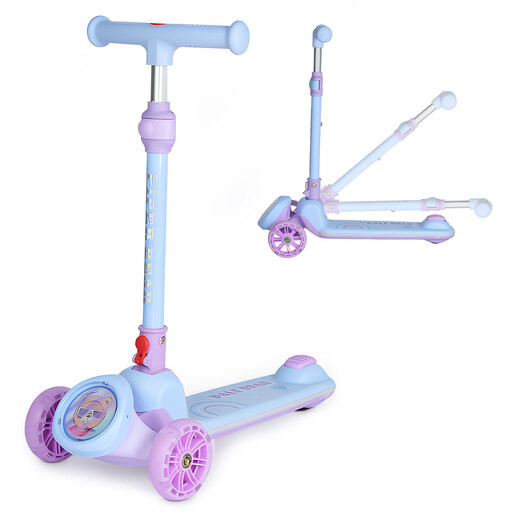
Why this product suits this profile: This children’s scooter is listed for children aged 3 to 10 and combines adjustable elements with lean-to-steer steering for outdoor use.
The adjustable handlebar height can grow with the child. Before every ride, check the deck, wheels, steering and fastenings.
The product name mentions three wheels, a non-slip deck and illuminated wheels.
We have put together a complete, regularly updated list of products that fully meet these strict selection criteria and the safety regulations applicable in the EU.
Toys from the age of 3 should suit the child’s motor skills and attention span. Role-play toys such as a toy drill, simple children’s musical instruments, three-wheeled scooters or easy-to-use vehicles can be suitable options. Small parts, projectiles and electronic products should only be used in accordance with the warnings and under supervision.
Their lifespan depends on the casing, battery compartment, rechargeable battery, storage conditions and intensity of use. Remove batteries if the toy will not be used for an extended period, charge rechargeable batteries according to the instructions and protect electronic components from moisture. Toys with visible damage should no longer be used.
Battery-powered toys incur the cost of AA or AAA batteries. Battery-powered vehicles need regular charging and, depending on the model, may require a USB cable or a suitable charging adapter. Before buying, check which power source is included and which accessories are needed separately.