
Lieferung heute & morgen

Qualitätsgarantie

Willkommens-Angebote freischalten: KOSTENLOSE Lieferung | Bis zu 80 % RABATT | Kostenlose 30-Tage-JoyPlus-Testphase
App herunterladen
Finding the right children's toy can be a challenge. Whether you're looking for gifts for kids for a birthday or just something to keep them occupied on a rainy day, the selection is vast, and manufacturers' promises are often lofty. However, not every toy that looks exciting at first glance turns out to be a good choice. Many products prove to be short-lived, unsafe, or simply impractical.
As your Joybuy Product Recommendation Officer, I'm here to help you identify the common pitfalls and make an informed decision. This guide will show you what to look for to find toys that bring genuine, lasting joy.
Before we get to the recommendations, it's important to understand the most common problems that often only become apparent after unboxing.
To avoid these traps, you should check three key aspects before buying. These criteria will help you objectively assess a product's quality and long-term value.
Safety is non-negotiable. In the EU, toys must comply with the EN 71 standard. This certification regulates, among other things:
Look for the CE mark, which indicates the manufacturer's declaration that these standards have been met. Robust materials like ABS plastic or toxin-tested polypropylene (PP) are often an indicator of greater durability compared to unspecified plastics.
The age rating (e.g., toys for ages 3 and up) is more than just a recommendation. It provides information about:
A good toy stimulates the imagination and can be used in various ways. Look for products that encourage open-ended play. These include:
Here are some product recommendations tailored to different needs and interests that meet the criteria mentioned above.
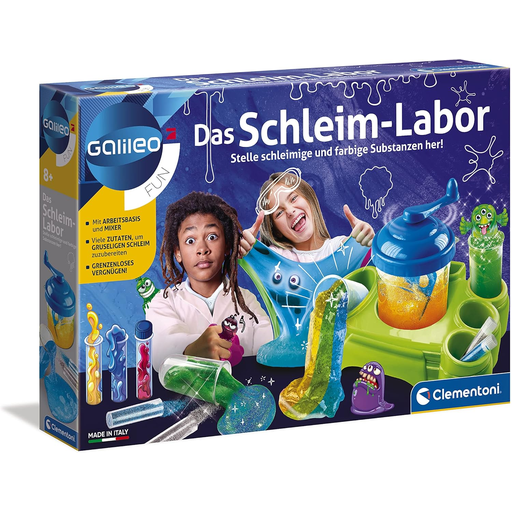
Why This Fits Their Persona: Ideal for curious children aged 8 and up who love to experiment and create something with their own hands. It playfully combines chemistry with a tangible, creative result.
Instead of a one-off gimmick, this science kit offers a process-oriented approach to play. The focus is on doing and understanding, which sustains its play value over a longer period.
Promotes logical thinking and an interest in science. The set is fully equipped and requires no additional purchases.
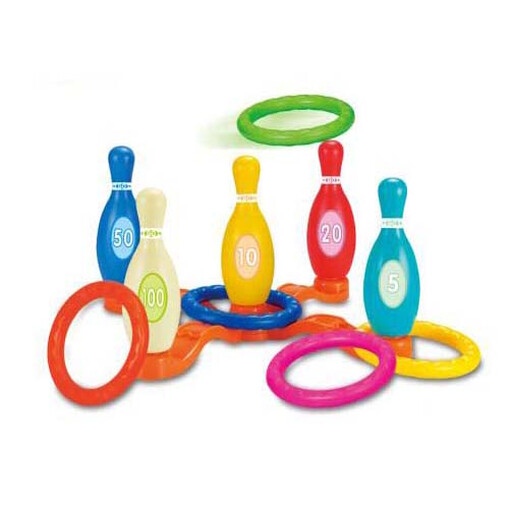
Why This Fits Their Persona: Perfect for families looking for a simple yet entertaining outdoor toy. It encourages physical activity and can be played in the garden or indoors on any flat surface.
This set is made of durable PP plastic that withstands impacts and won't form sharp edges. The 2-in-1 function provides variety and prevents the game from becoming boring quickly.
Promotes hand-eye coordination and counting skills. It requires no batteries and is ready to use out of the box. Suitable for a wide age range (3+ years).
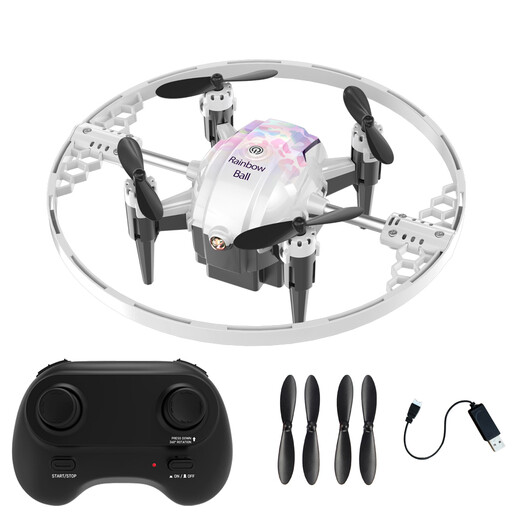
Why This Fits Their Persona: A great choice for kids aged 8 and up who want to try their first remote-controlled flying device. Its simple controls and compact size are specifically designed for indoor use.
The drone is explicitly designed to be beginner-friendly, with features like one-click takeoff and landing. This lowers the frustration threshold and prevents the toy from being abandoned due to excessive complexity.
Stable flight characteristics for indoor use. The durable resin material is designed to withstand bumps and crashes during play.
We have compiled a complete, up-to-date list of products that fully meet these strict selection criteria and German safety regulations.
Look for the CE mark on the packaging. This confirms the manufacturer's declaration that the product complies with applicable EU directives, particularly the Toy Safety Directive and the EN 71 standard. Additional, voluntary test seals like the GS mark (Geprüfte Sicherheit / Tested Safety) can be another indicator of quality.
Choose toys that encourage creativity and open-ended play. Building sets, creative toys, role-playing kits, or family games generally offer more variety than single-function products. Toys that "grow" with the child or offer different levels of difficulty also have higher long-term play value.
The age rating is a crucial guideline for both safety and playability. For children under 36 months, it warns against small parts that could be a choking hazard. For older children, it indicates the developmental stage (both motor and cognitive) for which the toy was designed, helping to prevent frustration from it being too simple or too complex.