
Lieferung heute & morgen

Qualitätsgarantie

Willkommens-Angebote freischalten: KOSTENLOSE Lieferung | Bis zu 80 % RABATT | Kostenlose 30-Tage-JoyPlus-Testphase
App herunterladen
The selection of children's toys is vast, and manufacturers' promises are often grand. But not every colourful toy that brings a momentary sparkle to a child's eyes is a worthwhile investment. Many products turn out to be short-lived, incur unexpected follow-up costs, or miss their educational mark. This guide will help you separate the wheat from the chaff and make an informed decision that brings joy to both your child and your wallet.
Before we dive into the key selection criteria, let's highlight the typical problems that often only become apparent after the purchase.
To avoid these pitfalls, it's helpful to focus on objective and verifiable criteria. These three points are crucial for making a good choice.
Safety is the top priority. Look for the CE mark, which indicates the manufacturer's declaration that the product meets EU requirements. However, it is not an independent seal of approval. Additional seals like the GS mark ("Geprüfte Sicherheit" or "Tested Safety") offer greater reliability as they are awarded by independent bodies. The material should be robust and free of harmful substances. High-quality ABS plastic is often a good choice as it is shatter-resistant and durable. For toddler toys, the "BPA-free" label is an important quality indicator.
The manufacturer's age recommendation is more than just a suggestion; it relates to both safety (e.g., small parts that can be swallowed in toys for ages 3+) and developmental appropriateness. A good motor skills toy for a toddler specifically promotes hand-eye coordination with simple, easy-to-grasp shapes. Conversely, a remote-controlled car for a five-year-old should have intuitive controls that provide a sense of achievement rather than frustration. Verify that the toy's functions truly match the child's abilities and interests.
A durable toy is both sustainable and economical. Look for a sturdy construction, clean workmanship, and resilient materials. A kids' scooter or a balance bike with a height-adjustable handlebar and seat grows with the child and can be used for several years. Versatile toys that work well both indoors and as outdoor toys for kids offer greater play value and pay for themselves more quickly.
To put theory into practice, we have selected a few products that meet specific requirements and avoid the pitfalls mentioned.
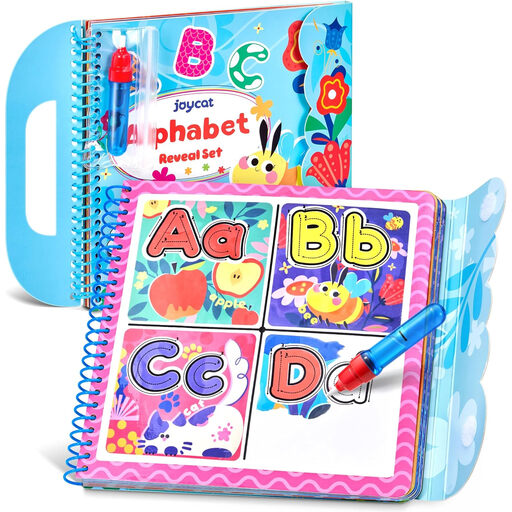
Why it's a great fit: Ideal for toddlers who love to paint, but without the usual mess of colour stains. It's an excellent screen-free activity for home or travel, combining creativity with early writing practice.
This colouring book works only with water and is reusable. It avoids the hidden cost trap, as no paints or special pens need to be repurchased. The learning effect is clear and age-appropriate.
Promotes fine motor skills and letter recognition without any mess. The pages dry and can be coloured in an unlimited number of times. The integrated design with a pen holder makes it travel-friendly.
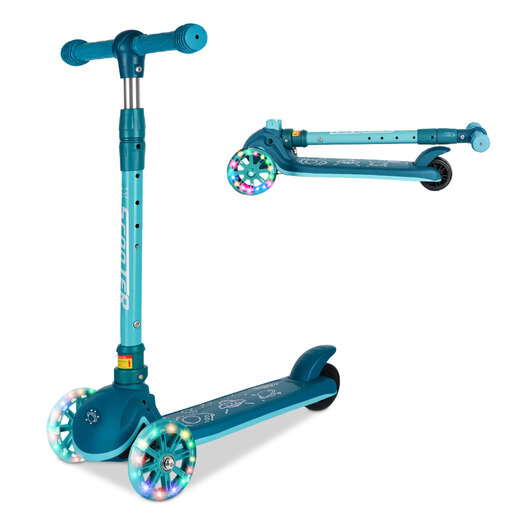
Why it's a great fit: Perfect for children who want to get moving outdoors and train their sense of balance. The three wheels provide stability for beginners, while the design ensures long-lasting fun.
Thanks to the height-adjustable handlebar, this scooter grows with the child, thus avoiding the problem of a short usage period. The robust construction is designed for durability and withstands active use.
Promotes motor development and coordination. The light-up wheels work without batteries (dynamo effect) and increase visibility. The scooter is foldable for easy transport.
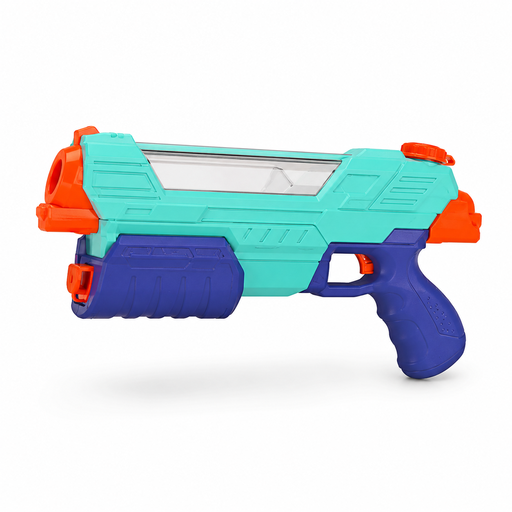
Why it's a great fit: This set is ideal for children who love to build and construct. It combines a fascination with dinosaurs with a real, hands-on building experience, making it a fitting gift for kids with a technical interest.
Instead of vague learning promises, this set offers a concrete STEM approach: children learn how to use tools and understand simple mechanical principles. The included storage box solves the problem of lost small parts.
Actively promotes problem-solving skills, fine motor skills, and logical thinking. Includes multiple dinosaurs and tools for varied and repeatable fun.
Whether for boys or girls, for indoors or outdoors—the selection of well-designed toys is vast. If you're looking for more products that meet our criteria for safety and play value, you'll find a more comprehensive selection here.
1. How can I identify safe children's toys? Look for the CE mark as a minimum standard. Additional, voluntary test seals like the GS mark offer more security. Check the toy for sharp edges, pointed corners, and loose small parts that could pose a choking hazard. If the product has a strong chemical smell, caution is advised.
2. What exactly does the age rating on the packaging mean? The age rating is an important guideline that relates to two aspects: safety and development. For children under three, small parts are prohibited due to the risk of choking. Furthermore, the recommendation indicates the age for which the toy's complexity and motor skill requirements are designed, in order to avoid overwhelming or underwhelming the child.
3. How do I clean and care for toys properly? Most plastic toys can be cleaned with a damp cloth and mild soapy water. Wooden toys should only be wiped with a damp cloth to prevent swelling. Electronic toys should only be cleaned on the surface with a dry or slightly damp cloth. Always follow the manufacturer's care instructions. Regular cleaning is especially important for toys for young children.