
Lieferung heute & morgen

Qualitätsgarantie

Willkommens-Angebote freischalten: KOSTENLOSE Lieferung | Bis zu 80 % RABATT | Kostenlose 30-Tage-JoyPlus-Testphase
App herunterladen
The selection of children's toys is vast, and manufacturers' promises are often grandiose. But not every colourful toy advertised as educational lives up to its claims. As a Joybuy Product Recommendation Officer, I sift through market information to give you objective and practical advice. This guide will help you navigate common purchasing pitfalls and make an informed decision.
Many well-intentioned purchases quickly turn into disappointments. Watch out for these three common issues to avoid a bad investment.
To avoid these pitfalls, you should focus on objective features. The following three parameters are crucial for selecting safe and durable toys.
The most important information on any packaging is the age recommendation. This refers not only to the toy's complexity but, more importantly, to its safety. Toys for toddlers under 36 months must not contain small parts that can be swallowed. The CE mark is a fundamental requirement here. It confirms that the product meets the requirements of the EU safety standard EN 71. However, this is a manufacturer's declaration and not an independent seal of approval. Therefore, always inspect the craftsmanship for sharp edges or loose parts yourself.
The choice of material directly impacts safety and lifespan.
A good toy stimulates the imagination. Here, we distinguish between two concepts:
Based on these objective criteria, we have identified some products that are suitable for different user profiles.
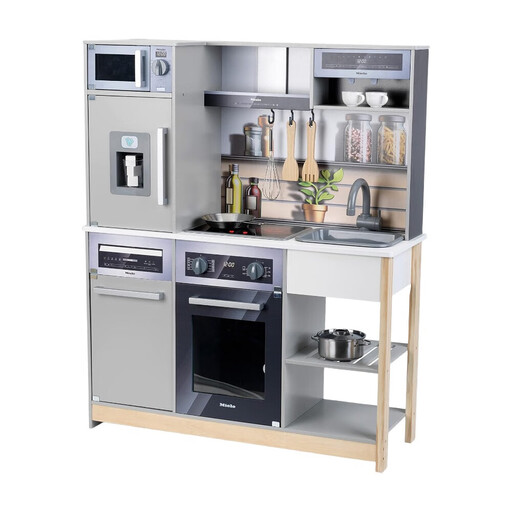
Why This Fits Their Persona: Ideal for children who love to imitate adult activities. As a comprehensive role-playing toy, this kitchen provides a platform for creative and long-lasting play, alone or with friends.
Made from FSC-certified wood with metal accessories, it counters the trap of short-lived plastic toys, ensuring stability and a long lifespan.
Comprehensive features including a stove (light and sound functions), microwave, and espresso machine. As an open-ended play concept, it promotes fine motor skills and creativity.
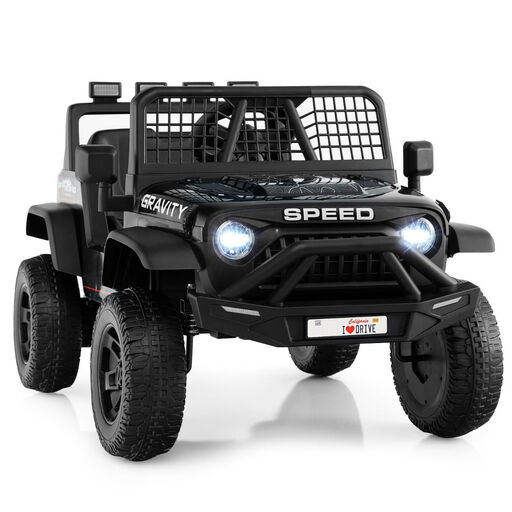
Why This Fits Their Persona: A perfect special gift for children who love movement and technology. This ride-on car offers a safe outdoor driving experience and promotes coordination.
Addresses safety concerns with two driving modes: child self-operation and a parental remote control with an emergency brake function. The soft-start technology prevents jerky acceleration.
Equipped with 4 non-slip wheels and suspension for stability on various surfaces. Integrated extras like LED headlights, music, and a horn provide additional fun.
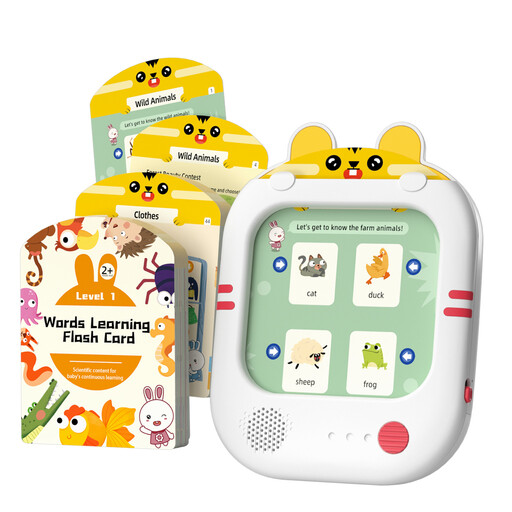
Why This Fits Their Persona: An excellent choice for parents seeking an educational toy that is screen-free. It promotes language development and logical thinking in an interactive way.
This educational toy is completely screen-free, thus avoiding the passive screen time trap. Instead, it focuses on an active, tactile learning experience with physical cards.
Offers over 180 words and logic games with 47 double-sided cards. The interactive pen with audio feedback enables independent learning. The battery is rechargeable.
We have compiled a complete, up-to-date list of products that fully meet these strict selection criteria and safety regulations.
1. What should I look for with the CE mark on children's toys? The CE mark confirms that the manufacturer declares compliance with EU safety standards, particularly EN 71. It is a basic minimum requirement, but not an independent quality seal. Therefore, always inspect the toy yourself for potential hazards like sharp edges, easily detachable small parts, or strong chemical odours, even if a CE mark is present.
2. How do I clean and maintain electronic toys like a kids' electric car? Electronic toys should never come into direct contact with water. Use a slightly damp cloth for cleaning and avoid the battery and charging port areas. Regularly check the battery contacts for cleanliness and corrosion. Store the toy in a dry place. Always follow the specific care instructions provided by the manufacturer.
3. From what age is a remote-controlled car appropriate? This largely depends on the model. Simple remote-controlled cars with just one or two buttons (forward/reverse) are suitable as toys for toddlers from around 18 to 24 months. More complex models with precise steering and multiple speed settings require more advanced fine motor skills and are therefore generally a good choice for children from 3 years and up.