
Lieferung heute & morgen

Qualitätsgarantie

Willkommens-Angebote freischalten: KOSTENLOSE Lieferung | Bis zu 80 % RABATT | Kostenlose 30-Tage-JoyPlus-Testphase
App herunterladen
The search for the right children's toy can quickly become overwhelming. Colourful packaging and grand marketing promises make it difficult to find products that are not only briefly exciting but also safe and developmentally beneficial. Many parents and gift-givers know the problem: an expensive toy ends up unused in a corner after just a few days. This guide will help you navigate the common pitfalls and make an informed choice.
As a Joybuy Product Recommendation Officer, I analyse product information daily to provide you with objective and practical shopping advice based on facts, not marketing hype.
To avoid a bad purchase, you should check a few fundamental parameters before making a decision. These criteria will help you objectively assess a product's quality and actual play value.
Safety is the most important criterion, especially for baby toys. Look for two crucial markings:
For wooden toys, the FSC seal is also a good indicator. It ensures that the wood comes from sustainably managed forests.
The age recommendation on the packaging is only a rough guideline. The crucial factor is whether the toy neither underwhelms nor overwhelms the child's motor skills.
A good toy is one that sparks the imagination and can be rediscovered again and again. Unlike toys with a single function, open-ended products allow for countless play variations. These include classic building blocks, as well as role-playing toys like a play shop or a tool belt. They foster social interaction, creativity, and language development.
Based on the criteria above, we have selected a few products suitable for different age groups and play preferences.

Why This Fits Their Persona: Ideal for the first stage of development. The lightweight and flexible design is specifically tailored to a baby's motor skills and supports learning to grasp.
Avoids the "short-lived fascination" trap. Its open-ended design keeps the ball interesting for months – from first grasps to rolling and throwing.
32 finger holes for easy gripping even with small hands; flexible, patented design with no sharp edges; easy to clean.
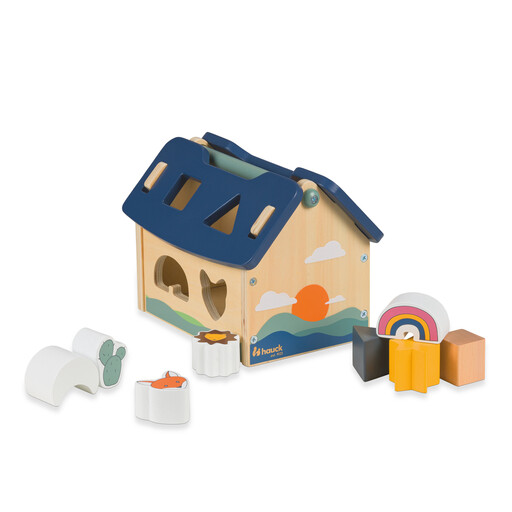
Why This Fits Their Persona: A classic motor skills toy for children aged 1 and up that relies on high-quality, sustainable materials and promotes fundamental cognitive skills in a tangible way.
Sidesteps the "overrated learning features" trap. Instead of passive electronic stimuli, it requires active problem-solving as the child matches shapes to openings themselves.
Made from FSC-certified wood; promotes hand-eye coordination as well as shape and colour recognition; the blocks can be conveniently stored inside the house.
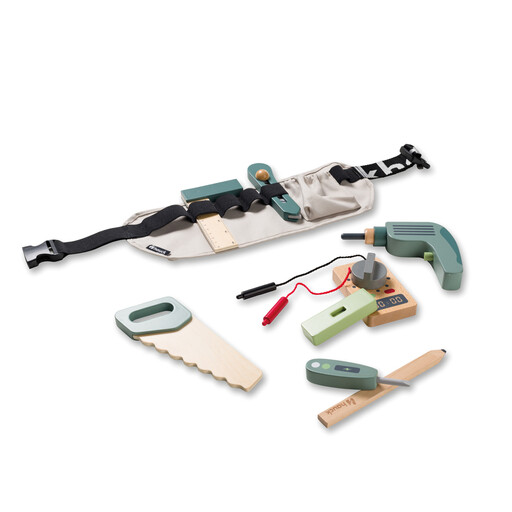
Why This Fits Their Persona: Perfect for children who love to imitate adults. This role-playing toy stimulates the imagination, allowing kids to step into the role of a craftsperson and invent their own stories.
Offers long-lasting play value by fostering creative and social skills. Unlike toys with fixed rules, the possibilities here are limitless.
Complete set with 8 tools and a belt made from FSC-certified wood; the adjustable belt keeps hands free for play and holds everything neatly together.
We have compiled a complete, real-time list of products that fully satisfy these strict selection criteria and UK safety regulations.
1. How can I identify safe children's toys? Look for the CE marking as a minimum standard. The voluntary GS mark offers an even higher level of confidence, as it confirms testing by an independent body. Additionally, check the toy for sharp edges, loose small parts (especially for toys intended for children under 3), and a neutral smell, as a strong chemical odour can indicate harmful substances.
2. How many toys are appropriate for a child? Less is often more. An excessive number of toys can overwhelm children and impair their ability to focus on one thing. A smaller selection of high-quality, versatile toys that stimulate creativity is generally more valuable than a large quantity of low-function toys. Regularly rotating toys can also re-spark interest.
3. What does "open-ended play" mean in the context of toys? An open-ended toy is one that does not have a predetermined way to be played with. It gives the child the freedom to invent their own rules, stories, and uses. Classic examples include building blocks, simple figurines, sand toys, or a role-playing toy like a play kitchen. Such toys grow with the child and foster creativity more sustainably than single-function toys.