
Lieferung heute & morgen

Qualitätsgarantie

Willkommens-Angebote freischalten: KOSTENLOSE Lieferung | Bis zu 80 % RABATT | Kostenlose 30-Tage-JoyPlus-Testphase
App herunterladen
Finding the right children's toy can be a challenge. The market is flooded with products that promise short-lived excitement but often fail to deliver on their claims. Many parents and relatives invest in toys that are ignored after just a few days or break quickly due to poor quality. This guide will help you recognise the common pitfalls and make an informed decision that brings joy to the child and offers lasting play value.
Before deciding on a product, it's helpful to know the most common issues that lead to disappointment and unnecessary expense.
To avoid these pitfalls, you should check three core parameters. These will help you objectively assess the quality and long-term value of a toy.
The choice of material is crucial for durability and safety. High-quality wooden toys from sustainable forestry are robust and, with proper care, very durable. For plastic toys, ABS plastic is a good choice, as it is considered impact-resistant and resilient.
Always look for the CE marking. It confirms that the product meets the EU's essential health and safety requirements. An additional, voluntary test seal like the GS mark ("Geprüfte Sicherheit" or "Tested Safety") indicates that the toy has been tested for safety by an independent body. Check the workmanship for smooth surfaces, rounded edges, and a firm assembly of all parts.
A good toy stimulates the imagination and can be used in various ways. Role-play toys like play shops or kitchens promote social interaction and creativity. Creative toys and craft kits that offer different design possibilities train fine motor skills and concentration. Unlike function-limited toys, such products offer high replay value and remain interesting for years. They are often ideal gifts for children as they provide lasting engagement.
The manufacturer's age recommendation is more than just a rough guideline. For toys for ages 3 and up, strict regulations apply regarding small, swallowable parts. A toy designed for an older child can overwhelm a younger one, leading to frustration. Conversely, a toy that is too simple can quickly become boring for an older child. Check whether the complexity and motor skill requirements of the toy match the child's developmental stage.
Here are some recommendations tailored to different needs and play preferences, which take the above criteria into account.
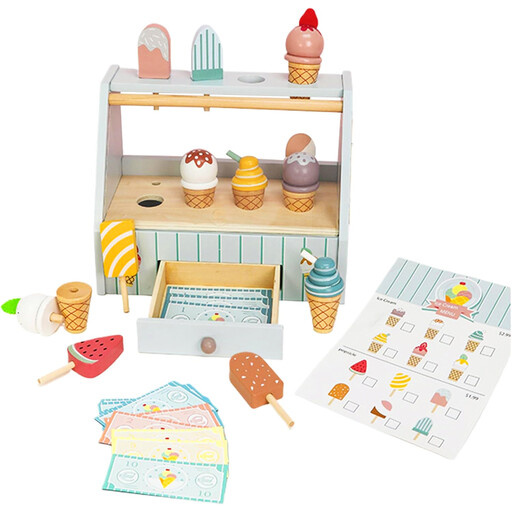
Why it fits this profile: This set is ideal for children who love to act out everyday situations. As a classic role-play toy, it encourages social interaction, communication, and imagination as children take on the role of the ice cream seller or customer.
The sturdy wooden toy is designed for longevity and withstands even intensive play. It offers open-ended play for countless scenarios, thus avoiding the trap of the short-lived, single-purpose toy.
Promotes social skills and creative storytelling. The solid wood construction ensures a long lifespan.
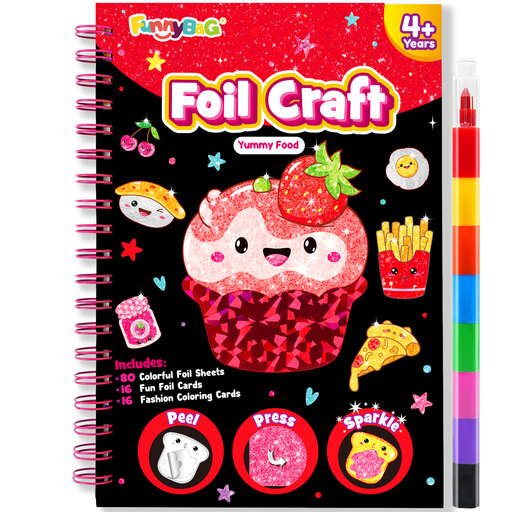
Why it fits this profile: This craft kit is a clean and engaging activity for children who love to create. It promotes fine motor skills, concentration, and hand-eye coordination without the need for glue or paint. Ideal for quiet afternoons or as a travel toy.
The set is complete and includes all the materials needed for 16 foil and 16 colouring cards. There are no hidden follow-up costs. The variety of cards ensures long-lasting engagement.
Clean and easy to use without any glue. Specifically promotes fine motor skills and creativity. Ready to use right out of the box as a complete set.
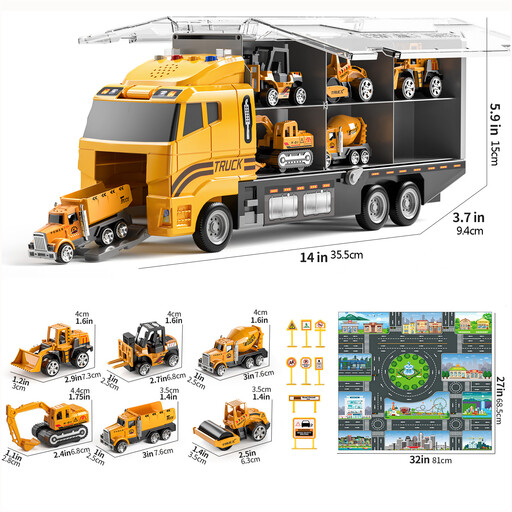
Why it fits this profile: This comprehensive set appeals to children fascinated by construction sites and vehicles. It combines various vehicles, a play mat, and accessories to create a complete play world and encourage the exploration of technical themes.
Instead of offering just a single vehicle, this set provides an entire play environment. The combination of a carrier truck, smaller vehicles, and a mat creates numerous play incentives and prevents boredom.
A comprehensive set for a complete play experience. The combination of alloy and ABS plastic suggests a robust construction.
We have compiled a complete, up-to-date list of products that meet these strict selection criteria and European safety regulations.
Look for the CE marking, which confirms conformity with EU regulations. The voluntary GS mark ("Tested Safety") offers additional assurance through independent testing. Physically inspect the toy for sharp edges, loose parts, and sturdy construction. Always read the age recommendation to rule out hazards from small, swallowable parts for children under three.
Favour toys that allow for open-ended and imaginative play. Creative toys, building blocks, or role-play toys like a play kitchen can be used in multiple ways and adapt to a child's development. Such toys have a significantly higher replay value than electronic products with only one function.
Every good toy promotes development. However, the term educational toy is often used for products specifically designed to train particular skills like counting, logical thinking, or letter recognition. The lines are often blurred. A good craft kit is also an educational toy as it trains fine motor skills and concentration, while a play shop teaches social skills. The focus is on learning through play rather than purely academic instruction.