
Lieferung heute & morgen

Qualitätsgarantie

Willkommens-Angebote freischalten: KOSTENLOSE Lieferung | Bis zu 80 % RABATT | Kostenlose 30-Tage-JoyPlus-Testphase
App herunterladen
Toys should suit a child’s age, interests and everyday life. However, with such a wide range of children’s toys available, eye-catching features, licensed characters or particularly low prices do not automatically lead to the right buying decision. Anyone who focuses only on the packaging can easily overlook safety information, additional costs or whether the toy is genuinely suitable for the intended play situation.
Lights, music, sensors and multiple play modes may seem appealing. For a baby, however, too many stimuli can quickly become confusing. Older children, on the other hand, may soon become bored with a product that is very simple to operate. The age recommendation is therefore an important starting point, but it should not be the only consideration. A child’s stage of development, fine motor skills and ability to understand instructions should also be taken into account.
Beads, building blocks, toy figures and other small parts can pose a choking or inhalation risk for children under three. Craft sets may also contain long threads. A visible CE marking is not an independent quality seal; instead, it indicates that the manufacturer has declared compliance with relevant EU requirements. The specific warning, age recommendation and supervision by adults remain decisive.
When buying electronic educational toys, an interactive baby toy or a remote-controlled car for children, check whether batteries are included, which type of battery is required and whether a rechargeable battery and charging cable are supplied. For products with music and lights, the usage time per set of batteries can vary considerably depending on how extensively the toy is used. Battery compartments must remain securely closed, and spare batteries should be kept out of the reach of young children.
A product labelled “for ages 3 and over” is not intended for younger children, even if the child is already skilled at handling similar objects. Large, easy-to-grip components without loose small parts are suitable for babies and toddlers. A construction set for children aged six and over, on the other hand, will generally require the child to follow step-by-step instructions and sort materials.
The surroundings matter too: outdoor toys such as scooters require a suitable, level surface and protective equipment. An RC vehicle should only be used where there is sufficient distance from furniture, roads and other people.
For plastic toys, smooth, burr-free edges, secure connections and a battery compartment that closes properly are useful points to check. Toys with moving parts should have their hinges, wheels and connecting pieces inspected regularly. Sand, moisture and direct heat can put stress on materials and mechanisms.
For textiles, rucksacks or decorations, it is advisable to check the care instructions. A product that may only be wiped clean with a dry cloth may be less suitable for frequent use in sand or outdoors.
Pay attention to:
Statements such as “supports development” should not automatically be interpreted as indicating a medical or therapeutic benefit. For baby toys, manufacturers often describe possible play stimuli, such as grasping, pressing, observing or experiencing cause and effect. No individual developmental impact can be inferred from this.
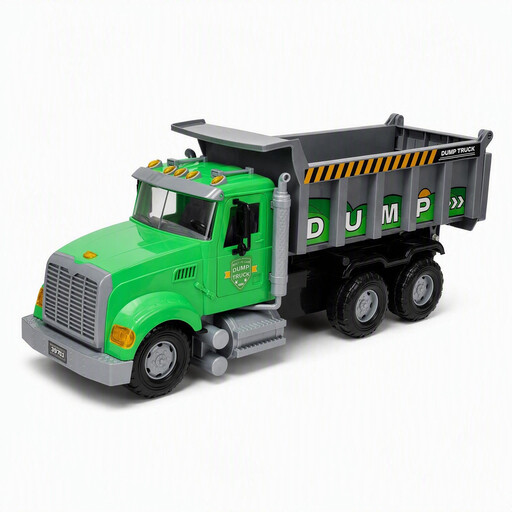
Why this product suits this profile: This large toy tipper truck works without batteries and can be used indoors or in the sand. That makes it appealing to families looking for an uncomplicated birthday toy with minimal accessories.
No batteries, charger or electronic controls are required. Before use, however, the tipping mechanism and plastic body should be checked for damage.
Vehicle with friction drive, lifting and tipping function, and a stated suitability for children aged 3 and over.
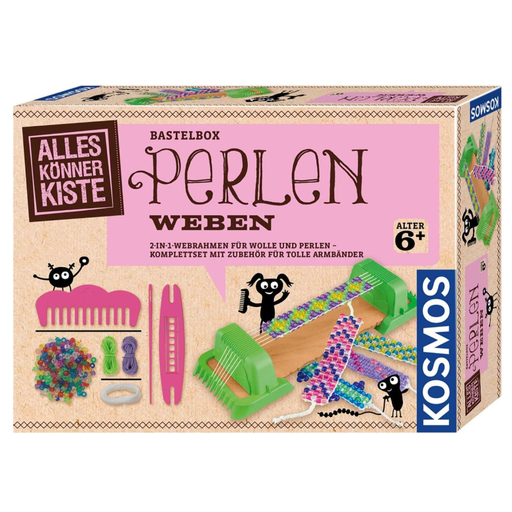
Why this product suits this profile: According to the product information, this creative set is designed for children aged 6 to 10 and includes a loom, beads, yarn, safety pins and instructions.
The contents of the package are clearly specified. At the same time, there is an explicit warning about beads, small parts and long cords; use by children under 3 is excluded.
2-in-1 loom for yarn and bead weaving, 25,5 × 18,8 × 6,2 cm and no battery operation.
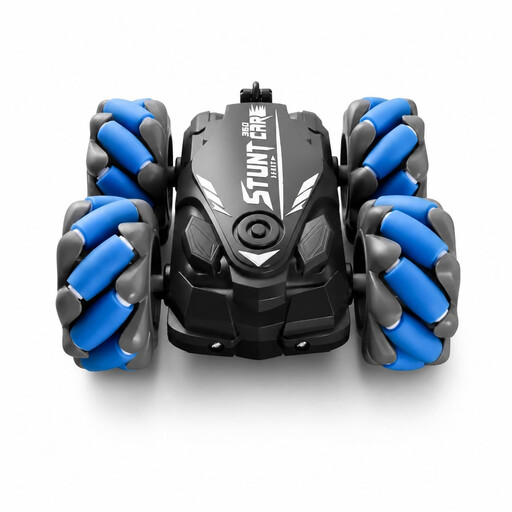
Why this product suits this profile: This remote-controlled car for children aged 8 and over offers several control methods and is suitable for families looking for a vehicle for regular play on level indoor and outdoor surfaces.
According to the product description, the rechargeable battery and USB cable are included. Before each drive, the wheels, body and connections should be checked; water and unsupervised charging should be avoided.
2.4 GHz control, four-wheel drive, gesture and remote control, plus 360-degree spins and driving on both sides.
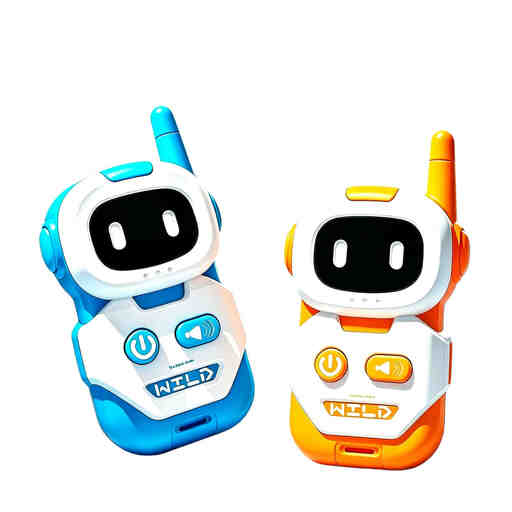
Why this product suits this profile: This interactive baby toy combines drum surfaces, lights, animal sounds, and shape and colour buttons. It is suitable for shared playtime under supervision.
The product information states the material, age range and battery status. Before use, parents should check the volume, stability and whether small shapes can be reached.
ABS plastic, five shape buttons, plus light, music and animal sound functions; according to the product information, batteries are not included.
We have put together a complete, regularly updated list of products that fully meet these strict selection criteria and the safety regulations applicable in the EU.
When choosing a gift for children, the child’s stage of development should come before their gender. A creative set is a good match for children who enjoy making things and working with concentration. A vehicle is more suitable for children interested in movement, technology or role play. Sets with a complete range of accessories are practical as birthday toys because they can be used straight away.
For babies aged between six and 18 months, large controls and simple cause-and-effect activities are a good choice. With toys for ages 3 and over, small parts remain a concern. Construction sets, weaving sets or more complex vehicles may be interesting for children aged six to ten, provided the instructions and level of difficulty are suitable for the child.
Suitable products have a clear age recommendation, sturdy construction and no freely accessible small parts, unless these are expressly intended and used under supervision. For vehicles, construction sets and outdoor toys, the available space and a safe distance should also be taken into account.
There is no reliable way to specify a fixed lifespan. It depends on the batteries, charging habits, exposure to impacts, moisture and frequency of use. Regularly checking the casing, cables, wheels and battery compartment can help identify damage at an early stage. Defective or damaged products should no longer be used.
No. Educational toys can encourage specific activities such as sorting, building, creating or matching. However, the actual benefit depends on whether the child is interested, can play independently and receives support when needed. A wide range of functions alone is not proof of an educational benefit.