
Lieferung heute & morgen

Qualitätsgarantie

Willkommens-Angebote freischalten: KOSTENLOSE Lieferung | Bis zu 80 % RABATT | Kostenlose 30-Tage-JoyPlus-Testphase
App herunterladen
Children’s toys should bring joy, encourage independent play and suit the child’s age. Yet eye-catching packaging, long feature lists and so-called learning promises don’t automatically lead to a good purchase decision. What really matters are verifiable details such as age recommendation, material, piece size, playtime, operation and storage.
A toy labelled “from 3 years” isn’t automatically suitable for every three-year-old. Small parts, strong magnets or complex rules may require direct adult supervision. For children under 3, small parts always pose a choking risk. Even with older children, the age recommendation should be matched to the child’s abilities.
Many products advertise with terms like STEM, concentration or motor skills. Such labels only describe the intended way of playing and are not proof of any specific educational or health benefit. Concrete features are far more telling: a puzzle has a fixed number of pieces, a dice game has clear rules, and a construction set has a defined number of components.
With electronic children’s toys, buyers should check whether batteries, rechargeable batteries, charging cables or spare parts are needed. An RC stunt car may require additional batteries for the remote control. With magnetic building blocks, regular inspection is important: damaged pieces must be sorted out so that magnets don’t become exposed.
The age recommendation should match the child’s development and previous play experience. For toys from 3 years, the requirements for independent use are different from those for sets from 6 or 7 years. For products with small parts, magnets, moving mechanisms or water features, adult supervision is advisable.
Look out for:
For plastic toys, rounded edges, clear material information and cleaning instructions are important. For cardboard and paperboard pieces, it depends on the intended use and dry storage. Details like “ABS plastic” or “wooden components” are more concrete than general advertising claims.
With magnetic sets, pay particular attention to the warning about strong magnets. The XINQIYUAN sets are stated as suitable for children from 3 years, yet they contain small strong magnets. Damaged pieces must not be used.
Board games for children are great for shared playtimes, while children’s puzzles and craft sets can also be used independently. For small homes, compact games with short playtimes are practical. A HABA Small Orchard takes about 5 to 10 minutes per the product description and is designed for 1 to 4 children.
With LEGO sets or other construction toys, consider the number of pieces, build time and the surface area needed. For on-the-go, flat puzzles, small card games or compact creative sets are usually easier to transport than large vehicle sets.
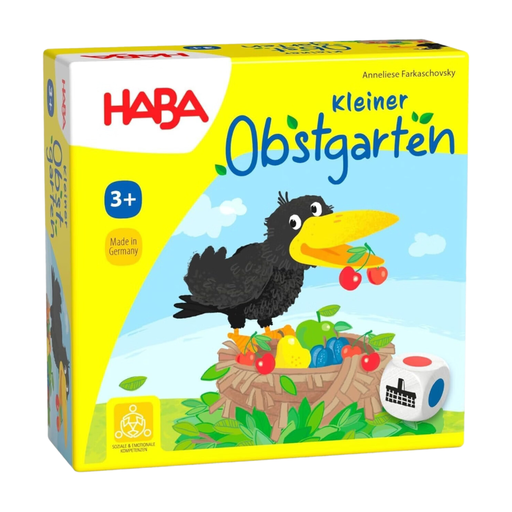
Why this product fits the profile: This compact game is aimed at children from 3 years and requires no batteries. The short playtime makes it ideal for first shared rounds at home or while travelling.
The details state age, number of players, playtime and material. This makes it easier to assess the effort and suitability before buying.
For 1 to 4 children, approximately 5 to 10 minutes playtime, wood and cardboard components, no batteries required.
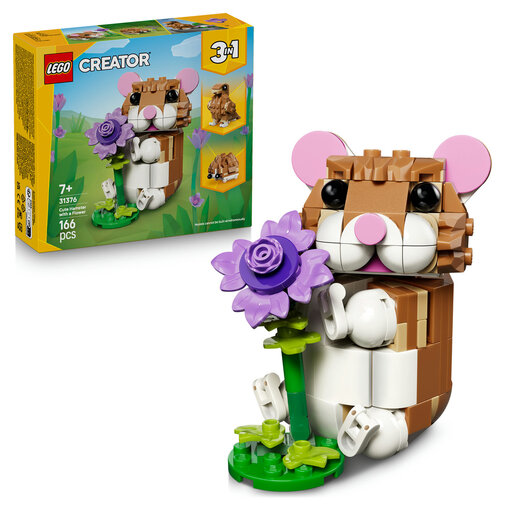
Why this product fits the profile: This 3-in-1 construction toy is designed for children from 7 years and offers several build options using the same bricks.
The product description states 166 bricks, the age level and the three possible animal models. The expected build scope is therefore clear.
166 pieces, movable elements, three build options and digital 3D building instructions via the LEGO Builder App.
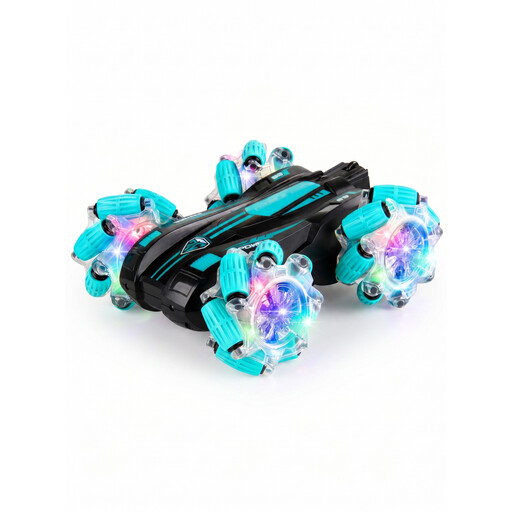
Why this product fits the profile: For children who prefer vehicles and active play, this RC stunt car offers various driving manoeuvres for indoor and outdoor use.
The description states the control type, battery, LED wheels and driving functions. Before buying, you should also check the charging time, range and suitability for the intended surface.
4WD drive, two-sided driving, 360-degree spins, sideways drifting and a rechargeable 3.7-volt battery.
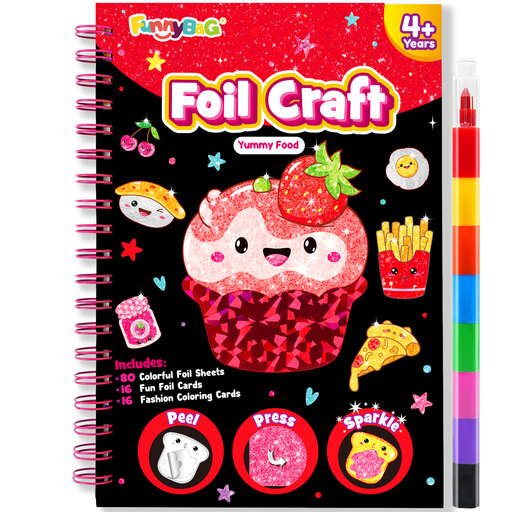
Why this product fits the profile: This craft set is recommended for children aged 4 to 10 and makes a compact, creative activity for home or on the go.
The contents are clearly described: foils, picture boards, cards and a spinning stylus. No glue or scissors are needed.
112 pieces, age recommendation 4 to 10 years, compact dimensions and a three-step application.
We’ve put together a full, regularly updated list of products that fully meet these strict selection criteria and the safety regulations in force in the EU.
Suitable options can include simple dice games, sturdy vehicles, age-appropriate puzzles and construction toys with a clear age recommendation. Small parts and strong magnets require particular attention. The individual maturity of the child remains key alongside the age rating.
The lifespan depends on the material, intensity of play, storage and care. Cardboard games should be stored in a dry place. For RC vehicles and magnetic components, regular visual inspection is recommended. Damaged pieces, exposed magnets or housings that no longer close securely should not be used.
Analogue games such as puzzles, dice games or many craft sets generally don’t need batteries. With RC stunt cars, factor in the rechargeable battery, charging cable and any batteries for the remote control. Before buying, it’s worth checking the full contents and the energy requirements.