
Lieferung heute & morgen

Qualitätsgarantie

Willkommens-Angebote freischalten: KOSTENLOSE Lieferung | Bis zu 80 % RABATT | Kostenlose 30-Tage-JoyPlus-Testphase
App herunterladen
Children's toys should suit their age, everyday routine and intended use. Whether you're looking for a gift for a child, a birthday present, something to keep them busy on a journey or an outdoor toy, many disappointing purchases aren't down to the price. They're more often caused by unclear age guidance, unsuitable dimensions or a lack of information about how to use the product.
As Joybuy Product Recommendation Officer, I assess products using clear, practical criteria. It’s not about blanket rankings, but about answering the question: which toy is right for which child and occasion?
“From age 3” doesn’t automatically mean a product is suitable for every three-year-old. Children vary considerably in height, fine motor skills and ability to follow instructions. If a toy contains small parts, check the warning as well. For example, the PLAYMOBIL Gift Set for the first day of school is intended for children aged 4 and over and contains small accessories. Use under the direct supervision of an adult is recommended.
Words such as “durable”, “safe” or “child-friendly” don’t tell you much on their own. Look instead for specific details such as material, number of pieces, dimensions, weight, age recommendation and any warnings. When choosing a children's scooter, handlebar height, deck size, number of wheels and braking options also matter.
A craft kit for home use needs to meet different requirements from a travel toy. A children's inflatable ride-on isn’t a swimming aid. Ride-on products must only be used under constant supervision and in suitable, controlled water areas. A sun hat for children won’t protect them from every outdoor risk, either: shade, breaks and suitable sun protection are still important.
Compare the age guidance on the product page and packaging with the child’s abilities. Check whether the product contains small parts, batteries, film or removable accessories. For a dinosaur building set for children aged 3 to 6, for example, consider the intended age group, the size of the parts and how they fit together.
Adults should supervise younger children during assembly and remove any damaged parts. Warnings such as “not suitable for children under 36 months” are safety information, not just a recommendation.
For plastic toys, details such as ABS, rounded edges or a chemical declaration can be helpful. The CE marking indicates that the manufacturer declares the product complies with the relevant EU requirements. However, it isn’t an independent quality mark and doesn’t replace checking the warnings, build quality and manufacturer information.
For craft products, the materials supplied and how easy they are to use also matter. A creative craft kit that doesn’t need glue or scissors may be suitable for journeys, but should still be used under supervision if it contains small individual parts.
A three-wheeled scooter with adjustable height may be a good option for children aged 3 to 10. However, you’ll still need to take the child’s height and the product’s permitted use into account. A wide deck, non-slip features and easy-to-understand steering are useful things to look for. A helmet and suitable protective gear are essential for outdoor rides.
When choosing a sun hat, head circumference, brim width, chin strap and material are key. The TOP-EX model is described as having an 8 cm-wide brim, an adjustable chin strap, mesh panels and UPF 50+ material. The stated UV protection applies to the material and doesn’t replace general sun protection measures.
The recommendations below match specific products to typical everyday situations. Details are based on the relevant product descriptions.
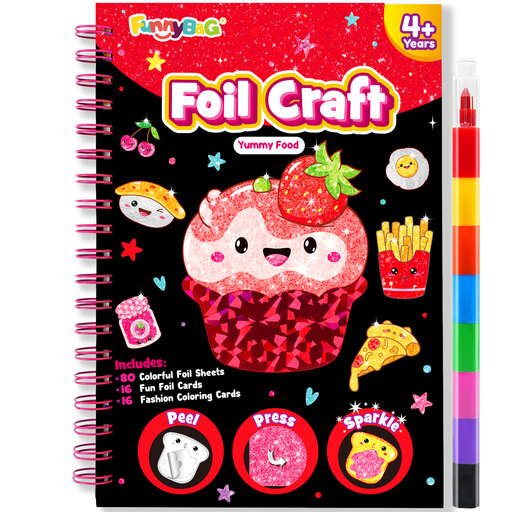
Why this product suits this profile: According to the product description, this foil art kit is for children aged 4 to 10 and is ideal for a quiet activity at home or on the go.
The instructions say to peel, place and press the pieces into position. No glue or scissors are needed, and the number of pieces and contents are clearly specified.
112 pieces, including 80 foil sheets, 16 design boards, 16 cards and an eight-colour pen; compact enough to take on the go.
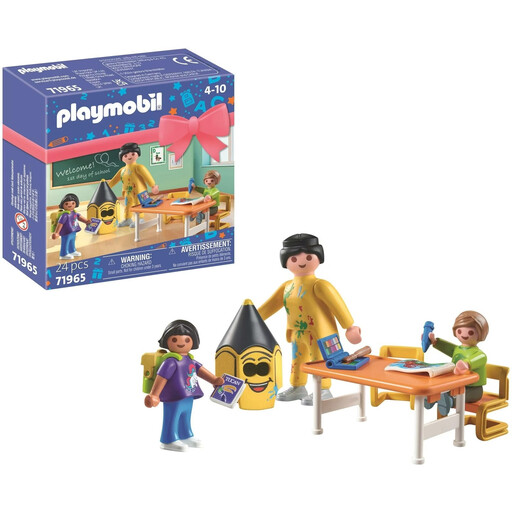
Why this product suits this profile: The set is listed for children aged 4 and over and combines figures with school accessories for imaginative play around starting school.
The product information lists the age recommendation, number of pieces and warning about small parts. This makes it easier to judge the level of supervision needed before you buy.
According to the product description, the set includes six figure and accessory pieces, a table and chair, plus a school bag, books and stationery.
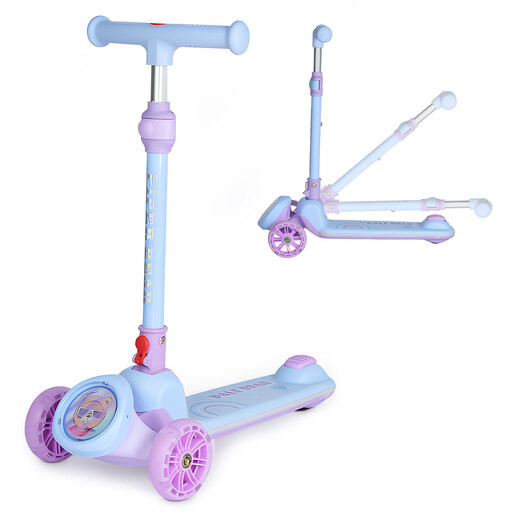
Why this product suits this profile: The product name indicates that this three-wheeled scooter is intended for children aged 3 to 10. It’s aimed at families looking for an outdoor toy for active journeys.
The adjustable height and wide, non-slip deck are clearly specified. Even so, check the child’s height against the product dimensions before ordering.
Three wheels, Lean-to-Steer steering, height-adjustable handlebars and illuminated wheels, according to the product description.
We’ve put together a complete, regularly updated list of products that meet these strict selection criteria and fully comply with the safety regulations in force in the EU.
That’s a wide age range. For children aged 3 to 6, simple construction and role-play toys with larger parts are often suitable. Depending on their development, children aged 4 and over can enjoy craft kits, figure playsets and foil art. For children aged 7 to 10, construction, rules and creative activities can be more complex. Always follow the product’s specific age recommendation.
Lifespan depends on the material, how much the toy is used, how it’s stored and how well it’s cared for. Regularly check wheels, joins, seams, air valves and small parts. Don’t continue using a product if you notice cracks, sharp edges or loose parts. Outdoor toys will last longer if they’re stored somewhere dry and sheltered from the weather.
A higher price doesn’t guarantee the right choice. Start by comparing what’s included, the material, age recommendation, spare parts or care guidance, and intended use. A small creative craft kit may be more useful for a journey than a large toy that barely gets used at home. What matters is choosing something that fits the child’s everyday life.