
Lieferung heute & morgen

Qualitätsgarantie

Willkommens-Angebote freischalten: KOSTENLOSE Lieferung | Bis zu 80 % RABATT | Kostenlose 30-Tage-JoyPlus-Testphase
App herunterladen
Children’s toys should suit the child’s age, interests and everyday life. With such a wide selection, many products initially appear versatile or particularly educational. However, a closer look reveals differences in age recommendations, materials, scope of play and safety information.
“For children” does not describe a sufficiently specific target group. A baby toy for 6 to 36 months has different requirements from a toy for children aged 3 and over or an experiment kit for children aged 8 and over. The official age recommendation, the size of individual parts and the level of adult supervision required are the key factors.
A toy with lights, sounds and numerous buttons may seem versatile. However, if it quickly becomes too loud in everyday use, requires batteries or is difficult to store, its usability may be limited. Before buying, it is therefore worth checking the power supply, volume control, dimensions and storage requirements.
With construction sets, craft toys and board games, you should check the exact contents. Does the set actually include figures, counters, shapes or accessories? Are batteries required? With LEGO sets for children, the number of pieces can also be a useful point of comparison, but it does not replace checking the age recommendation and the desired level of difficulty.
The manufacturer’s age recommendation is a key selection criterion. Products with small parts are unsuitable for younger children if there is an explicit choking hazard warning. For example, the manufacturer recommends the LEGO NINJAGO Zane's Battle Suit Mech 71827 for children aged 6 and over and points out that it contains small parts.
With experiment kits, you should also consider the individual steps involved. The KOSMOS Fun Science Gummy Candy Lab is designed for children aged 8 and over. According to the product description, working with hot water requires adult supervision and assistance.
With baby toys and toys for toddlers, rounded edges, secure connections and clear information about the materials used are particularly important. Details such as ABS plastic or plastic and metal should be clearly stated in the product description. Loose, damaged or cracked parts must be removed before use.
CE marking is compulsory for many toys. However, it is not a quality seal; rather, it indicates the declared conformity with applicable EU requirements. For products containing small parts, you should also read the warnings and recommended age limit.
Educational toys can support motor skills, creativity or logical thinking, but this does not automatically mean they offer an educational benefit for every child. The key question is whether the type of play suits the child:
Ongoing costs should also be included in the comparison. Board and card games generally do not require batteries. With electronic baby toys, you should check the battery compartment, volume and whether an automatic switch-off function is available. With musical instruments for children, you should also consider the noise level in your home environment.
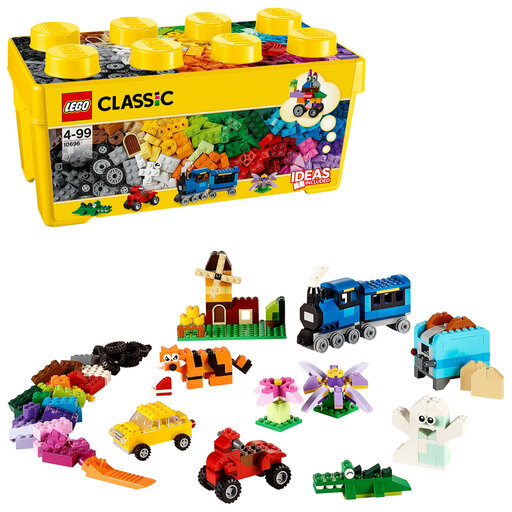
Why this product suits this profile: The box is designed for children aged 4 and over and includes a range of bricks, wheels and windows, as well as a storage box for open-ended building and rebuilding.
The contents are described as 484 elements and specific accessories. This makes it easier to assess the available building options before buying.
484 elements, 35 colours, storage box and building ideas; recommended for children aged 4 and over.
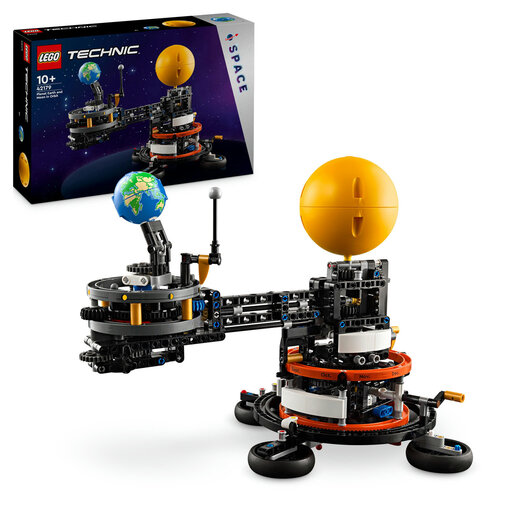
Why this product suits this profile: This construction set is designed for children aged 10 and over, combining detailed construction with a mechanically moving model.
The product details specify the age recommendation, dimensions, number of pieces and how it works. This makes it easier to assess the level of challenge, space requirements and scope of play.
526 elements; crank mechanism with the Sun, Earth and Moon; model dimensions of 24 × 33 × 18 cm.
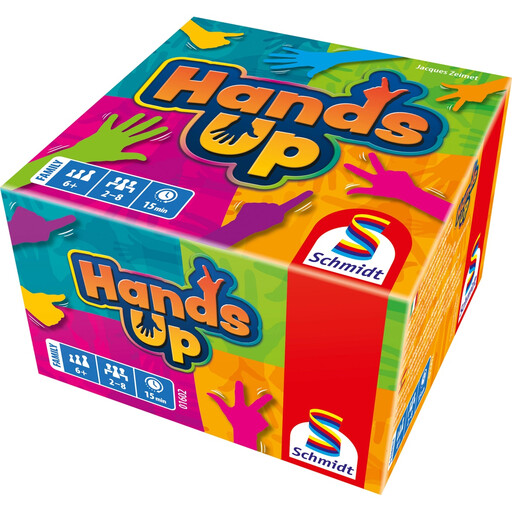
Why this product suits this profile: This card game is suitable for children aged 6 and over, requires no batteries and fits into many game collections thanks to its compact box.
The sturdy folding box and the described card stock are designed for repeated rounds of play. The specific type of game is clear before purchase.
From age 6; no batteries required; compact dimensions of 10 × 10 × 6,8 cm.
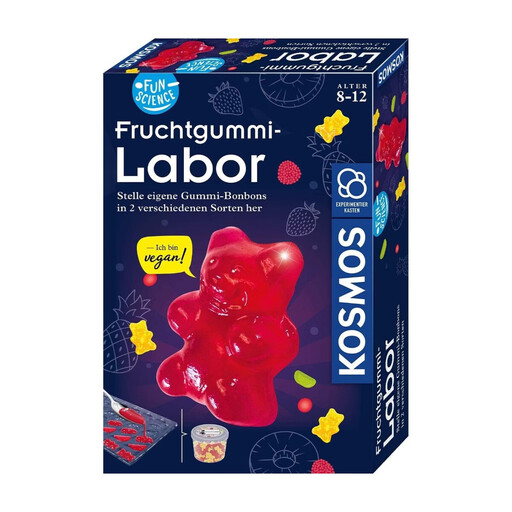
Why this product suits this profile: This set is designed for children aged 8 and over and is ideal for families looking for creative toys with guided experiments and a practical result.
The contents include mixtures, moulds, measuring cups, jars and instructions. The need for supervision when using hot water is explicitly taken into account.
Two flavours, moulds and four gift jars; recommended for children aged 8 and over.
We have put together a complete, regularly updated list of products that fully meet these strict selection criteria and the safety regulations applicable in the EU.
For babies and toddlers, activity tables with age-appropriate features are worth considering. With the model mentioned for 6 to 36 months, parents should plan to purchase batteries separately and regularly check the construction for damage. For musical instruments for children aged 3 and over, a xylophone or junior drum kit may also be suitable. When using loud instruments, children should not play with them directly next to their ears.
For children aged 6 and over, options besides LEGO sets for children include Jenga, Rubik’s Race and chess. The requirements differ considerably: Jenga is a manual dexterity game, Rubik’s Race is designed for two players, while chess relies more heavily on understanding the rules and practice.
Start by following the manufacturer’s information and the warnings. For babies, large, sturdy products that are easy to grip are important. Toys for children aged 3 and over can be more complex, but should still be free from small parts that can easily come loose. Construction sets and experiment kits often have a higher age limit.
The lifespan depends on the materials, construction, storage and intensity of use. Construction toys with many compatible parts can be used across several stages of development. With card games and musical instruments, parents should regularly check cards, sticks, strings and connections for damage.
Mechanical games and classic construction sets generally have no ongoing energy costs. Electronic products may require batteries. With experiment kits, consumable materials are the key consideration. Before buying, check whether batteries, refill materials or additional kitchen utensils are required.