
Lieferung heute & morgen

Qualitätsgarantie

Willkommens-Angebote freischalten: KOSTENLOSE Lieferung | Bis zu 80 % RABATT | Kostenlose 30-Tage-JoyPlus-Testphase
App herunterladen
The search for the right children's toy can quickly become overwhelming. Faced with countless options, aggressive advertising, and ever-changing trends, it's a challenge to find products that not only provide short-term enjoyment but are also safe and developmentally beneficial. As a Joybuy Product Recommendation Officer, I see daily the pitfalls that lead to disappointment and unnecessary expense. This guide is designed to help you make informed decisions.
A common mistake is buying toys based on short-lived hypes. A character from a current film might be captivating today, but a child's interest can fade just as quickly. The expensive toy then ends up unused in a corner. Another pitfall is imprecise age recommendations. The legal minimum age label, often due to small parts that can be swallowed, says nothing about the actual developmental value. A toy that is too complex for a child's age leads to frustration, while one that is too simple leads to boredom.
To ensure your choice provides lasting enjoyment, you should check three key aspects. These criteria will help you distinguish marketing promises from genuine product features.
Safety is non-negotiable. Always look for the CE marking. This symbol is a self-declaration by the manufacturer that the product complies with applicable EU regulations. For toys that might be put in the mouth, additional information such as BPA-free or phthalate-free is relevant. High-quality materials are not only safer but also more robust and resistant to intensive play, which directly impacts the product's longevity.
Good educational toys are not designed to test academic knowledge but to foster fundamental skills. These include problem-solving, fine motor skills, spatial reasoning, and creativity. Look for open-ended toys that allow for different solutions and ways to play. Building toys like interlocking bricks or construction sets are classic examples. They adapt to a child's growing abilities and remain engaging for years.
A toy's value increases when it can be integrated into or expanded upon with existing play worlds. Systems that are compatible with each other encourage more complex building projects and creative stories. This applies to building toys as well as family board games that offer new challenges through expansions. Such products provide significantly higher long-term value than standalone, single-function toys.
Based on the criteria above, we have selected a few products that are suitable for different needs and age groups.
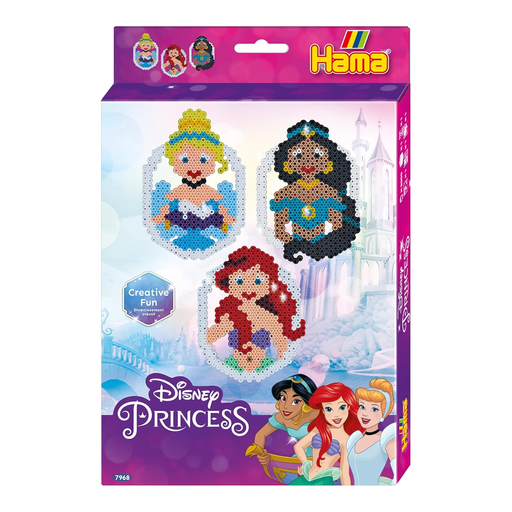
Why it's a great fit: This set is an excellent choice for families looking for a versatile creative toy with high play value at an accessible price. It provides hours of engagement and specifically promotes fine motor skills and concentration.
Unlike trend-based toys, this set offers limitless design possibilities. The finished creations can be reused as decorations or gifts, extending the play value beyond the crafting process itself.
Includes approx. 2,000 beads, two pegboards, and accessories. According to the manufacturer, the material is free of plasticisers like BPA and phthalates.
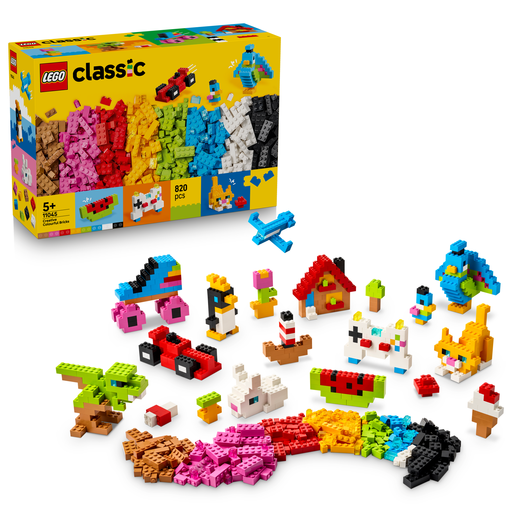
Why it's a great fit: For families who value durability, quality, and limitless play value. LEGO is the epitome of educationally valuable toys that last for generations and foster creativity.
This set is not tied to a trend or a character. It is a pure building toy that sparks the imagination and is virtually infinitely expandable due to its compatibility with all other LEGO bricks.
Contains 820 pieces in various colours. The ABS plastic used is known for its high precision fit and durability. Promotes STEM skills.
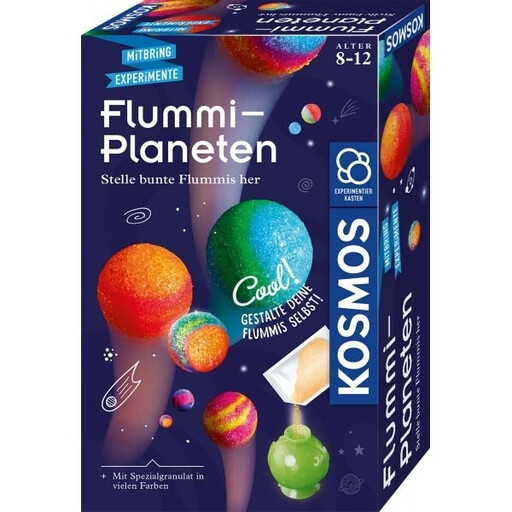
Why it's a great fit: Perfect for curious children who love to experiment. This set combines creative design with a scientific learning effect and is an excellent gift idea for children interested in science.
Instead of passive entertainment, this experiment kit demands active engagement. The process of mixing and moulding, as well as the result (bouncy planets), creates a tangible sense of achievement and imparts knowledge in a playful way.
Complete set with granules in 5 colours, moulds, and instructions. According to the manufacturer, the manual includes additional information about the solar system.
We've compiled a complete, up-to-date list of products that fully meet these strict selection criteria and European safety regulations.
The most important feature is the CE marking on the product or its packaging. It indicates that the manufacturer declares compliance with EU safety standards. You can also look for the voluntary GS mark ("Geprüfte Sicherheit" or "Tested Safety"), which is awarded by an independent testing body. Also, physically check the toy for sharp edges, loose parts, and sturdy construction. For toys intended for children under three, the warning "Not suitable for children under 36 months" is crucial due to small parts that can be swallowed.
This term describes toys that support a child's development in a natural and playful way. It's less about memorising facts and more about fostering core competencies. These include creativity (e.g., through creative toys), problem-solving skills (e.g., with puzzles or construction toys), fine and gross motor skills, and social skills, which are particularly encouraged by family board games.
The manufacturer's age recommendation is a starting point, especially for safety (e.g., toys for ages 3 and up). However, always consider the child's individual developmental stage and interests. A child who loves to build might handle a more complex building toy, while another might prefer simpler, imagination-sparking toys. Observe what the child enjoys playing with and choose products that build on that interest while offering a slight increase in challenge.