
Lieferung heute & morgen

Qualitätsgarantie

Willkommens-Angebote freischalten: KOSTENLOSE Lieferung | Bis zu 80 % RABATT | Kostenlose 30-Tage-JoyPlus-Testphase
App herunterladen
The search for the right children's toy can quickly become overwhelming. The selection is vast, manufacturers' promises are grand, and children's wishes often change in a flash. As a parent, grandparent, or relative, you want to find a gift that not only brings joy but is also safe and developmental. Yet, well-intentioned purchases often end up unused in a corner after a short time. This guide will help you navigate common pitfalls and make an informed decision.
Before we dive into important quality features, let's look at three common problems that lead to disappointment and unnecessary expense.
To avoid these traps, you should focus on objective criteria. Three parameters are crucial when selecting children's toys.
Safety is the top priority. In Germany and the EU, all toys must bear the CE marking. However, this is not an independent test seal but a self-declaration by the manufacturer that the product complies with EU directives.
A good toy offers more than just one function. Look for products that encourage exploration and experimentation.
Instead of making a one-size-fits-all recommendation, we have curated products for different age groups and use cases.
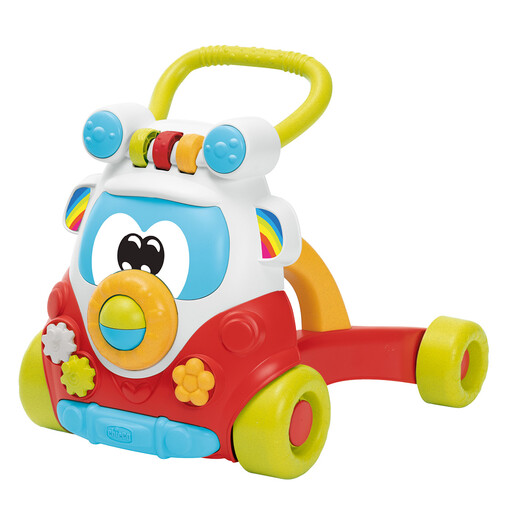
Why this product is a great fit: Ideal for toddlers taking their first steps. It serves as a stable support and encourages movement, while the integrated activity centre trains fine motor skills.
The 2-in-1 function as a walker and activity centre provides long-lasting play value beyond the first steps, thus avoiding the novelty trap.
Promotes balance and coordination; four large wheels ensure stability. According to the manufacturer, the material is BPA- and phthalate-free.
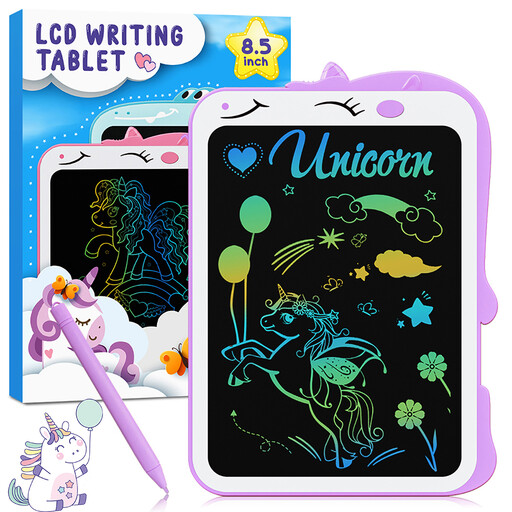
Why this product is a great fit: A lightweight, portable, and mess-free drawing and writing tool. Perfect as a creative toy for car rides, restaurant visits, or the waiting room, without needing paper or pens.
Its unlimited reusability via the one-touch erase button counteracts the novelty trap. According to the manufacturer, the material is non-toxic ABS plastic and complies with EU safety standards.
Fosters creativity without mess or waste. The light weight (105 g) and rounded edges are designed for children's ergonomics.

Why this product is a great fit: An educational toy that teaches geography and general knowledge in a playful way. Ideal as a birthday gift for a primary school-aged child who is curious about the world.
Four different game modes and over 9,000 facts offer tremendous depth of content and prevent boredom. The complexity is tailored to the recommended age group, avoiding the frustration gap.
Combines auditory and visual learning. Encourages independent learning and discovery through interactive elements.
We have compiled a comprehensive, up-to-date list of products that fully meet these strict selection criteria and German safety regulations.
Look for the CE marking as the legal minimum standard. Voluntary test seals like the GS mark ("Geprüfte Sicherheit" or "Tested Safety") offer additional assurance. Before buying, physically inspect the toy for sharp edges, loose small parts (especially for children under 3), and a neutral smell. For plastic products, labels like "BPA-free" are important indicators of a safer material choice.
Manufacturers' age ratings provide an initial orientation. However, your child's individual abilities and interests are what truly matter. Baby toys should primarily stimulate the senses (grasping, feeling, hearing). Toys for toddlers can already challenge motor skills and early logical connections. For older children, creative toys or educational toys that promote problem-solving skills become increasingly relevant.
The cleaning method depends on the material. Hard plastic toys can usually be wiped down with a mild soap solution. Wooden toys should only be cleaned with a damp cloth to prevent the material from swelling. For stuffed animals, follow the manufacturer's care instructions; many are machine-washable. For safety reasons, electronic toys should only be cleaned on the surface and never with water.