
Lieferung heute & morgen

Qualitätsgarantie

Willkommens-Angebote freischalten: KOSTENLOSE Lieferung | Bis zu 80 % RABATT | Kostenlose 30-Tage-JoyPlus-Testphase
App herunterladen
A children's traffic light is more than just a toy. It's a fundamental building block for teaching kids the rules of the road in a fun and safe way. However, the market is filled with a wide variety of models, and their differences in quality aren't always apparent at first glance. The wrong purchase decision often leads to frustration for both children and parents when the product fails to withstand the demands of active play.
This guide highlights the most common weaknesses in toy traffic lights and explains which technical features you should look for to find a durable and educationally valuable product.
Many parents invest in a road safety toy expecting it to be sturdy and educational. Unfortunately, not all products meet these criteria. Pay close attention to these three typical flaws:
To avoid the problems mentioned above, you should check three key product features before buying. These define the toy's functionality and safety.
A crucial quality feature is the base. Models with a base that can be filled with water or sand offer significantly greater stability. The added weight ensures the traffic light remains secure even during rougher play or on uneven ground. Look for this feature to be explicitly mentioned in the product description. A stable base is the foundation for safe fun.
A good traffic light with a light-up function should ideally offer two modes: automatic and manual.
The height of the traffic light plays a significant role in the play experience. A model that is 70 cm or taller will be at eye level for children sitting on a balance bike or bicycle. This enhances realism and engagement. Paired with other road signs for kids, you can build a complete mini traffic course that makes the rules of the road tangible. Also, check if the material is described as sturdy and suitable for outdoor use.
Based on the criteria above, we have selected a few products that are well-suited for different needs.
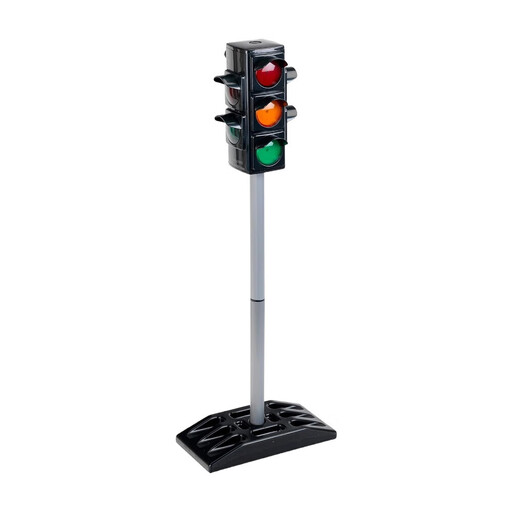
Why It's a Great Match: This model is ideal for parents and educators who prioritise hands-on road safety training. At 72.5 cm tall, the light is highly visible to children on ride-on toys and encourages a realistic play scenario.
The base can be filled with sand or water, solving the problem of instability. It also offers both automatic and manual light cycles, avoiding the pitfall of unrealistic light sequences.
Stable, fillable base for secure placement. Realistic light-changing function (automatic and manual) for high educational value.
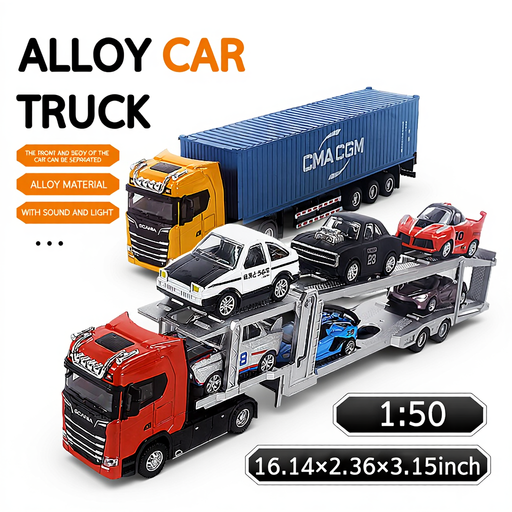
Why It's a Great Match: Perfect for children looking to expand their play world. This truck perfectly complements the traffic light, acting as a road user that must follow the rules they've learned. It encourages role-playing and imagination.
It escapes the trap of short-lived plastic toys. The sturdy alloy construction ensures durability, even during intense indoor and outdoor play.
Durable alloy construction for high longevity. Moving wheels and a realistic design encourage active and imaginative play.
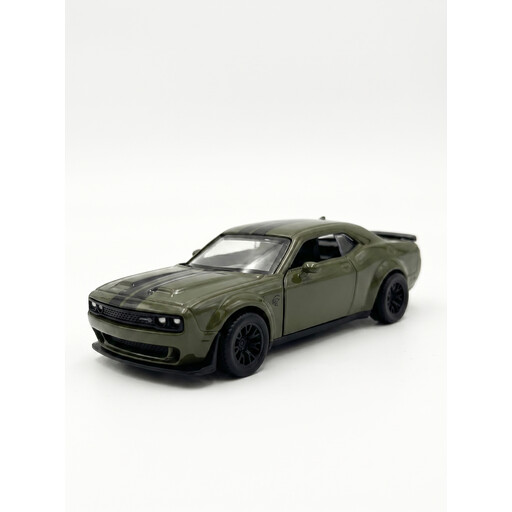
Why It's a Great Match: An excellent addition for detail-oriented kids and collectors. The model car can serve as another vehicle in the traffic scenario, and its compact size also makes it suitable for indoor play.
The die-cast metal body is extremely resilient, bypassing the problem of fragile toys. It's designed for play but also retains its value as a collector's item.
Durable metal body for robust fun. Opening doors and a pull-back function for interactive play options.
We have compiled a complete, real-time list of products that fully satisfy these strict selection criteria and UK safety regulations.
A children's traffic light is generally suitable for kids aged three and up. At this age, they begin to understand more complex rules and frequently use vehicles like balance bikes, scooters, or tricycles, making it the perfect time to practice stopping and going.
The required batteries vary by model. Many common traffic lights, like the Theo Klein model featured here, use standard AA batteries (also known as R6). It's wise to read the product description carefully, as batteries are usually not included with the purchase.
Although many models are designed for outdoor play, they are generally not fully weatherproof. To protect the electronics and plastic from damage caused by rain and intense sun exposure, it is recommended to bring the traffic light back indoors or into a sheltered area after play. This will significantly extend the product's lifespan.