
Lieferung heute & morgen

Qualitätsgarantie

Willkommens-Angebote freischalten: KOSTENLOSE Lieferung | Bis zu 80 % RABATT | Kostenlose 30-Tage-JoyPlus-Testphase
App herunterladen
Whether you’re going on a car journey, out for a walk or catching a flight, children’s travel and mobility accessories should make everyday life easier and suit how you’ll actually use them. Many unsuitable purchases aren’t down to missing features, but unclear compatibility, the wrong size or exaggerated claims.
This guide explains what to check before you buy, where common pitfalls lie and which accessories may suit different family needs.
When it comes to a pushchair organiser, sunshade or rain cover, “universal” may mean that the accessory fits many models – not necessarily every model. Before buying, check the frame shape, handle type, tube diameter and seat layout. This is especially important for a twin pushchair rain cover, as side-by-side and tandem seats have different dimensions.
A cup holder for a child car seat is also often model-specific. An accessory made for CYBEX i-Size and ISOFIX seats shouldn’t be attached to a seat from another brand unless this is approved.
LED wheels, extra padding or a modern design can be useful, but they don’t replace suitable safety features. When choosing an i-Size child car seat, an ISOFIX child car seat or a rear-facing car seat, the approval standard, your child’s height, the installation method and vehicle compatibility are what matter.
The ECE R129 or UN R129 standard classifies child car seats mainly by a child’s height. A seat may only be used within the height range specified. With ISOFIX models, you’ll also need to check vehicle approval, whether a support leg or Top Tether is required, and the instructions in the manual.
Children’s travel and mobility accessories regularly come into contact with drinks, dirt and the elements. That’s why removable covers, clear care instructions and sturdy fastenings are important things to look for. A material may be easy to care for without being designed to withstand prolonged UV exposure, extreme cold or constant damp.
First, check your child’s height against the manufacturer’s specifications. A seat for 125 to 150 cm isn’t suitable for a smaller child, even if their age seems about right. A child booster seat without its own harness is used with the vehicle’s three-point seat belt. The belt must sit correctly across the shoulder and pelvis.
For an ISOFIX seat, check the following:
A rear-facing car seat is installed facing away from the direction of travel. Depending on the model and height range, it may later be possible to switch to forward-facing. Always follow the details on the approval label and in the manual.
For rain covers, ventilation openings, visibility, fastening and suitable dimensions are all important. A rain cover must not be used as a sleeping surface, blanket or indoor cover. In direct sunlight, the temperature beneath a transparent cover can rise quickly.
A pushchair organiser should be securely attached, and you shouldn’t overload the pushchair. Too much weight on the handle can affect its stability. When choosing a pushchair sunshade, look for an adjustable fit, the ability to maintain eye contact and clear information about UV protection.
Choose a children’s suitcase based on its external dimensions, its own weight and the requirements of your airline. Cabin baggage limits vary between airlines. Wheels, a telescopic handle, fastenings and the internal layout have a greater impact on everyday practicality than a striking design.
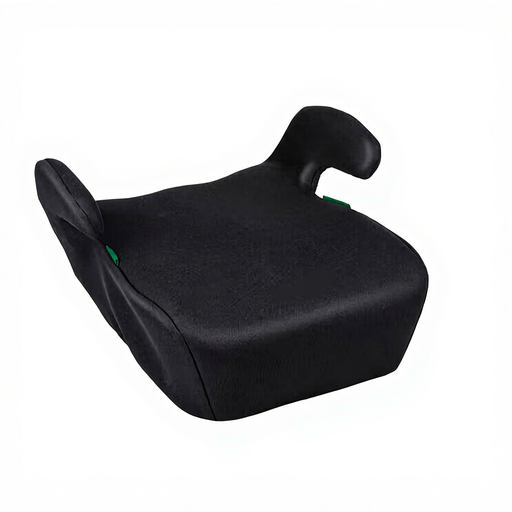
Why this product suits this type of family: This booster seat is designed for children between 125 and 150 cm. According to the product details, it weighs around 1 kg and is easy to move between vehicles.
The specified height range makes it clear who the seat is suitable for. It’s secured with a three-point seat belt, not a two-point belt that may appear to fit.
ECE R129 rating, removable washable cover, built-in armrests and a low weight.

Why this product suits this type of family: According to the product description, this rear-facing car seat has 360-degree rotation, ISOFIX with a support leg and several recline positions.
The details on height, weight, ISOFIX and the support leg make it easier to check the seat is suitable for your child and vehicle. Don’t add accessories from other manufacturers unless they’re approved for use.
UN R129/03 i-Size, 360-degree rotation, 12-position adjustable headrest and five recline positions.
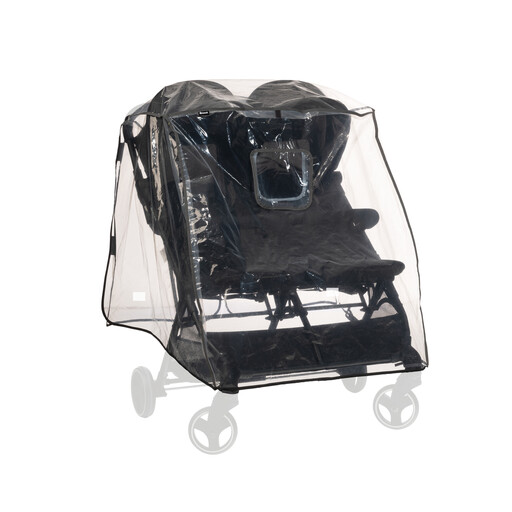
Why this product suits this type of family: This extra-large cover is designed for many double and sibling pushchairs, making it a useful choice for families out and about in changeable weather.
The product details specify its dimensions, ventilation slits and fastening with elastic and hook-and-loop tape. It’s still worth measuring your pushchair first.
Transparent design, side ventilation, folds compactly and, according to the supplier, fits several double pushchair models.
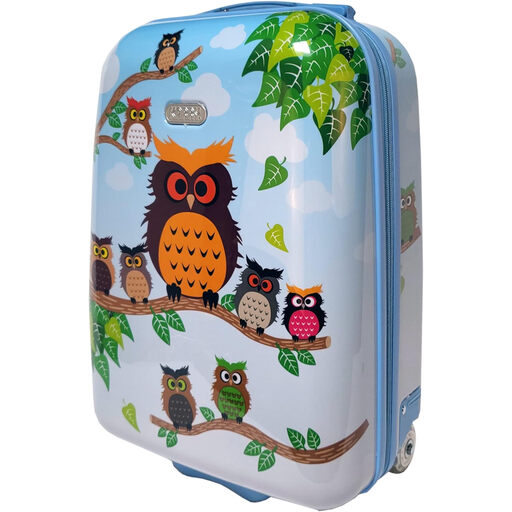
Why this product suits this type of family: Measuring around 20 x 34 x 51 cm and weighing 2.35 kg, this hard-shell suitcase is designed for travelling with children and has a separate padded compartment.
Check the external dimensions and weight against your airline’s baggage rules before buying. Avoid overloading the suitcase.
Hard shell, LED wheels, padded inner compartment and, according to the product description, designed as a cabin case.
We’ve put together a comprehensive, regularly updated list of products that meet these strict selection criteria and fully comply with the safety regulations in force in the EU.
The key things to consider are your child’s height, the approved seating position in your vehicle and the required installation method. ISOFIX alone isn’t enough to choose a seat. Depending on the model, you may also need a Top Tether, support leg or three-point seat belt. Check the manuals for both your vehicle and child car seat before installation.
How long they last depends on the material, how heavily they’re used and how well they’re cared for. Check a pushchair organiser regularly for damaged straps, hook-and-loop fastenings and seams. Replace rain covers if they develop cracks, become brittle or have blocked ventilation openings.
Prices vary depending on the product type, material, approval requirements and compatibility. For safety-related accessories, price shouldn’t be the only deciding factor. A clearly defined fit, transparent information about standards and suitable care instructions can help you avoid unsuitable purchases and replacements later on.