
Lieferung heute & morgen

Qualitätsgarantie

Willkommens-Angebote freischalten: KOSTENLOSE Lieferung | Bis zu 80 % RABATT | Kostenlose 30-Tage-JoyPlus-Testphase
App herunterladen
Whether you are looking for a children’s bicycle, tricycle, scooter, sledge or educational toy, the choice should involve more than just colour, design and advertised extra features. What matters is whether the product is suitable for the child’s age, height, intended environment and actual play habits. Before ordering online, parents, grandparents and other gift buyers should also check the safety information, what is included and how much maintenance is required.
An age recommendation is only a starting point. For a children’s bicycle, height, inside leg measurement and saddle height are often more important than age. With a scooter, the handlebar height, maximum permitted weight and brake design must be suitable for the child. A vehicle that is too large or heavy can make it harder to stay in control.
The same applies to toys: the label ‘from 3 years’ does not automatically mean that every child can play with the toy unsupervised. Small parts, balls and accessories may pose a risk to younger siblings.
Music, lights, remote controls and moving parts may look appealing, but they can create additional maintenance in everyday use. Batteries need replacing or rechargeable batteries need charging. With a remote-controlled stunt car, range, ease of operation and sufficient open space are also important.
A manual bowling and ring-toss game or a toy tipper truck works without batteries and can therefore be used more simply. The right choice depends on whether the child prefers building, being active, developing role-play scenarios or operating technical features.
Descriptions such as ‘robust’ or ‘safe’ are no substitute for specific details. Look for:
A reference to a standard should be understood as product information, not as a blanket guarantee for every type of use. The instructions, age recommendation and duty of supervision remain decisive.
For babies and toddlers, manageable, stable products such as an activity table for toddlers are suitable. Check that the feet, play surfaces and moving elements are sturdy. With a children’s tricycle, an adjustable push handle, a secure seat and a suitable footrest are practical features when an adult is accompanying the child.
Children from around three years old are often interested in vehicles that can be pushed, pulled or loaded, such as dinosaur cars or a toy tipper truck. With a children’s science kit, the recommended minimum age should be followed carefully, as the accessories and materials may require direct adult supervision.
Before buying, you should be clear about where the toy will be used or the vehicle ridden. A sledge requires suitable snowy areas and sufficient distance from obstacles. A scooter needs an even surface and appropriate protective equipment. For a remote-controlled stunt car, smooth floors or an area with obstacles that is nevertheless controlled are suitable.
Foldable models or compact sets are ideal for small homes. A marble run extension, for example, is only useful if you already have a compatible starter set. System compatibility and storage space should therefore be checked before buying.
Battery-free toys such as pull-back cars, tippers or ring-toss games do not need charging during use. Electronic educational toys, on the other hand, require batteries or a rechargeable battery. Check whether batteries are included and whether the compartment can be closed securely.
For vehicles, regular checks of the brakes, screws, wheels and joints are recommended. Sand, moisture and frost can place additional strain on materials and moving parts. A product with fewer, clearly understandable functions may require less maintenance in everyday use.
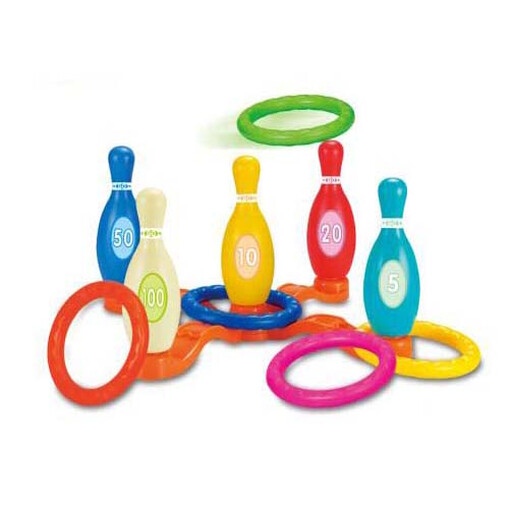
Why this product suits the profile: This manual set combines two types of game and can be used indoors or outdoors on an even surface.
It needs no batteries and offers two games despite its straightforward design. The ‘from 3 years’ label and supervision warning should be observed.
PP plastic, ten pins and five rings; designed for manual use without a power supply.
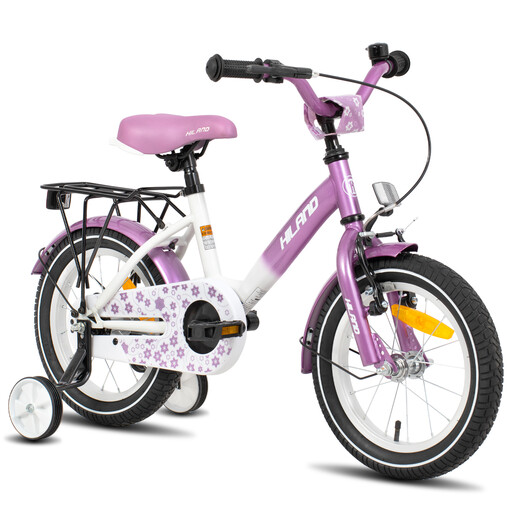
Why this product suits the profile: According to the product information, this model is intended for children aged 2 to 4 with a height of 80 to 105 cm.
The size recommendation specifies both the child’s height and the wheel size. Two braking systems, a chain guard and handlebar protectors are listed as specific features.
12-inch wheels, stabilisers, adjustable saddle, front V-brake and coaster brake; according to the supplier, delivered 90% pre-assembled.
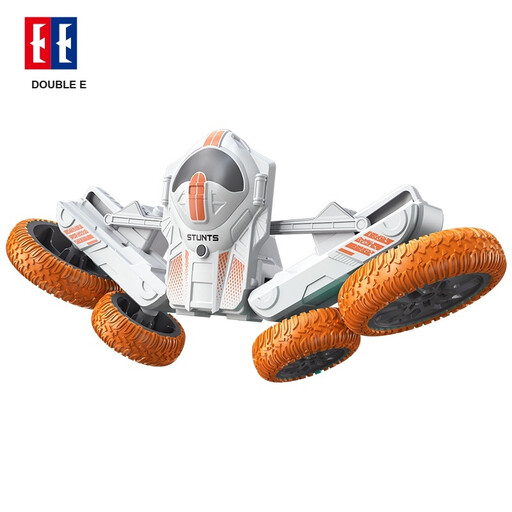
Why this product suits the profile: According to the product name, this vehicle is intended for children aged 6 and over and offers a motorised play option for indoors and outdoors.
This choice deliberately focuses on a clearly described way to play. Before buying, consider charging time, space requirements and supervision during fast movements.
2.4 GHz remote control, driving on both sides, 360-degree spins, LED light and music according to the product description.
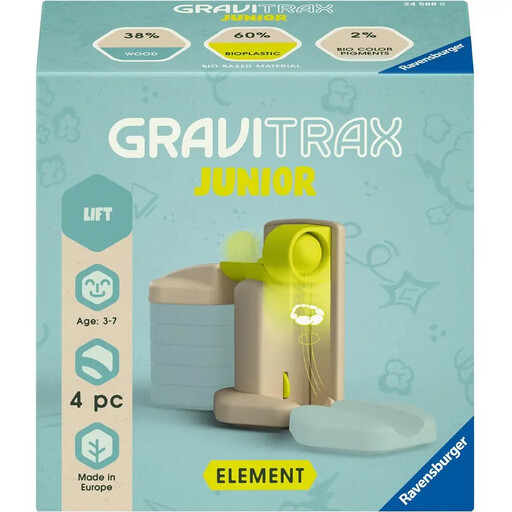
Why this product suits the profile: This extension is suitable for children aged 3 and over who enjoy building and want to expand an existing marble run.
Compatibility with GraviTrax Junior starter sets is explicitly stated. Small balls and components mean that the warning must be observed.
Lift element, ball and ramp; according to the product information, made from wood bioplastic and usable without batteries.
We have put together a complete, regularly updated list of products that fully meet these strict selection criteria and the safety regulations applicable in the EU.
Depending on age and interests, the following products may also be worth considering:
This depends on the child’s height, balance and motor skills. A tricycle with an adjustable push handle can allow accompanied use. Check the seating position, footrests, belts or holding devices, as well as the vehicle’s stability. A children’s bicycle should only be chosen if the size and brakes are genuinely suitable.
Their lifespan depends on the material, load, storage and care. Vehicles should be checked regularly for loose screws, cracks, damaged wheels and functioning brakes. Plastic toys should be protected from intense heat and cleaned after playing in sand. Products with visible damage should no longer be used.
Battery-powered educational toys incur battery costs depending on how long they are used. Rechargeable batteries reduce consumption, but require charging time and safe storage. Battery-free products such as marble runs, pull-back cars and ring-toss games do not incur electricity costs during use.