
Lieferung heute & morgen

Qualitätsgarantie

Willkommens-Angebote freischalten: KOSTENLOSE Lieferung | Bis zu 80 % RABATT | Kostenlose 30-Tage-JoyPlus-Testphase
App herunterladen
Children’s vehicles and outdoor toys are part of everyday life for many families — on the school run, in the park, in the garden or on a winter day out. The range spans from a children’s scooter and children’s bike to a kite or a steerable sledge. Eye-catching designs and big promises, however, say little about whether an item suits your child’s age, height and the way you plan to use it.
Three common buying mistakes often lead to poor choices:
With a children’s bike, wheel size is only part of the decision. Just as important are inside leg measurement, saddle height, frame shape and the bike’s weight. A 16-inch model such as the RoyalBaby EZ Stargirl is, according to the product information, offered for heights of around 36 to 42 inches. You should compare the manufacturer’s figures with your child’s actual measurements.
A balance bike is generally suitable for children who can sit and steer confidently. The crucial points are a suitable saddle height, a manageable overall weight and a sturdy handlebar. With a 4‑in‑1 children’s ride-on with push bar, you also have the added control of an accompanying adult.
For every product, also observe the maximum load. For the HAMAX steerable sledge SNO Formula, the stated maximum load is 80 kg for one person. This figure doesn’t replace the age guidance or the need for adult supervision.
A children’s scooter should steer predictably and have a brake the child can reach. The Ladped LP65 lists a dual braking system, a top speed of 15 km/h and 6.5‑inch solid tyres. According to the product description, this electric scooter for kids is intended for 6‑ to 12‑year‑olds. Before use, parents should check whether speed, stopping distance and controls suit their child.
An electric vehicle is not automatically allowed on pavements, cycle paths or roads. In Germany, special requirements apply to the public highway. Always check the manufacturer’s information, product labelling and local regulations before use. Private areas also need safe riding conditions: level ground, sufficient space and adult supervision.
For a steerable sledge for children, intuitive steering and an effective brake are especially important. According to the product description, the HAMAX SNO Formula offers both steering and braking. On slopes, ice or in heavy snowfall there remains a risk of losing control. Only use it on open, clearly visible slopes without roads, trees or other obstacles.
Material information helps assess day-to-day suitability, but it doesn’t replace proper care. According to the manufacturer, the HAMAX steerable sledge is made from HDPE, which is intended to remain flexible at low temperatures. After use, store the sledge dry and clean.
For the RoyalBaby XCOOL children’s bike, the listing mentions an aluminium frame, Kenda tyres, disc brakes, mudguards and a 30‑lumen hub dynamo. According to the description, the model is designed for paved roads, cycle paths and light off‑road use, not for jumps or extreme downhill riding. After assembly, check the brakes, saddle, handlebar and quick releases.
Outdoor toys for children also need an appropriate place to use them. Only fly a kite in an open area, away from power lines, traffic and dense trees. Keep bubble or foam machines away from eyes and face. Small parts and batteries must be kept out of reach of younger children.
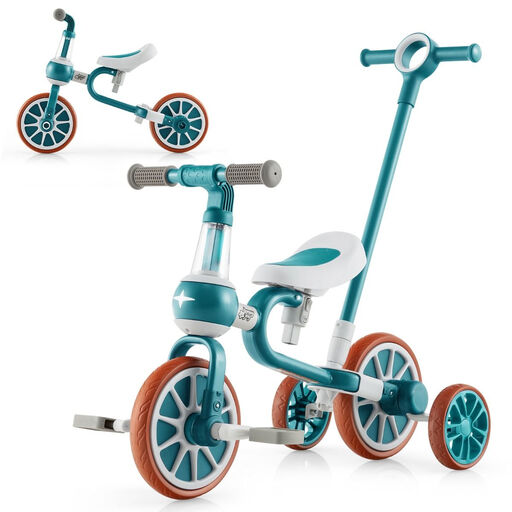
Why this product suits the profile: The 4‑in‑1 concept appeals to families seeking a versatile pre‑school vehicle for accompanied outings.
The push bar allows an adult to accompany and assist when the child can’t yet ride independently at all times.
Multiple modes of use and stated dimensions of 37 × 72 × 101 cm. Check assembly and safety guidance before the first ride.
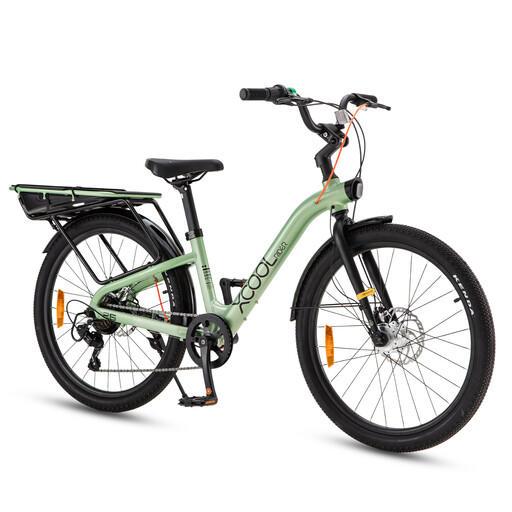
Why this product suits the profile: For older children and teenagers who ride to school regularly, adjustable components and everyday-ready equipment can make all the difference.
The stated suitable height of 150 to 178 cm helps with preselection. Parents must still compare these figures with their child’s measurements before buying.
Aluminium frame, disc brakes, mudguards, hub dynamo and a luggage box with a stated load limit of 25 kg.
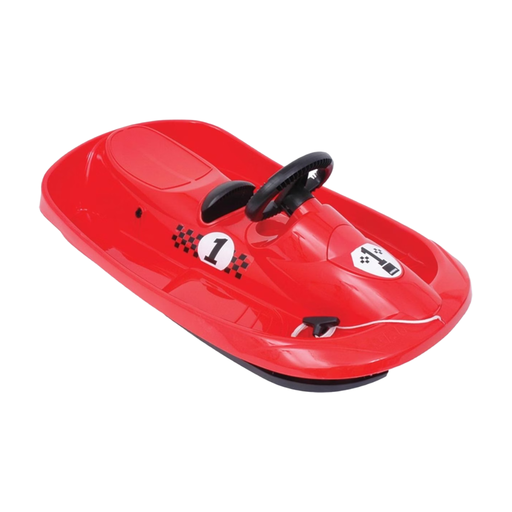
Why this product suits the profile: This steerable sledge is aimed at families looking for a seasonal vehicle for snowy outings with steering and braking functions.
The age guidance from 3 years is accompanied by a note about adult supervision. Pay attention to small parts and the load limit.
HDPE construction, steering and brake; according to the product listing, CE and TÜV certified. Certificate details should be available to view when purchasing.

Why this product suits the profile: A delta kite is a simple option for the park, beach and family activities — no battery or charger required.
Explicitly recommended for use in an open area under supervision, which helps account for the often overlooked factor of location.
One piece per pack, vibrant delta design and no batteries needed. Check wind strength and surroundings before launch.
We’ve put together a comprehensive, continually updated list of products that fully meet these strict selection criteria and the safety regulations applicable in the EU.
That depends on handlebar height, weight, brake design and motor development. A non‑motorised children’s scooter is often marketed for younger children, whereas an electric scooter for kids brings additional requirements for supervision, speed and place of use. The manufacturer’s guidance is only a starting point. Parents should check whether their child can steer, brake and stop safely.
Service life depends on growth, load, storage and maintenance. Adjustable saddles and handlebars can extend the usage period. Wear parts such as tyres, brake pads, grips and fasteners should be checked regularly. Replace or retire a vehicle if the frame, fork, steering or braking system is damaged.
With a kite or a simple scooter, there are generally no ongoing energy costs. Electric models need regular charging; depending on the product, you may also need spare parts or a battery replacement. Bikes occasionally need tyre pressure checks, chain care and, if necessary, replacement of brake or wear parts. Covers, dry storage and cleaning after use can all help maintain usability.