
Lieferung heute & morgen

Qualitätsgarantie

Willkommens-Angebote freischalten: KOSTENLOSE Lieferung | Bis zu 80 % RABATT | Kostenlose 30-Tage-JoyPlus-Testphase
App herunterladen
Children’s vehicles range from simple ride-ons and tricycles to electric models. For parents and grandparents, the choice isn’t always straightforward: product images often showcase plenty of features, while key details such as speed, load capacity or brakes are less prominently displayed.
Before buying, it’s worth checking for three common pitfalls:
The age recommendation is a first guide. Equally important are:
A vehicle listed as suitable from age 3 can vary greatly depending on its design. A tricycle is usually easier for younger children to access than a scooter. For an electric motorbike, pay very close attention to the technical details: the RFN Warrior Kids SX-E250 is listed for ages 3 to 6 and heights of 90 to 110 cm. The SX-E350 is stated for ages 4 to 8 and 100 to 120 cm. These figures should not be applied to every child across the board.
For a children’s scooter, a low deck height, a non-slip standing area and an easily reachable foot brake are key features. A foldable kids’ scooter is also handy if you need to stow it in the car or at home. However, the folding mechanism must lock securely and must not be operable while riding.
Electric models need a more nuanced assessment. According to the description, the 12-inch electric motorbike offers three speed levels of 8, 12 and up to 25 km/h. The 14-inch model lists three levels up to 30 km/h. Such vehicles are not comparable to a regular children’s scooter. Use only under direct supervision, with suitable protective equipment and on appropriate private spaces is especially important.
Music, USB port, lights or a remote control can enhance play. For daily use, other details often matter more:
A children’s vehicle with a remote control can provide extra parental control for younger kids. However, the remote should not lead to children riding without instruction or out of line of sight. Before buying, also check the warnings, assembly instructions and details of the responsible person within the EU. CE marking is a mandatory conformity marking, not an independent quality seal.
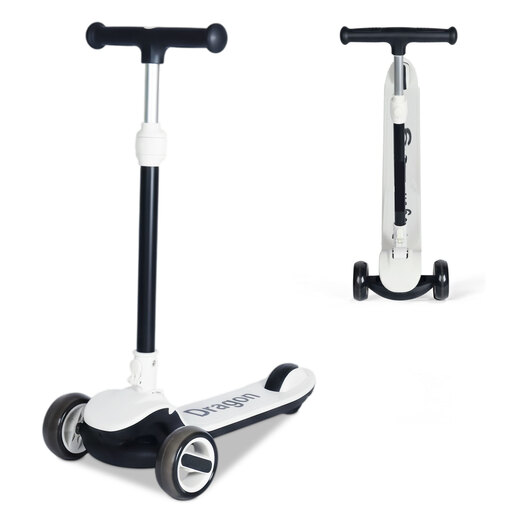
Why this product fits the profile: According to its name, this three-wheeled scooter is intended for children aged 3+ and is aimed at families seeking a non-motorised vehicle for short outdoor trips.
The wide deck, three wheels and foot-operated brake are more clearly described than purely decorative features. The 30 kg load limit should be checked against the child’s weight before purchase.
Three-wheel platform, wide standing area, foot brake and light-up wheels as stated in the product name.
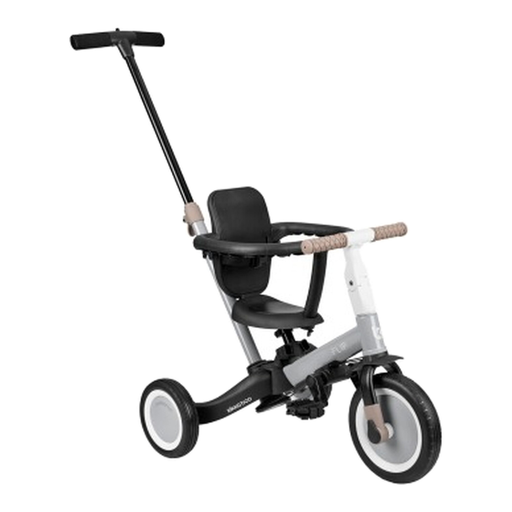
Why this product fits the profile: According to the listing, this 5-in-1 tricycle is designed for ages 1 to 5 and can be adapted from a push mode to independent riding.
The age range is supported by an adjustable seat, height-adjustable push bar and a 2-point harness. This makes the adjustability more concrete than a vehicle with just one fixed configuration.
Five modes of use, high-carbon steel construction, 5.6 kg net weight and compact dimensions.
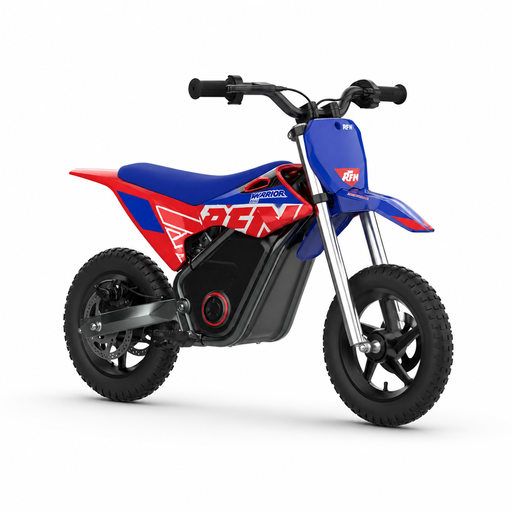
Why this product fits the profile: According to the listing, this electric children’s motorbike is designed for ages 4 to 8 and is aimed at families with a suitable private off-road area.
Three speed levels, a parental speed limiter, and front and rear brakes are specified as concrete functions. The top setting of 30 km/h calls for especially careful area selection and supervision.
36 V battery with 5 Ah, stated range of 18 km, 14-inch tyres and suspension according to the product data.
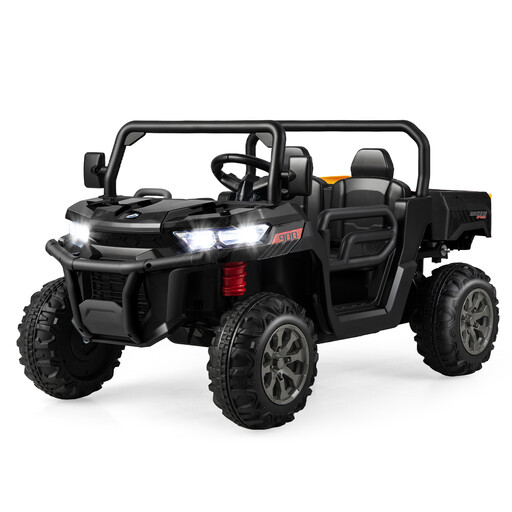
Why this product fits the profile: This two-seater electric car for children is listed for ages 3 to 8 and features a 2.4 GHz remote control for parental operation.
The product data specify a soft-start function, safety belt, an emergency stop button on the remote, and a top speed of 3 to 8 km/h. These are verifiable details rather than generic safety claims.
Two-seat configuration, load capacity up to 50 kg, 12 V battery and parental remote control as described.
We’ve compiled a complete, continuously updated list of products that fully meet these strict selection criteria and the safety regulations in force in the EU.
Before the first ride, check screws, handlebars, wheels, brakes and, where applicable, the safety belt. For electric models, also check the charger, battery connections and emergency stop switch. The stated range depends on factors such as load, surface, temperature and riding style.
Children should wear appropriate protective gear. Children’s scooters and tricycles are not for road use unless the product is expressly approved for it. Electric ride-on vehicles should be used on clear, private areas with sufficient distance from stairs, vehicles and water. After riding, store the product in a dry place; chargers and batteries should be used according to the manufacturer’s instructions.
That depends on height, balance and experience. A three-wheeled children’s scooter or a ride-on offers a different starting point than an electric model. Age recommendation, load limit and dimensions need to be considered together.
Runtime varies with battery, motor output, weight, surface and speed. A stated range such as 18 km is a comparative value from the product data, not a guaranteed distance under all conditions. Charging time and the availability of a spare battery should be checked before purchase.
Many children’s scooters have a rear foot brake. It should be easy to reach and regularly checked for secure fit and function. In addition, a helmet and supervision are part of responsible use; a brake alone does not replace a safe riding environment.