
Lieferung heute & morgen

Qualitätsgarantie

Willkommens-Angebote freischalten: KOSTENLOSE Lieferung | Bis zu 80 % RABATT | Kostenlose 30-Tage-JoyPlus-Testphase
App herunterladen
Children’s shoes have to withstand a lot in everyday life: the journey to school, trips to the playground, outings, rainy days and spontaneous activities. At the same time, children’s feet grow quickly. A size that seems to fit can therefore start to feel tight after a short time or provide too little support when walking.
When buying children’s shoes, three common pitfalls in particular can lead to unnecessary expense:
The age recommendation in product descriptions is only a rough guide. It is better to measure both feet while standing, from the heel to the longest toe. The longer foot is the one that matters.
Parents should check the following points to assess the fit:
Brands sometimes use different sizing systems. Crocs shoes show US sizes on the sole, so the corresponding size chart should be used. PUMA provides the foot length in centimetres as a guide. If the measurement falls between two sizes, the larger option may be suitable – provided the shoe does not then fit too loosely.
Lightweight children’s shoes made from EVA or Croslite are easy to put on and clean. Ventilation openings can be comfortable in warm weather. At the same time, open designs offer less protection from stones, thorns or the cold.
Different models suit different situations:
No single model is suitable for every situation. Choosing children’s shoes according to how they will be used is more likely to prevent a poor purchase than selecting them solely by colour or brand name.
A textured outsole can provide more grip on smooth or wet surfaces. However, its actual suitability depends on the sole design, the surface and the condition of the footwear. When choosing slip-resistant children’s shoes, parents should therefore look for a clearly described tread pattern and check the shoes regularly for signs of wear.
Practical details are also important:
When it comes to safety information, it is important to distinguish between a product feature and a legal assurance. The EU General Product Safety Regulation sets requirements for safe consumer products. A specific standard or marking should only be mentioned if it is actually stated in the product documentation. For children’s shoes, the material details and care instructions provided with the individual product are also essential.
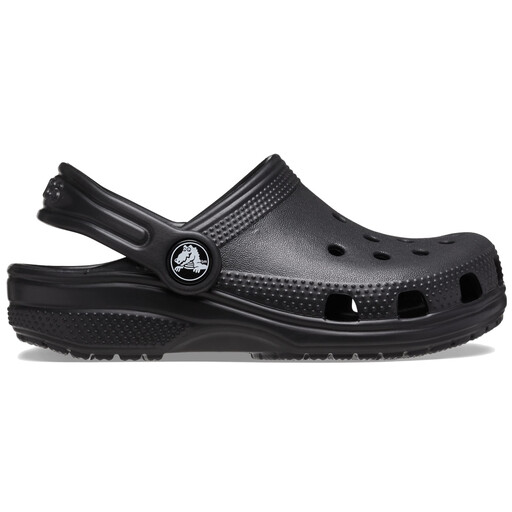
Why this product suits this profile: This model is designed to be easy to put on and take off, making it suitable for the garden, leisure time, school and short walks. According to the product information, sizes range from EU 28/29 to 38/39.
The size chart and pivoting heel strap help you avoid choosing solely based on age. The fit should still be checked on the foot.
Croslite upper, ventilation openings, wipe-clean surface and an EVA sole described as offering enhanced slip resistance.
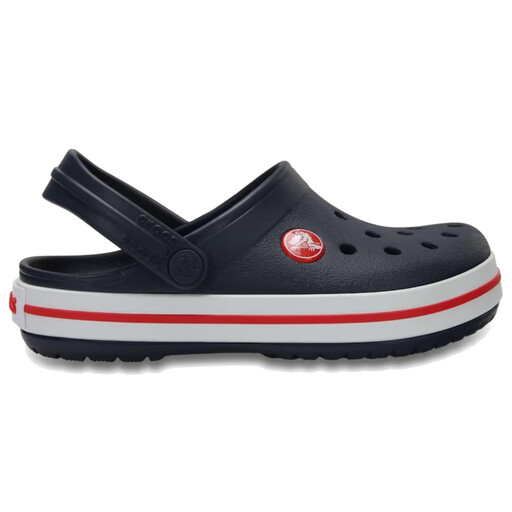
Why this product suits this profile: The sporty stripe design is combined with a contoured footbed, an adjustable strap and an easy-care construction for regular leisure use.
According to the product information, foot length should be measured before purchase and checked against the size chart. Clean with water and soap, not in the washing machine.
Lightweight Croslite material, pivoting heel strap, contoured support surface and easy care.
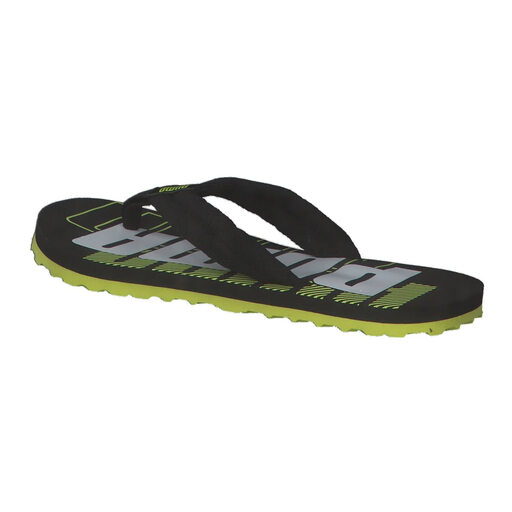
Why this product suits this profile: These sandals are designed for children aged around 4 to 8 and are suitable for the pool, beach, leisure time and warm days. The open design is not intended for cold conditions or situations requiring substantial protection.
Foot length is matched in centimetres. The textured EVA outsole is described as providing improved grip; care is still needed when walking on wet surfaces.
Woven straps, contoured EVA footbed, lightweight CMEVA midsole and a textured EVA outsole.
We have put together a complete, regularly updated list of products that fully meet these strict selection criteria and the safety regulations applicable in the EU.
The shoe should not press directly against the toes. At the same time, the extra room must not be so generous that the heel slips or the child loses the shoe while walking. The specific recommendation depends on the shoe’s construction and the manufacturer’s size chart. Foot length should therefore be measured again regularly.
Children’s clogs can be practical for short walks, indoors, in the garden and during leisure time. Whether they are suitable for everyday school use depends on the school’s requirements, the activity and the fit. For sports, longer walks or uneven ground, closed shoes with greater support may be more suitable.
Their lifespan depends on growth, frequency of use, the material and care. Parents should regularly check the sole, heel strap, inner lining and stitched areas. A shoe that looks clean can still be too small or have a worn outsole. If there is significant wear or the shoes are causing pressure points, replacing them is preferable to simply continuing to use them.