
Lieferung heute & morgen

Qualitätsgarantie

Willkommens-Angebote freischalten: KOSTENLOSE Lieferung | Bis zu 80 % RABATT | Kostenlose 30-Tage-JoyPlus-Testphase
App herunterladen
Finding an authentic chili oil can be a challenge. Many commercially available products often deliver only heat, lacking the complex aromatics that define a high-quality Asian seasoning oil. For those who want to not just add spice but truly enrich a dish's flavor, you need an oil that brings depth, fragrance, and a balanced spiciness.
My name is Joybuy, and as a Product Recommendation Officer at Joybuy, my job is to provide you with clear guidance through the diverse market. This guide will introduce different types of chili oil and help you make an informed decision that suits your culinary preferences.
To find the right product, it helps to understand a few key characteristics. The following points will guide your selection.
The region of origin significantly shapes the character of a chili oil.
A look at the ingredients reveals a lot about quality and taste. A good aromatic chili oil uses a neutral oil base, like rapeseed oil or soybean oil, which absorbs the flavors of the chilies and spices without overpowering them. The ingredient list should be clear and easy to understand. High-quality products use whole spices that are slowly infused into the oil to release their aromas.
Heat is subjective. A spicy chili oil doesn't have to be extremely hot. More important is the balance between heat (La, 辣) and aroma (Xiang, 香). Some oils are primarily fragrant with mild heat, while others offer an intense, lingering spiciness. Consider whether you want to use the oil as a primary seasoning or as a subtle enhancement.
Based on the criteria above, we've curated a selection of chili oils that cover different flavor profiles and uses.
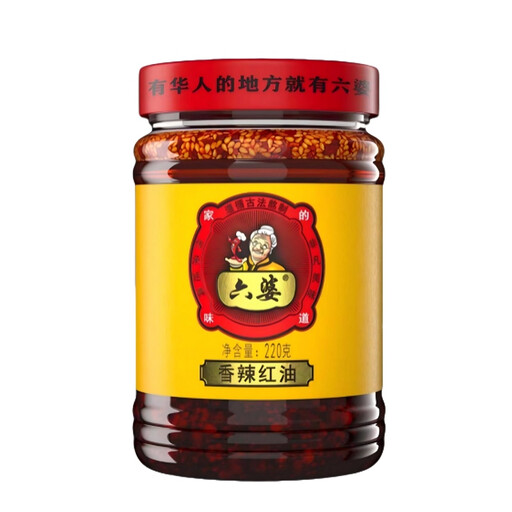
What makes it special: This oil represents the authentic Sichuan style. It's slow-cooked with rapeseed oil, fresh chilies, and a blend of natural spices. The result is a bright red, intensely fragrant oil with a high concentration of sesame seeds.
Benefits:
Who it's for: Ideal for newcomers to Sichuan cuisine and anyone looking for an aromatic, not overly spicy Chinese chili oil. It's excellent for cold noodle dishes, as a dip for dumplings, or for drizzling over rice and vegetables.
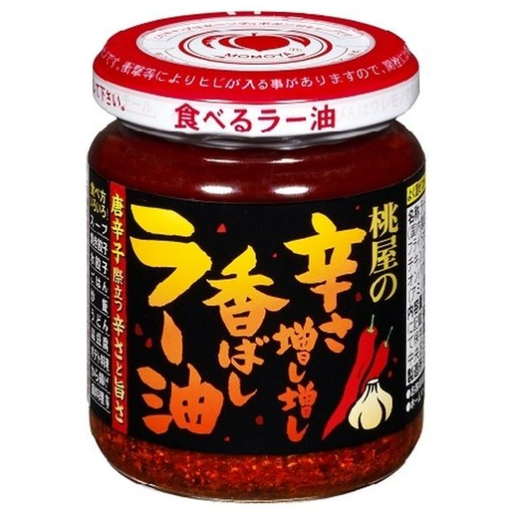
What makes it special: A classic Japanese chili oil (rāyu) with crispy elements. The combination of rapeseed oil, chili peppers, toasted sesame, fried onions, and garlic creates a deep, savory umami flavor and a pleasant texture reminiscent of chili crisp.
Benefits:
Who it's for: For lovers of Japanese cuisine seeking a versatile chili oil for ramen, gyoza, rice dishes, or tofu. Anyone who appreciates the taste of roasted garlic and onion will enjoy this oil.
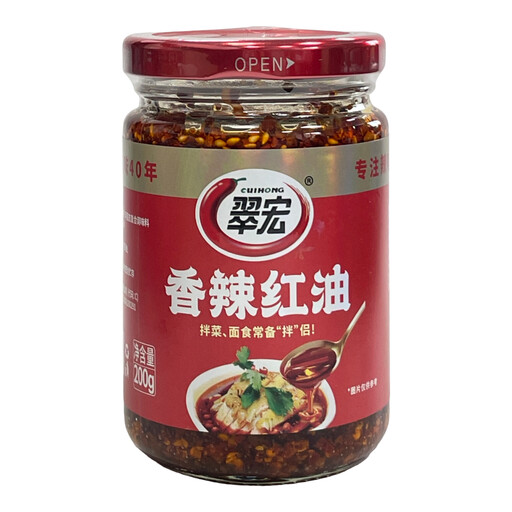
What makes it special: This Sichuan chili oil focuses on the essentials: fragrance and color. Made from rapeseed oil, chilies, sesame, and spices, it captivates with its intense, spicy aroma and deep red hue. It is a pure, fragrant seasoning oil without many solid components.
Benefits:
Who it's for: For purists seeking an authentic, highly aromatic spicy chili oil without distracting textures. It's the perfect choice for instantly adding aromatic depth and an appealing color to noodle soups, salads, or steamed dishes.
The world of hot spices is vast and diverse. Chili oil is just one of many ways to add a spicy kick to your dishes. If you want to broaden your search and explore other seasoning options, you can find more products to give your meals the desired heat in our hot chili powder category.
Chili oil is primarily the oil itself, infused with chilies and spices. While it may contain small particles, it is mostly liquid. Chili crisp, on the other hand, contains a high proportion of solid, crispy ingredients like fried chili flakes, garlic, onions, or soybeans preserved in oil. The focus here is on both flavor and texture.
Asian seasoning oil is extremely versatile. Here are some common uses:
To preserve its aroma and color, chili oil should be stored in a cool, dry, and dark place. Direct sunlight can cause the oil to lose flavor and its color to fade. After opening, ensure the jar is always tightly sealed. Follow the storage instructions on the product's label.