
Lieferung heute & morgen

Qualitätsgarantie

Willkommens-Angebote freischalten: KOSTENLOSE Lieferung | Bis zu 80 % RABATT | Kostenlose 30-Tage-JoyPlus-Testphase
App herunterladen
Finding the right chili oil can be a challenge. The market is vast, and the differences in flavour, texture, and heat level are significant. Whether you're looking for a hot chili oil for an extra kick, an aromatic Asian condiment oil to elevate your dishes, or a crunchy chili crisp as a topping, choosing the right product is key to an authentic flavour experience.
This guide is designed to give you a clear overview of the different types of chili oils and to present a curated selection of products. As your Joybuy Product Recommendation Officer, I have gathered information to help you make an informed decision and find the chili oil that meets your culinary needs.
To find the perfect product for your needs, it helps to have some basic knowledge of the different varieties. Here are three aspects to consider in your selection.
A key distinguishing feature is the texture. A classic chili oil is a pure, infused oil that draws its heat and aroma from the chilies and spices steeped in it. It is liquid and is excellent for drizzling, for dressings, or as a base for sauces.
In contrast, there is chili crisp. This product contains not only oil but also solid, crunchy components. These often include roasted chilies, fermented soybeans, peanuts, fried garlic, or onions. This variety offers not just heat, but also an interesting texture and a complex umami flavour.
The oil's origin often indicates its flavour profile.
It's always wise to check the ingredients list. The type and quantity of chilies used determine the heat level. Products specifically labelled as hot chili oil typically contain more potent chili varieties. A chili garlic oil, on the other hand, focuses on the combination of these two flavours. If you prefer a milder spice, look for oils where other spices and aromas take centre stage.
Based on the criteria above, we have compiled a selection of different chili oils that cater to various flavour profiles and applications.

Why It Stands Out: Lao Gan Ma is an iconic brand whose chili crisp is known worldwide for its rich, savoury, and complex flavour profile. It combines heat with umami and aromatic spices. The signature blend of crunchy ingredients like peanuts and tofu provides a varied texture.
Pros:
Who It's For: Anyone looking for a Chinese chili oil with more than just heat. Ideal for lovers of crunchy textures and a deep, multi-layered flavour that instantly elevates simple dishes.
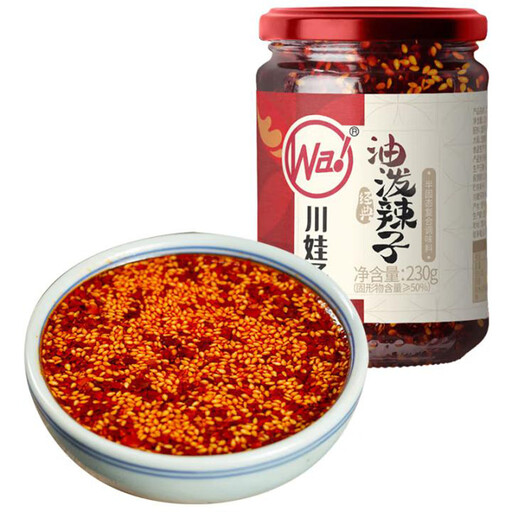
Why It Stands Out: This oil from Chuanwazi, a brand specialising in Sichuan spices, offers an authentic flavour experience. It combines the heat of chilies with the fragrant, slightly numbing aroma of Sichuan peppercorns and toasted sesame.
Pros:
Who It's For: For home cooks and foodies who appreciate the authentic taste of Sichuan cuisine. Especially suitable for those who enjoy the combination of heat and the tingling sensation of Sichuan peppercorns.
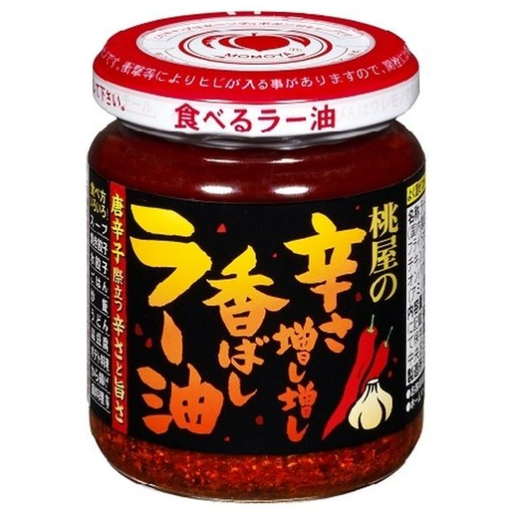
Why It Stands Out: This Japanese chili oil (also known as "Taberu Rayu" - edible chili oil) from Momoya focuses on aroma and texture. It contains fried garlic and onions, which give the oil a pleasant sweetness and a crunchy bite. The heat is present but not overpowering.
Pros:
Who It's For: Ideal for anyone looking for an aromatic chili garlic oil with a Japanese profile. It's a great choice for enhancing ramen, gyoza, or simply as a topping on a bowl of rice.
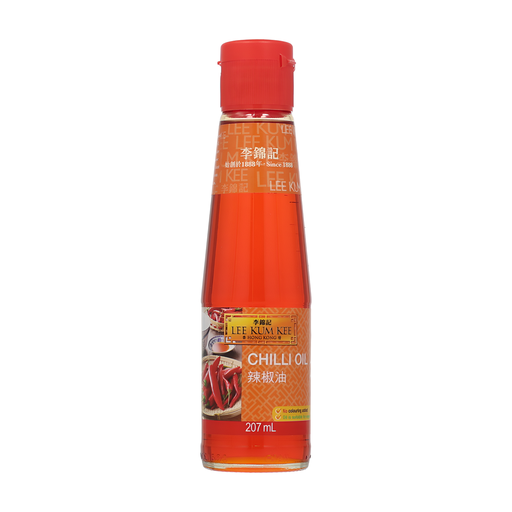
Why It Stands Out: The Lee Kum Kee Chili Oil is a classic, pure condiment oil. It is made from selected chilies and is characterized by its clear, vibrant red oil and a pure chili aroma. The heat is described as mild and not harsh, making it a versatile all-rounder.
Pros:
Who It's For: For newcomers to the world of chili oils or for cooks looking for a basic Asian condiment oil to add subtle heat and an appealing colour to dishes. It works well for cold appetisers, dips, or for finishing stir-fries.
Didn't find the right product for you in this selection, or would you like to discover more varieties? In our Chili in Oil category, you'll find an even wider range of products, from mildly aromatic to intensely spicy.
1. What is the difference between chili oil and chili crisp? The main difference is the texture. Chili oil is a pure, flavoured oil made by infusing chilies and spices. Chili crisp also contains solid, crunchy components like roasted chilies, soybeans, peanuts, or fried garlic, which provide an extra crunch.
2. How do you use Chinese chili oil? Chinese chili oil is extremely versatile. You can use it as a dip for dumplings and spring rolls, drizzle it over noodle and rice dishes, mix it into salad dressings, or use it as a flavour base for stir-fries and soups. A spoonful of chili crisp on a simple fried egg can transform a breakfast.
3. How should chili oil be stored properly? Most chili oils should be stored in a cool, dry place, away from direct sunlight. After opening, it is generally recommended to keep the jar in the refrigerator to preserve the freshness and aroma of the ingredients. Please refer to the specific instructions on the product packaging.