
Lieferung heute & morgen

Qualitätsgarantie

Willkommens-Angebote freischalten: KOSTENLOSE Lieferung | Bis zu 80 % RABATT | Kostenlose 30-Tage-JoyPlus-Testphase
App herunterladen
The search for the right chili oil can quickly become overwhelming. Shelves and online shops are filled with products promising everything from fiery heat to complex aromas. But not every jar delivers on its promise. Many home cooks and fans of Asian cuisine discover after their purchase that the product they chose is either one-dimensionally hot or lacks the desired texture for their dishes like noodles or dumplings.
As your Joybuy Product Recommendation Officer, I'm here to help you avoid the common pitfalls and make an informed decision. We'll focus on the objective characteristics that define a quality finishing oil, so you can find the exact product that matches your cooking style.
Before you buy a hot sauce, you should be aware of two common issues that often lead to disappointment:
To make the right choice, you should check three core parameters. These will help you objectively evaluate a product's quality and purpose.
The foundation of any chili oil is, as the name suggests, the oil. The type used significantly shapes the base flavour.
This is the key difference between a pure finishing oil for noodles and a chili crisp. Check the ingredients list to see if it contains solid components:
An outstanding Chinese chili oil or other Asian chili sauce thrives on its complexity. Additional ingredients create a deep umami condiment:
Based on these objective criteria, we have selected a few products for different preferences and applications.

Why This Fits Their Persona: Ideal for anyone seeking a deep, salty-savoury flavour that goes far beyond mere heat. The fermented black beans (douchi) are a classic ingredient in Sichuan cuisine and deliver an intense umami experience that instantly elevates simple rice or noodle dishes.
This product avoids the trap of one-dimensional heat by focusing on the complex, salty aroma of the fermented beans. The heat is present but well-integrated into the overall profile.
Delivers an intense, savoury umami flavour from fermented soybeans. A classic that serves as a versatile umami condiment.
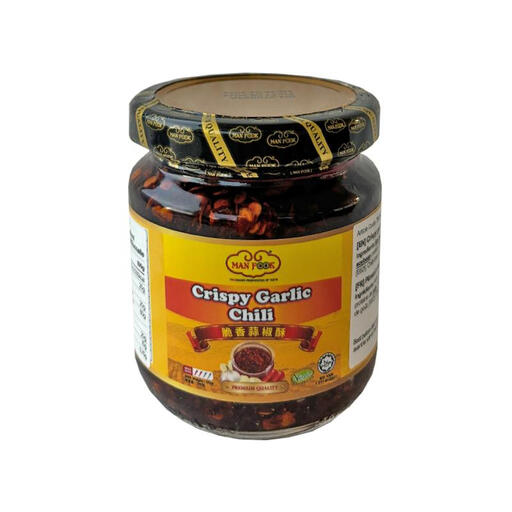
Why This Fits Their Persona: Perfect for food enthusiasts who are following the chili crisp trend and want to add a crunchy component to their dishes. The combination of fried garlic and chili provides a satisfying mouthfeel and a savoury aroma.
This product clears up the confusion around terminology by being clearly positioned as a crispy garlic chili oil. You get exactly the texture you expect for a topping, not just a smooth oil.
The high proportion of crispy garlic pieces provides an interesting texture. It's versatile as a topping for noodles, rice, eggs, or stir-fry dishes.
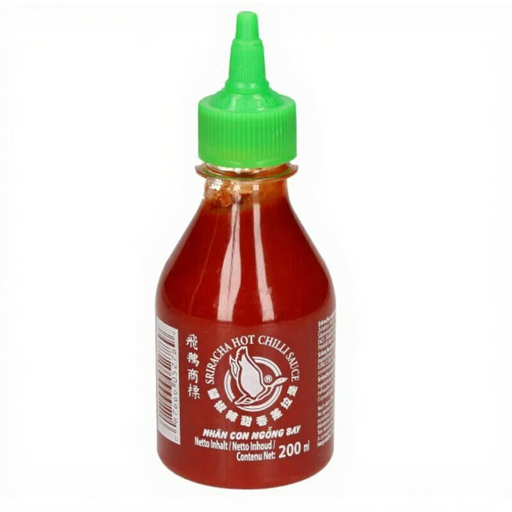
Why This Fits Their Persona: A reliable classic for anyone looking for a versatile, smooth chili sauce. Sriracha is known for its balanced blend of heat, sweetness, and garlic flavour, making it suitable as a dip, a seasoning for soups, or an ingredient in marinades.
This product is a clear example of a paste-style chili sauce, helping to eliminate the confusion between oil and sauce. Its flavour profile is consistent and well-balanced, making it a safe bet.
Smooth, homogeneous consistency that is easy to dose and mix. Offers a balanced ratio of heat, sweetness, and acidity.
We have compiled a complete, up-to-date list of products that fully meet these strict selection criteria and UK regulations.
In short, the differences lie in texture and composition:
Most chili oils should be stored in the refrigerator after opening to preserve the freshness of the aromas and the crispiness of the solid components. The oil may solidify in the fridge but will quickly return to a liquid state at room temperature. Always follow the storage instructions on the product's label.
That depends on the specific product. A chili crisp, with its crunchy solids, realises its full potential as a topping just before serving, as the texture would be lost during cooking. Smooth, pure chili oils or more robust pastes like Sambal, on the other hand, can also be used for sautéing, in marinades, or as a flavour base in braised dishes.