
Lieferung heute & morgen

Qualitätsgarantie

Willkommens-Angebote freischalten: KOSTENLOSE Lieferung | Bis zu 80 % RABATT | Kostenlose 30-Tage-JoyPlus-Testphase
App herunterladen
The search for the right chili oil can be a challenge. Shelves are filled with countless varieties—from clear, vibrant red oils to thick pastes packed with crispy solids. Whether you're looking for an Asian chili oil for your noodle soups, a spicy kick for dumplings, or a complex flavor base for your stir-fries, your choice is crucial to the success of your dish.
This guide is here to help. We'll introduce different types of chili oil and provide practical criteria to help you make an informed decision and find the product that meets your culinary needs.
To buy the right hot oil, it helps to know a few fundamental differences. These three points will guide your selection.
Texture is one of the most important distinguishing features. We can roughly differentiate between two main types:
Not all chili oils taste the same. The flavor is determined by the type of chilies and the added spices.
The origin often gives a clue to the oil's style. Japanese La-Yu is frequently based on sesame oil and tends to be nutty and mild, whereas a Chinese seasoning oil from the Sichuan region is often bolder and more complex. A look at the ingredient list is always advisable to understand the exact composition and identify potential allergens like peanuts, soy, or sesame.
Based on the criteria above, we have compiled a selection of different chili oils that cover various flavor profiles and applications.
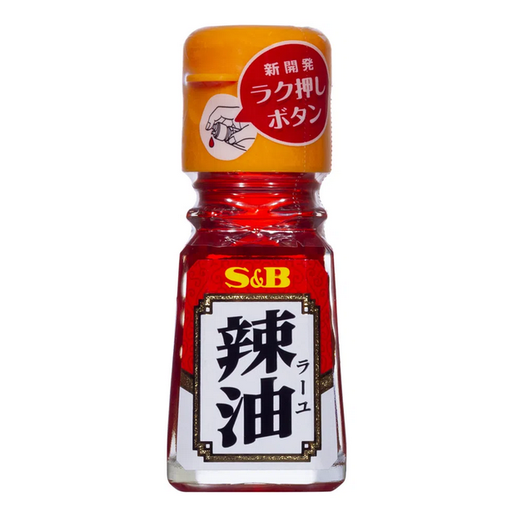
What Makes It Stand Out S&B LA-YU is a classic Japanese seasoning oil. It consists mainly of sesame oil and corn oil, refined with chili extract. The result is a clear, red-hued oil with no solid particles, known for its nutty aroma and mild heat.
Pros
Who It's For This oil is ideal for cooks who want to add subtle heat and a nutty aroma without altering the texture of their dish. It's an excellent choice for fans of Japanese cuisine, especially for finishing ramen, gyoza dips, or miso soup.
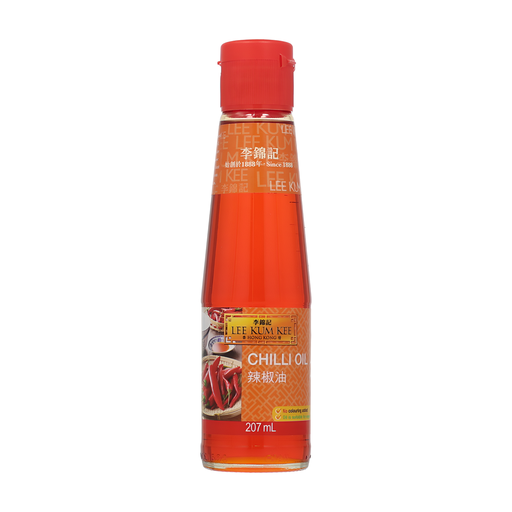
What Makes It Stand Out Lee Kum Kee offers a clear Chinese seasoning oil with a rapeseed oil base. According to the manufacturer, it is made from select chilies, giving it a vibrant red color and a rich chili aroma. It is designed as a versatile, all-purpose seasoning oil.
Pros
Who It's For This chili oil is a great choice for beginners and anyone looking for a reliable, foundational chili oil for everyday cooking. It's perfect for adding color and straightforward heat to dishes without introducing overly complex or dominant additional flavors.
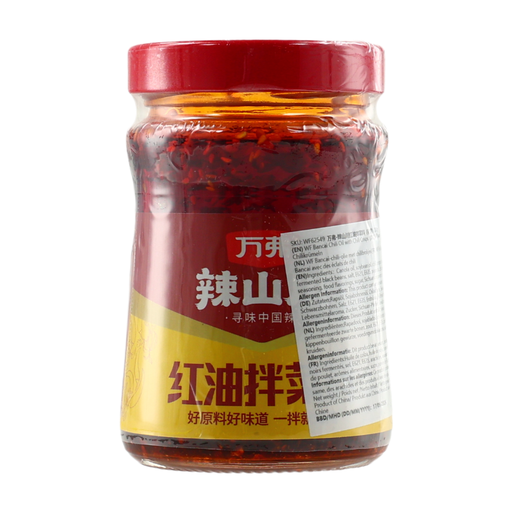
What Makes It Stand Out This product is a classic example of a Sichuan-style Chili Crisp. It's a seasoning oil with plenty of solids, including chili flakes, Sichuan pepper, fermented black beans, sesame, and peanuts. This blend provides the characteristic "mala" aroma—a combination of spicy and numbing—as well as a crunchy texture.
Pros
Who It's For This seasoning oil is aimed at lovers of Sichuan cuisine and anyone looking for more than just heat. Those who appreciate complex seasoning and an interesting texture will find this a versatile condiment that instantly elevates simple dishes. It's the perfect choice for authentic chili oil for noodles.
The world of seasoning oils is vast and diverse. If our selection didn't include the right product for your taste, or if you simply want to browse further, you can find a wider selection in our assortment.
Discover more products in our Chili Oil & Sauce category and find your new favorite.
Chili oil is typically a clear, infused oil from which the solid spice particles have been removed. It primarily serves to add flavor and heat in liquid form. Chili crisp, on the other hand, contains these solid particles (like chili flakes, garlic, nuts) and thus functions not only as a seasoning oil but also as a crunchy topping or condiment that adds texture.
Most chili oils should be stored in a cool, dry, and dark place to preserve their flavor and color. After opening, many manufacturers recommend refrigeration to extend freshness. Always follow the instructions on the product's packaging.
The uses are extremely versatile. Clear chili oil is suitable for finishing soups (e.g., ramen), as a base for salad dressings, or for drizzling over pizza and pasta. Chili crisp is an excellent topping for rice dishes, egg dishes, noodles, and dumplings. Both types can also be used to marinate meat or as a spicy component in stir-fries.