
Lieferung heute & morgen

Qualitätsgarantie

Willkommens-Angebote freischalten: KOSTENLOSE Lieferung | Bis zu 80 % RABATT | Kostenlose 30-Tage-JoyPlus-Testphase
App herunterladen
As a Joybuy Product Recommendation Officer, I often see how easy it is to fall into a common trap when buying chili powder. The wrong powder can ruin a carefully planned dish. The term "chili powder" is an umbrella term for a huge variety of spices with different origins, heat levels, and textures. Those who aren't careful often buy a product that is unsuitable for their intended culinary project—be it kimchi, a Sichuan dish, or an Indian curry.
The most common pitfalls are vague labels and the assumption that heat is the only criterion. Many products are also blends that contain salt, oil, or other spices in addition to chili, which can unpredictably alter the taste. Another critical point is the grind size: a fine powder behaves completely differently in cooking than coarse chili flakes.
To avoid disappointment, you should check three fundamental parameters before buying. These will help you identify the right product for your recipe and distinguish marketing hype from true quality indicators.
Not all chili powder is the same. The origin determines the fundamental flavor profile, which goes far beyond mere heat.
The texture of the chili product has a significant impact on its use and the final result in the dish.
Checking the ingredients list is essential. Many products sold as "chili powder" are actually ready-made seasoning blends.
Here are some recommendations tailored to specific culinary needs that avoid the pitfalls mentioned above.
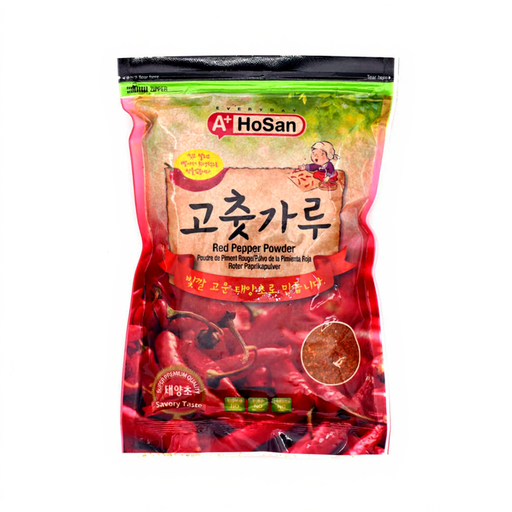
Why This Fits Their Persona: Ideal for anyone who wants to make authentic kimchi at home. This coarse-ground Korean chili powder (Gochugaru) provides the characteristic color, texture, and aroma required for fermenting kimchi.
This isn't a generic chili powder; it's specifically declared as coarse Gochugaru for kimchi. This prevents you from using a powder that is too fine or has the wrong flavor profile, which could compromise the fermentation result.
Consists of 100% red chili powder with no other additives. The 500g package offers excellent value for money for regularly making larger batches of kimchi.
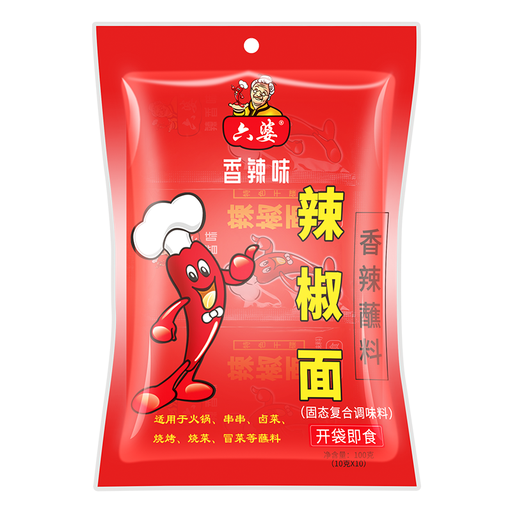
Why This Fits Their Persona: Perfect for those seeking the authentic "mala" flavor of Sichuan dishes like hot pot or barbecue. This blend is designed as a dip or a direct seasoning.
This product is clearly a seasoning blend, not a pure chili variety. The ingredients list explicitly states Sichuan Pepper (2%), guaranteeing the characteristic numbing-hot flavor that you can't achieve with pure chili powder alone.
Offers a complex, ready-made flavor profile with chili, sesame, and Sichuan pepper. The convenient individual packets ensure freshness and easy portioning.
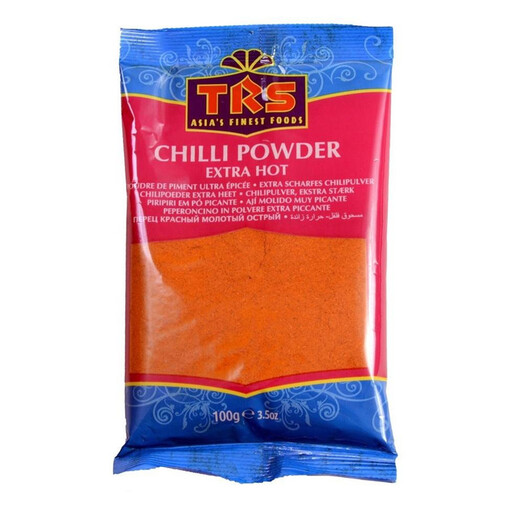
Why This Fits Their Persona: For cooks whose main goal is to add intense, clean heat to dishes. This fine powder is excellent for Indian curries, marinades, or for adding a final "kick" to any food.
The "Extra Hot" label and the ingredients list showing 100% Chilli Powder make it clear that this is a pure, highly concentrated heat spice. There are no hidden fillers or other spices to alter the flavor.
Provides high heat and a deep red color. As a pure powder, it's versatile and allows for precise dosing to achieve the desired level of spiciness.
We've compiled a complete, up-to-date list of products that fully meet these strict selection criteria.
Gochugaru is a specific type of Korean chili powder. It is made from sun-dried Korean chilis and has a characteristic sweet and smoky aroma with moderate heat. General "chili powder" can be made from any variety of chili (like the much hotter cayenne pepper) and often has a different flavor profile and a higher heat level. For authentic Korean dishes, gochugaru is therefore usually the better choice.
Chili powder quickly loses its aroma and color when exposed to light, heat, and air. Therefore, always store it in an airtight container in a cool, dry, and dark place, such as a kitchen cabinet away from the stove. For extra-long shelf life, especially with larger quantities of gochugaru, storage in the refrigerator or even the freezer is often recommended.
That depends on the desired result. If a recipe calls for heat, paprika (especially sweet paprika) is not a suitable substitute, as it has little to no heat. However, it can be used to add color and a mild, sweet flavor to a dish. Conversely, hot chili powder cannot simply replace paprika without making the dish significantly spicier.