
Lieferung heute & morgen

Qualitätsgarantie

Willkommens-Angebote freischalten: KOSTENLOSE Lieferung | Bis zu 80 % RABATT | Kostenlose 30-Tage-JoyPlus-Testphase
App herunterladen
Chilli sauce is one of the most versatile seasonings for home cooking. It adds flavour to noodles, rice, stir-fries, soups, marinades and snacks. Products can vary considerably in heat, sugar content, consistency, ingredients and pack size. If you choose based only on an eye-catching bottle or a claim such as “extra hot”, you could end up with a sauce that doesn’t suit the way you want to use it.
“Hot” and “spicy” are not standardised measurements. Two sauces with similar descriptions can taste very different. Sriracha sauce often contains sugar, garlic and vinegar as well as chilli. Korean chilli paste such as gochujang, on the other hand, has a thicker, more savoury texture thanks to ingredients such as rice, fermented ingredients and spices.
For families or first-time buyers, a well-balanced Asian chilli sauce is often easier to portion than concentrated chilli oil or a strongly seasoned paste.
An 800-g or 980-g bottle may be a good choice for restaurants, catering businesses and people who use chilli sauce often. But if you only use it occasionally, the flavour and consistency may suffer after opening if you don’t follow the storage instructions. So consider how much you actually use each week, rather than just the price per pack.
Depending on the recipe, Chinese chilli sauce, chilli crisp and chilli oil may contain soya beans, wheat, peanuts or sesame. Gochujang may also contain soya. If you have an intolerance, check the information on the specific product label. Claims such as “no declared allergens” or “gluten-free” should only be used when they are clearly stated for that product.
First, think about how you plan to use the sauce:
A thicker consistency works well for dips, as it clings to the food. For cooking, a thinner chilli sauce may be better, as it’s easier to stir into stock or a stir-fry.
Ingredients are listed in descending order by weight. A high sugar content is not unusual in sweet sauces, but it’s worth bearing in mind if you use them every day. Salt levels can also vary considerably between products.
Pay particular attention to:
Small bottles are ideal for occasional use and trying different flavours. Medium-sized packs are practical for regular home cooking. Larger packs such as 770 g, 800 g or 1 kg are better suited to frequent users, families who often cook Asian dishes, and restaurants or catering businesses.
Many products need to be refrigerated after opening. Some also come with a recommendation to use them within a certain period. Always follow the instructions on the packaging.
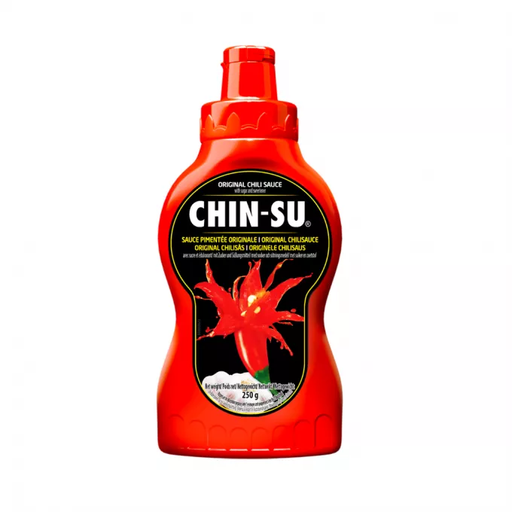
Why it suits this profile: The handy 250-g size is ideal for trying out the sauce in dips, soups, spring rolls and simple stir-fries.
Its stated medium heat and thick consistency make it easier to portion, without having to buy a large pack straight away.
250 g, a creamy texture and, according to the product information, 93 kcal and 4.4 g of salt per 100 g.
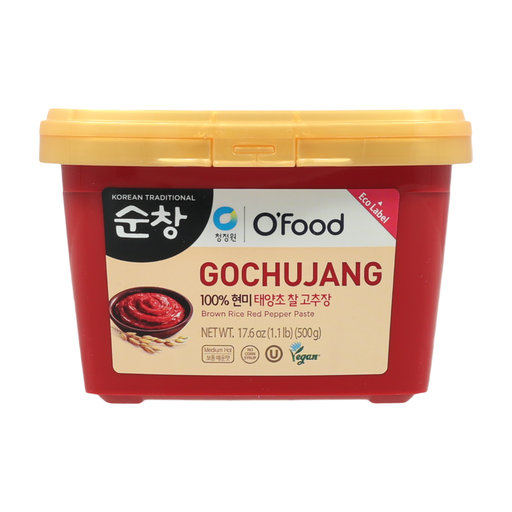
Why it suits this profile: This Korean chilli paste is ideal for recipes that call for a thick, sweet and savoury seasoning base rather than a thin dipping sauce.
The product description clearly lists chilli, glutinous rice and traditional seasonings; soya is identified as an allergen.
500 g, suitable for marinades, stews, sauces and Korean dishes such as bibimbap.
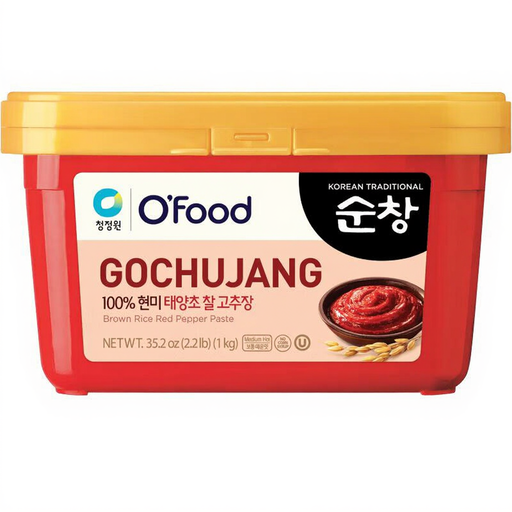
Why it suits this profile: The 1-kg pack is designed for households that cook Korean food regularly, as well as catering businesses and restaurants.
A large pack only makes sense if you use it regularly. Remember to refrigerate it after opening.
1 kg, with 11% red chilli powder according to the product information, and suitable for bibimbap, tteokbokki and braised dishes.
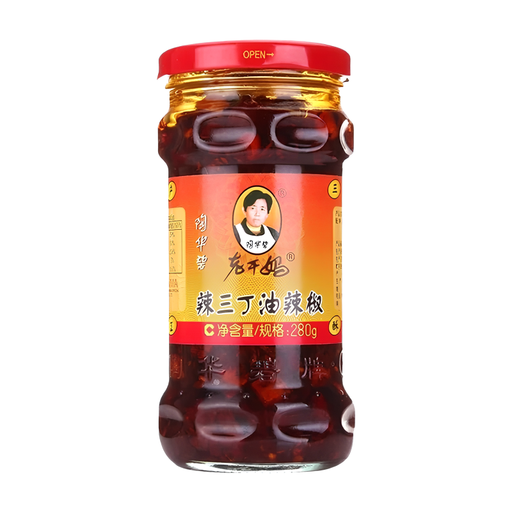
Why it suits this profile: Chilli crisp adds oil, seasoning and crunchy ingredients straight to rice, noodles, dumplings and stir-fries.
Its chunky texture makes it clear that this isn’t a smooth dipping sauce. Peanuts, soya and sesame are listed as allergens.
280 g, ready to eat and, according to the product information, made with chilli, oil, peanuts, soya beans and sesame.
For a dip, serve the sauce straight from the bottle or mix it with soya sauce, lime juice and a little water. When making marinades, bear in mind the salt content of the other ingredients. Sweet chilli sauce is great for glazing chicken or spring rolls, while gochujang combined with stock, garlic and sesame oil makes a base for Korean sauces.
Chilli oil and chilli crisp are often spooned over noodles, rice or soup just before serving. This helps preserve their flavour and texture. Always use a clean spoon with opened products and follow the recommended storage instructions.
We’ve put together a complete, regularly updated list of products that meet these strict selection criteria and fully comply with the safety regulations in force in the EU.
Sriracha sauce, chilli crisp, chilli oil and Chinese chilli sauce all go well with noodles and rice. Sriracha mixes in evenly, while chilli crisp adds a chunky, oil-rich texture. Gochujang makes a good seasoning base for Korean dishes.
It depends on the product. Many sauces and pastes need to be refrigerated after opening. Check the label and seal the bottle or jar after each use. Keep it out of direct sunlight and away from high temperatures.
There’s no single shelf life that applies to every product. Acidity, sugar, salt, oil, preservatives and packaging all affect how long it keeps. Always follow the best-before date and the manufacturer’s specific storage and use instructions. Don’t use the product if its smell has changed, you see mould or its consistency seems unusual.