
Lieferung heute & morgen

Qualitätsgarantie

Willkommens-Angebote freischalten: KOSTENLOSE Lieferung | Bis zu 80 % RABATT | Kostenlose 30-Tage-JoyPlus-Testphase
App herunterladen
Choosing the right Chinese black vinegar can be a challenge, given the wide variety of brands, regions of origin, and aging processes. Whether for authentic dumplings, complex braises, or a simple vinaigrette, the right vinegar is crucial for the success of your dish. This guide will help you understand the characteristics of different products and make an informed purchasing decision.
As your Joybuy Product Recommendation Officer, I have compiled the relevant product information to give you a clear overview of the available options.
A few key criteria will help you find the right black vinegar for your kitchen.
The most famous type is Zhenjiang vinegar (often transliterated as Chinkiang vinegar). It comes from the city of Zhenjiang in Jiangsu province and is known for its complex, malty, and slightly sweet aroma. Its production and origin are geographically protected, which ensures consistent quality. Other regions also produce high-quality black rice vinegar that can differ in taste, for example, through the use of different grains or local yeast cultures.
The aging period affects the vinegar's complexity and smoothness. Vinegars aged longer (e.g., 3 or 5 years) develop a deeper, more rounded aroma, while younger vinegars often have a sharper acidity. A key indicator of quality is the total acidity, which is listed on the label in g/100ml. A higher value (e.g., ≥5.50 g/100 ml) often indicates a more intense and richer flavour.
Authentic Chinese black vinegar is made through solid-state fermentation. The base usually consists of glutinous rice, sorghum, wheat, or barley. A look at the ingredients list reveals whether additives like colourings or sweeteners are included. Products made only from grain, water, salt, and yeast offer a pure taste experience.
Here is a selection of products that cover different flavour profiles and applications.
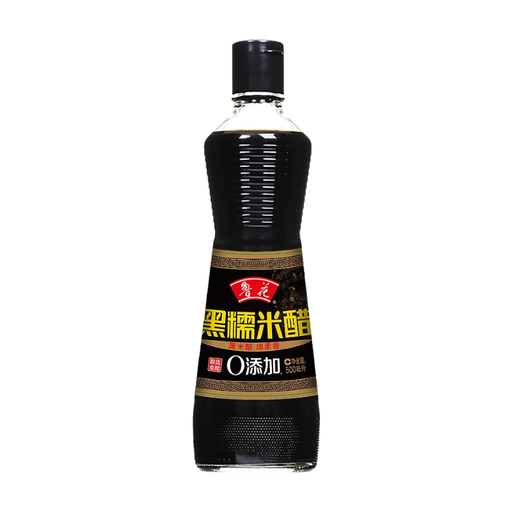
Why It's a Great Choice: This vinegar from Lu Hua is obtained through the solid-state fermentation of black glutinous rice and wheat bran. According to the manufacturer, no preservatives, sweeteners, or colourings are added, making it a choice for purist cooking applications. The total acidity of ≥4.60 g/100 ml provides a mild yet present acidity.
Pros:
Best For: Ideal for home cooks looking for a natural and unadulterated black rice vinegar for cold appetisers, dressings, or light seasoning.

Why It's a Great Choice: The five-year aging period gives this vinegar from the Shuita brand remarkable depth and complexity. Made from sorghum, barley, peas, and wheat bran, it develops a smooth and well-rounded flavour profile. The long aging process mellows the sharpness of the acid and promotes the development of multi-layered aromas.
Pros:
Best For: A great choice for discerning chefs and restaurateurs who need an aged vinegar with pronounced depth of flavour for refining sauces and braised dishes.
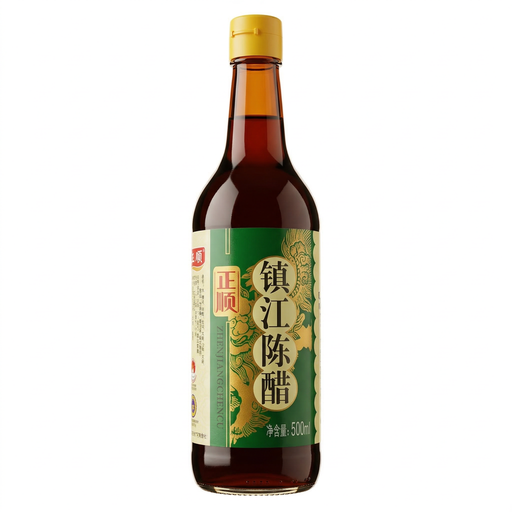
Why It's a Great Choice: This vinegar from Zhengshun is an authentic Zhenjiang vinegar and carries the Protected Geographical Indication seal. It is aged for three years and achieves a high total acidity of ≥5.50 g/100 ml. Its well-balanced mix of acidity, slight sweetness, and malty notes makes it the archetype of Zhenjiang vinegar and an ideal dipping vinegar for dumplings.
Pros:
Best For: Perfect for enthusiasts of authentic Chinese cuisine who are looking for the unmistakable flavour of Chinkiang vinegar, especially for dipping dumplings (jiaozi) and xiaolongbao.
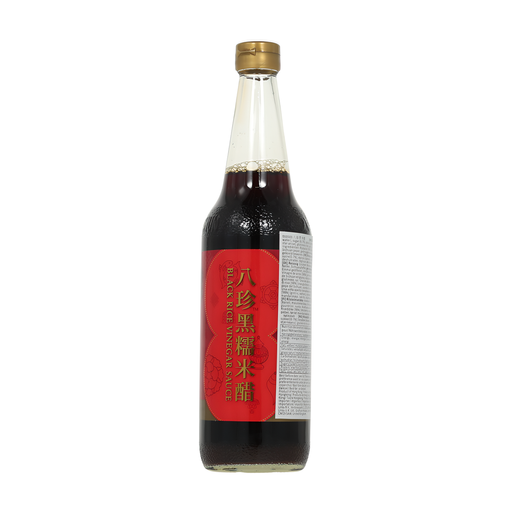
Why It's a Great Choice: This black rice vinegar from the Hong Kong brand Patchun is distinguished by the addition of a spice blend, which, according to the manufacturer, includes cinnamon, cloves, Szechuan peppercorns, dried mandarin peel, liquorice, and star anise. This gives the vinegar an extra aromatic dimension that goes beyond pure acidity, lending it a spicy warmth.
Pros:
Best For: For adventurous cooks looking for a vinegar with a special aromatic character to add a distinctive touch to marinades, stews, or dressings.
Haven't found the right product for your needs yet, or would you like to get a broader overview? If you want to buy Chinese vinegar or compare other varieties, you can find a larger selection in our category.
Discover Our Entire Range of Grain Vinegars Here
1. What is the difference between Zhenjiang vinegar and other black vinegars?Zhenjiang vinegar is a specific, geographically protected variety from Zhenjiang, made primarily from glutinous rice and known for its balanced, malty aroma. Other black vinegars may come from different regions and be made from other grains like sorghum or millet, leading to variations in taste, colour, and acidity.
2. How do you use Chinese black vinegar? Black vinegar is extremely versatile. It serves as a classic dipping vinegar for dumplings and other dim sum, often mixed with soy sauce and ginger. In hot dishes, it's used for braises (e.g., braised pork ribs), sweet and sour dishes, and for deglazing in a wok. In cold dishes, it is used in dressings for cucumber salad or noodle salads.