
Lieferung heute & morgen

Qualitätsgarantie

Willkommens-Angebote freischalten: KOSTENLOSE Lieferung | Bis zu 80 % RABATT | Kostenlose 30-Tage-JoyPlus-Testphase
App herunterladen
For lovers of authentic Asian cuisine, Chinese black vinegar is an indispensable ingredient. But the selection can be overwhelming: which vinegar is best for dumplings, which for braised dishes, and what are the differences in quality? This guide will help you understand the characteristics of high-quality black vinegar and make an informed choice for your kitchen. We'll introduce you to different varieties and explain what to look for when you buy.
To find the right vinegar for your dishes, a few basic criteria are crucial. These will help you better assess a product's quality and flavour.
The region a vinegar comes from significantly shapes its aroma. Shanxi vinegar (Shanxi Laochencu), for example, is known for its robust, smoky, and complex flavour profile, which develops through a long ageing process. An aged Chinese vinegar develops a special depth and mellowness over the years that distinguishes it from younger, sharper vinegars. A longer ageing period, often three years or more, typically indicates a more balanced and aromatic product.
A look at the ingredients list reveals the quality. Traditionally made black vinegar is produced through solid-state fermentation of grains like sorghum, wheat, barley, and peas. Products made using this method often offer a richer and more nuanced flavour experience. Look for a short ingredient list without unnecessary additives. A black rice vinegar, like the well-known Chinkiang vinegar (Zhenjiang vinegar), is primarily based on glutinous rice and has a slightly milder, subtly sweet profile.
Not every black vinegar is equally suited for every dish. While a robust, aged Shanxi vinegar is ideal for braised dishes and sauces, there are specially formulated varieties. A vinegar for dumplings is often milder and sometimes enhanced with additional spices to complement the flavour of the filling rather than overpowering it. A versatile Asian seasoning vinegar can be used for both cold appetisers and for finishing wok dishes.
Based on the criteria above, we have compiled a selection of products that stand out for their specific characteristics and applications.
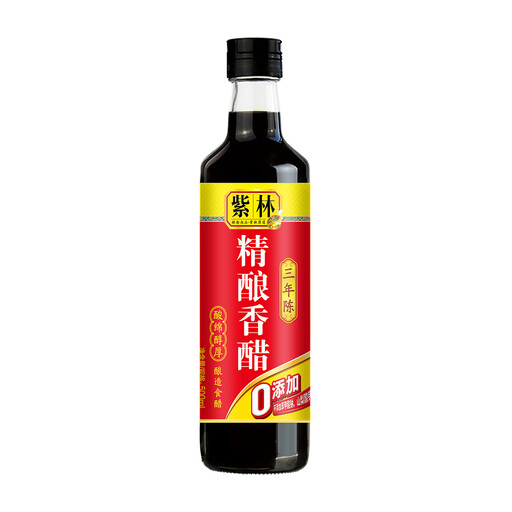
Why it stands out This vinegar is made using traditional solid-state fermentation and aged for three years. The result is a complex, mellow, and aromatic sweet-and-sour profile. According to the manufacturer, no preservatives like sodium benzoate or potassium sorbate are detected, indicating a pure recipe.
Pros
Best for This product is a great choice for cooks looking for a high-quality, all-purpose vinegar that can be used in everyday cooking as well as for more sophisticated dishes.

Why it stands out As a classic example of the Shanxi style, this vinegar offers a rich, balanced, and aromatic sour taste after three years of ageing. It is also made using traditional methods and embodies the essence of one of China's most famous vinegar regions.
Pros
Best for Perfect for food enthusiasts who appreciate the characteristic flavour of traditional Shanxi vinegar and are looking for an authentic foundation for their Chinese dishes.
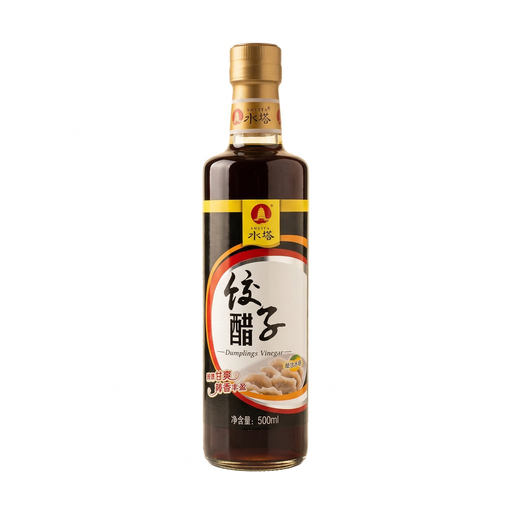
Why it stands out This vinegar was specifically designed as a dipping sauce for dumplings. It is based on Shanxi vinegar, but its flavour profile has been adjusted to offer a mild acidity and a delicate aroma that complements the dumpling filling without dominating it. The Shuita brand is an established producer specialising in the traditional production of Shanxi vinegar.
Pros
Best for Ideal for anyone who frequently makes dumplings and wants a perfectly balanced dipping sauce that won't overpower the taste.
Haven't found the right product for your needs in our selection, or want to explore more Asian condiments? In our cooking ingredients category, you'll find a wider range of vinegars and other specialities for your kitchen.
Explore our full range of cooking ingredients
"Chinese black vinegar" is an umbrella term for various types of vinegar made from grain. Chinkiang vinegar (also known as Zhenjiang vinegar) is a specific, very famous type of black vinegar from the city of Zhenjiang, made primarily from glutinous rice. It is known for its mild, slightly sweet, and complex aroma and is one of the most popular varieties.
Black vinegar should be stored in a cool, dry, and well-ventilated place, away from direct sunlight. After opening, the bottle should be kept tightly sealed. A natural sediment may occur in traditionally made vinegars and does not affect the quality.
For authentic Chinese dishes, a substitution is not recommended. Chinese black vinegar has a unique earthy, malty, and umami-rich flavour profile. In comparison, Italian balsamic vinegar is significantly sweeter, fruitier, and has a different aromatic structure. Using balsamic vinegar would significantly alter the character of the dish.