
Lieferung heute & morgen

Qualitätsgarantie

Willkommens-Angebote freischalten: KOSTENLOSE Lieferung | Bis zu 80 % RABATT | Kostenlose 30-Tage-JoyPlus-Testphase
App herunterladen
As a Joybuy Product Recommendation Officer, I see it as my duty to provide you with clear and objective information so you can make informed purchasing decisions. Anyone who wants to prepare authentic Chinese dishes quickly discovers that choosing the right ingredients is crucial. A prime example is Chinese black vinegar—a cornerstone of Chinese culinary culture whose variety can be overwhelming for the uninitiated.
This article is designed to help you understand the differences between the various types and make a suitable choice for your kitchen. We will focus on objective characteristics such as origin, ingredients, and aging time to offer you a practical guide.
The choice of the right vinegar depends heavily on its intended use and desired flavor characteristics. Here are three criteria that can help you with your decision.
A key quality indicator is its origin. Arguably the most famous Chinese black vinegar is Zhenjiang vinegar (镇江香醋), also known as Chinkiang vinegar. This vinegar comes from the city of Zhenjiang in Jiangsu province and is protected by a Geographical Indication (GI). This means that only vinegar produced in this region using traditional methods can bear this name. When buying Zhenjiang vinegar, you are getting a product with a characteristically complex, malty, and slightly smoky flavor profile that clearly stands out from other types of vinegar.
Another factor is the aging period. Similar to balsamic vinegar, an aged Chinese vinegar develops more complexity and mellowness over time. A longer aging period—often three, six, or more years—results in a rounder, less sharp flavor.
The ingredient base is also crucial. Most black vinegars are made from glutinous rice, sorghum, wheat, or a blend of different grains. A black rice vinegar based on glutinous rice often has a subtle sweetness, while vinegars with wheat bran exhibit a deeper, maltier note.
Not every Asian dark vinegar is equally well-suited for every dish.
Based on the criteria mentioned above, we have compiled a selection of products that cover different flavor profiles and applications.
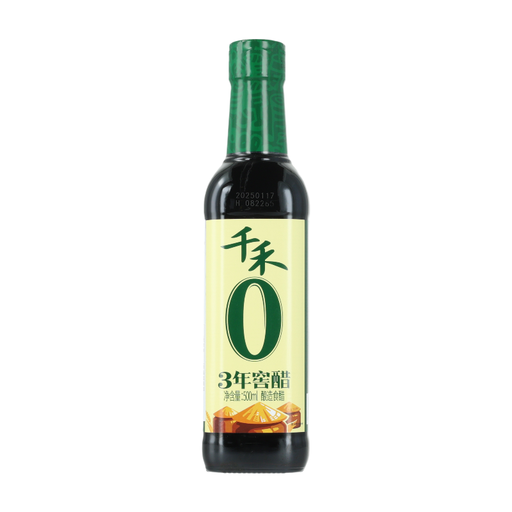
Why it stands out: This vinegar is based on a blend of five different grains (rice, wheat, sorghum, corn, buckwheat) and is aged for three years. According to the manufacturer, no preservatives, colorings, or artificial flavors are added.
Benefits:
Who it's for: For cooks looking for a versatile and balanced everyday vinegar with a mild, smooth flavor profile suitable for a wide range of applications.
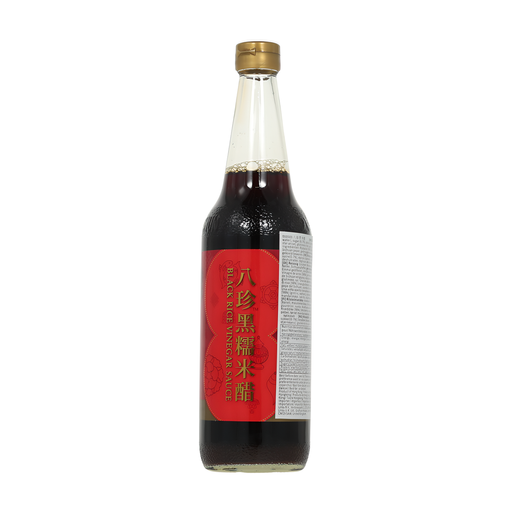
Why it stands out: This Hong Kong-made vinegar is brewed from traditionally fermented glutinous rice vinegar and refined with a spice blend that includes cinnamon, cloves, Szechuan peppercorns, dried mandarin peel, licorice, and star anise.
Benefits:
Who it's for: For the adventurous cook seeking a Chinese seasoning vinegar with a distinct, spicy character that goes beyond pure acidity and adds aromatic depth to dishes.
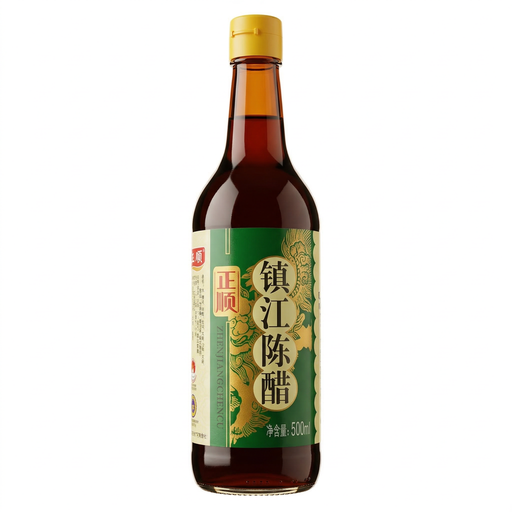
Why it stands out: This product is an authentic, three-year-aged Zhenjiang vinegar, produced in Jiangsu province. The Zhengshun brand is an authorized user of the "Zhenjiang Xiangcu" protected geographical indication.
Benefits:
Who it's for: For purists and enthusiasts of traditional Chinese cuisine who seek the distinctive, bold flavor of real Zhenjiang vinegar for classic applications like dumpling dips or braised dishes.
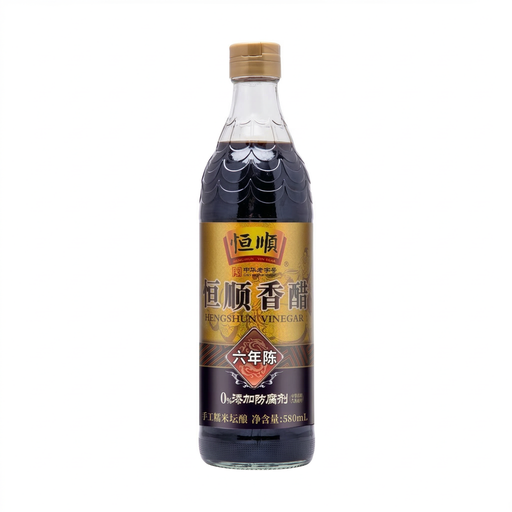
Why it stands out: This vinegar from the well-known brand Heng Shun is distinguished by its long aging period of six years. This process gives it a special mellowness and depth of flavor.
Benefits:
Who it's for: For connoisseurs who appreciate the nuanced and well-rounded flavor of a longer-aged vinegar. It is excellent for delicate sauces, dressings, or as a high-quality dipping sauce where the mildness of the vinegar is meant to shine.
This selection represents only a small fraction of the available variety. Each vinegar offers a unique taste experience. If you want to discover more variations or compare different aging periods and brands, you can find more products in our category.
Explore our full range of Chinese black vinegar
The main difference lies in the production process and ingredients. Light rice vinegar is typically fermented only from rice and has a light, mildly acidic taste. Chinese black vinegar is made from glutinous rice, sorghum, or other grains, often with wheat bran, and undergoes a longer aging process. This gives it its dark color and a more complex, malty, and sometimes slightly sweet flavor note.
Black rice vinegar is a versatile Chinese seasoning vinegar. It is commonly used as a dipping sauce for dumplings and seafood, in dressings for cold appetizers (e.g., cucumber salad), for deglazing stir-fries, in braised dishes to balance flavors, and in marinades.
Chinese black vinegar should be stored in a cool, dry place, away from direct sunlight. After opening, it is advisable to keep the bottle tightly sealed to preserve the aroma. Refrigeration is not mandatory but can help maintain freshness over a longer period. Natural sediment at the bottom of the bottle is normal and not a sign of quality loss.