
Lieferung heute & morgen

Qualitätsgarantie

Willkommens-Angebote freischalten: KOSTENLOSE Lieferung | Bis zu 80 % RABATT | Kostenlose 30-Tage-JoyPlus-Testphase
App herunterladen
Anyone who wants to prepare authentic Chinese dishes quickly discovers that the right ingredients are crucial. One such key ingredient is Chinese black vinegar, which adds a distinctive depth to dishes like dumplings, stir-fries, and cold appetisers with its complex, malty, and slightly sweet aroma. However, the selection can be overwhelming. This article provides an objective guide to help you find the perfect seasoning vinegar for your kitchen.
To make an informed decision, a few fundamental characteristics are relevant. These criteria will help you understand the differences between products and select the right vinegar for your intended use.
One of the most famous varieties is Zhenjiang vinegar (镇江香醋). This name is a protected geographical indication, similar to Champagne or Parmesan. This means that only vinegar produced using traditional methods in the city of Zhenjiang, Jiangsu province, can bear this designation. It is typically brewed from glutinous rice and is known for its balanced, rich flavour. Other black vinegars can be made from millet, sorghum, or a blend of different grains, and they exhibit different flavour profiles depending on the region.
The length of the aging process has a significant impact on the taste. A longer aged vinegar develops a more complex and milder profile, while younger vinegars often have a sharper acidity. An aging period of several years, such as three years, indicates a product with a well-rounded flavour. The ingredients list also provides insight: a high-quality dark rice vinegar is based on grains like rice, wheat, sorghum, or millet and often omits artificial additives.
Consider what you primarily want to use the vinegar for.
Based on objective product features such as origin, ingredients, and aging period, we have compiled a selection of seasoning vinegars that cover various applications.
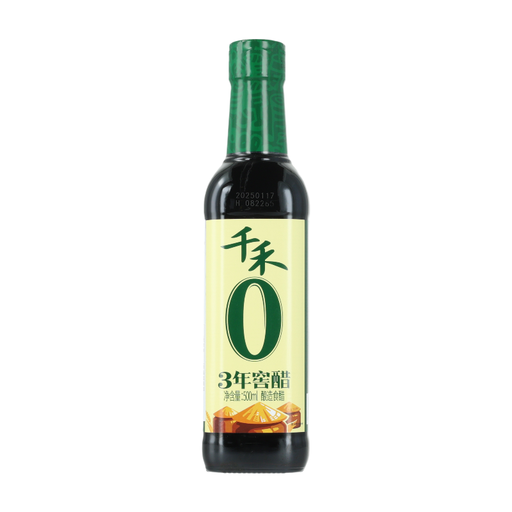
Why it stands out: This vinegar from the Qianhe brand is made from five different grains (rice, wheat, sorghum, corn, buckwheat) and is aged for three years in a cellar. According to the manufacturer, no preservatives, colourings, or artificial flavours are added. The result is a smooth vinegar aroma with a balanced, sweet aftertaste.
Pros:
Who it's for: Users looking for a versatile and mild everyday vinegar that is free from artificial additives and suitable for a wide range of dishes.
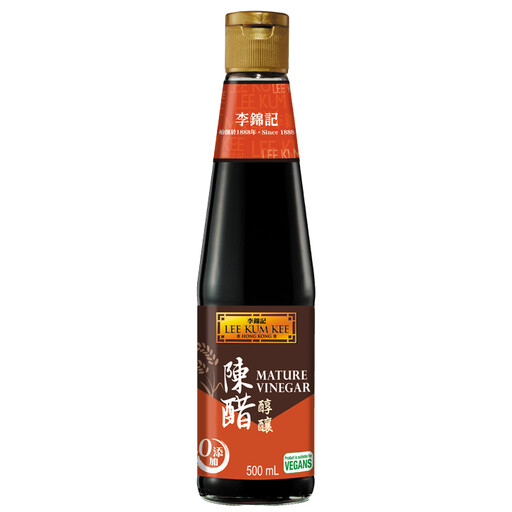
Why it stands out:Lee Kum Kee is an established brand for Chinese seasoning sauces. This aged vinegar is produced using traditional brewing methods from selected grains such as sorghum, wheat bran, barley, and peas. It is characterised by a robust aroma and a mild acidity.
Pros:
Who it's for: Home cooks who trust the products of a well-known brand and are looking for an aromatic vinegar for classic applications like dips and cold appetisers.
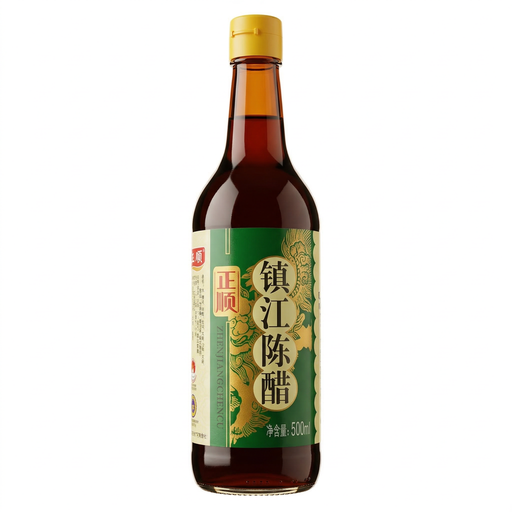
Why it stands out: This product is an authentic Zhenjiang vinegar with a protected geographical indication. It is produced by Zhengshun, an authorised user of the "Zhenjiang Xiangcu" collective mark. The three-year aging process gives it a deep, complex flavour profile with a balance of rich acidity, subtle sweetness, and malty notes.
Pros:
Who it's for: Enthusiasts of authentic Chinese cuisine who are seeking the characteristic taste of real Zhenjiang vinegar and prefer a product for traditional uses like dipping dumplings.
If these recommendations don't include the perfect product for your specific needs, or if you are looking for different bottle sizes, it's worth taking a look at the broader assortment. There you will find other varieties to help you buy Asian vinegar.
Discover our entire range of 500ml vinegar.
The main difference lies in the raw materials and the production process. While European vinegars are mostly made from wine, apples, or distilled spirits, Chinese black vinegar is based on grains like glutinous rice, millet, or sorghum. Through its long aging process, it develops a dark, malty, and umami-rich flavour that is distinctly different from the fruity or sharp acidity of Western vinegars.
Zhenjiang vinegar is extremely versatile. It is classically used as a dip for dumplings, spring rolls, and baozi, often mixed with finely sliced ginger. It also works wonderfully as a dressing for cold noodle salads or cucumber salad, for deglazing stir-fries, or as an acidic component in braised dishes like red-braised pork belly.
Due to its unique flavour profile, Chinese black vinegar is difficult to replace. In a pinch, a mixture of balsamic vinegar (for sweetness and complexity) and a dash of soy sauce (for the umami note) can serve as a rough approximation. However, for an authentic taste experience, using the original product is highly recommended.