
Lieferung heute & morgen

Qualitätsgarantie

Willkommens-Angebote freischalten: KOSTENLOSE Lieferung | Bis zu 80 % RABATT | Kostenlose 30-Tage-JoyPlus-Testphase
App herunterladen
A Chinese chef's knife, often called a Chinese cleaver, is a coveted tool in many kitchens due to its impressive versatility. The wide blade is not only perfect for slicing and chopping but also for crushing garlic or transferring ingredients. However, the market is saturated, and many buyers invest in a knife that fails to meet their expectations. Before you make a decision, you should understand the most common pitfalls.
Choosing the wrong knife often leads to frustration—whether from a blade that dulls quickly or an unwieldy design. These three problems are especially prevalent:
To avoid a bad purchase, focus on three objective criteria that determine the performance and longevity of a Chinese chef's knife.
The most important distinguishing feature is the blade's geometry. A true Asian-style chef's knife is generally not a cleaver for bones.
For most home kitchen applications, especially preparing vegetables and boneless meat, a slicer is the more practical choice.
The quality of the steel determines its edge retention (how long the knife stays sharp) and corrosion resistance.
A well-balanced knife sits securely in your hand and allows for fatigue-free use.
Here are some recommendations tailored to different needs and cooking styles that meet the quality criteria mentioned above.
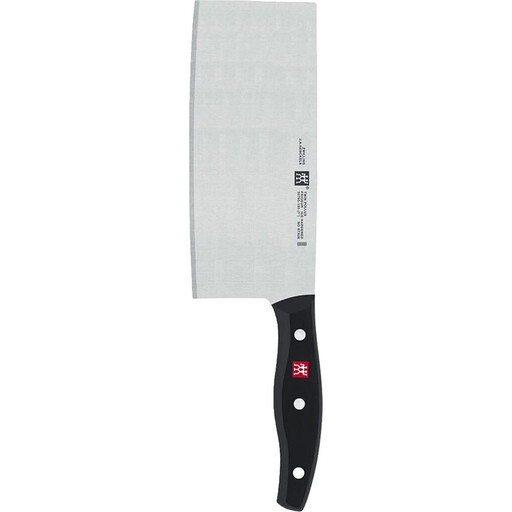
Why This Fits Their Persona: Ideal for cooks in Germany who want to try the versatile blade shape of Asian cuisine without sacrificing the familiar quality and ergonomics of an established brand. A reliable all-rounder for daily use.
It sidesteps the trap of vague claims by specifying the steel hardness (55-58 HRC) and using Zwilling's special formula stainless steel. The ergonomic, triple-rivet construction ensures good balance.
The FRIODUR ice-hardened blade offers excellent edge retention and corrosion resistance. The wide blade surface makes it easy to scoop and transfer chopped ingredients.
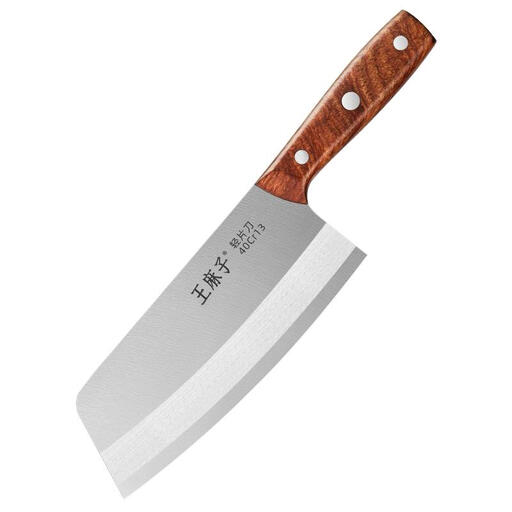
Why This Fits Their Persona: For cooks seeking an authentic tool with a rich history. This knife from Wangmazi, a heritage brand, specializes in the art of precision slicing and embodies Chinese craftsmanship.
It resists the "all-in-one" myth by being clearly positioned as a precision slicer. The lightweight blade is designed for finesse, not heavy chopping, which honestly defines its function.
The traditional "One Light" blade design provides exceptional balance and razor-sharp precision, ideal for finely slicing vegetables and herbs.
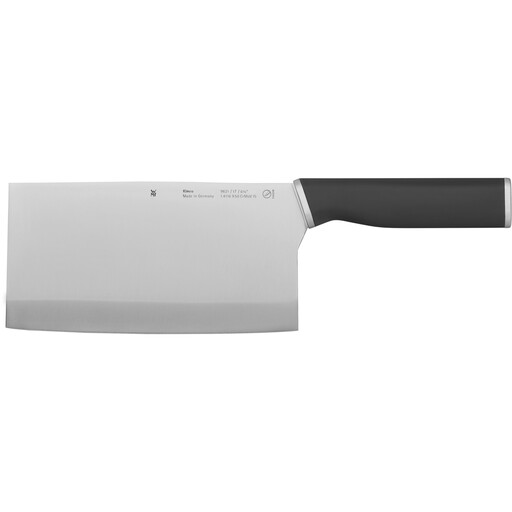
Why This Fits Their Persona: Perfect for the modern household that wants to combine the functionality of a Chinese cleaver with the proven durability and design of German engineering. A high-performance tool for intensive daily use.
WMF focuses on transparent quality with its Performance Cut Technology and hardened special blade steel (55-58 HRC). This provides a reliable foundation that goes far beyond vague marketing claims.
The combination of a modern, kinetic design and an ergonomic handle ensures superior comfort and control. The seamless construction is also exceptionally hygienic.
We've compiled a complete, up-to-date list of products that fully meet these strict selection criteria and German safety regulations.
1. What is the difference between a Chinese chef's knife and a meat cleaver? A classic Chinese chef's knife (Pian Dao) is a slicing tool with a thin, sharp blade for precisely cutting vegetables and meat. A meat cleaver (often called a butcher's cleaver) has a much thicker and heavier blade specifically designed for chopping through bone. Using a slicing knife to chop bones will inevitably lead to blade damage.
2. How do you properly sharpen a Chinese chef's knife? Due to the typically flat, double-bevel grind, whetstones are very effective. Maintain a shallow angle (approx. 15-20 degrees) and draw the blade evenly across the stone. For regular maintenance between sharpenings, a honing steel can be used to realign the blade's edge. Manual knife sharpeners with pre-set angles are a simple alternative for beginners.
3. Is a heavy weight an advantage or disadvantage for a Chinese cleaver? It depends on the intended use. A heavier weight can be beneficial when chopping harder vegetables like squash or cabbage, as the knife glides through the food with less effort. However, for fine, rapid slicing, a heavy weight can be fatiguing. A well-balanced knife with a moderate weight is the ideal compromise for most home cooks.