
Lieferung heute & morgen

Qualitätsgarantie

Willkommens-Angebote freischalten: KOSTENLOSE Lieferung | Bis zu 80 % RABATT | Kostenlose 30-Tage-JoyPlus-Testphase
App herunterladen
A Chinese chef's knife, often characterized by its wide blade, is an extremely versatile tool in the kitchen. It's excellent for slicing vegetables, portioning meat, and even transferring ingredients from the cutting board to the wok. However, the vast selection and misleading descriptions can make purchasing one difficult. As your Joybuy Product Recommendation Officer, I'll help you understand the crucial features and avoid common purchasing mistakes.
Many buyers are disappointed after a short time because the knife doesn't meet their expectations. This is often due to two common misunderstandings that lead to the wrong product choice.
To ensure you get a durable and functional tool, you should check three technical aspects before buying.
The most important distinguishing feature is the function for which the knife was designed.
Check the product description carefully to ensure you select the right type of knife for your needs.
The quality of the steel is a major determinant of edge retention and durability. The degree of hardness is measured in Rockwell (HRC).
Brands like Zwilling often use specially hardened steel (e.g., FRIODUR blades) that offers a good balance of hardness, flexibility, and corrosion resistance.
An Asian chef's knife with a wide blade can be blade-heavy. Good balance between the blade and handle is crucial for safe and fatigue-free handling. A full tang, where the steel of the blade runs through the entire handle, is a clear sign of quality. It provides stability and a balanced weight distribution. Look for an ergonomically shaped handle that provides a secure grip, even when wet.
Here are some recommendations tailored to different user profiles that meet the quality criteria mentioned above.
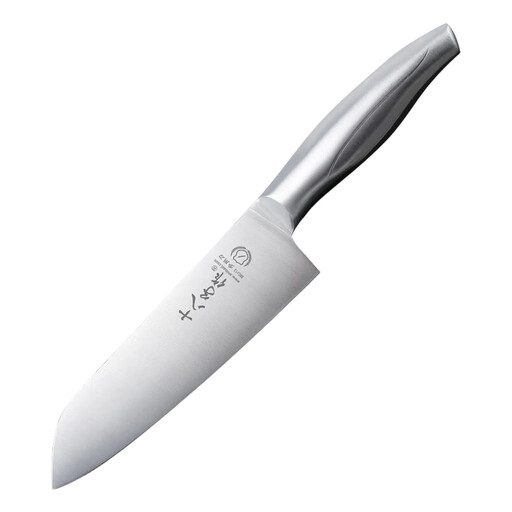
Why This Fits Their Persona: Ideal for anyone who wants to try out handling a Chinese chef's knife without a large investment. It offers an authentic experience for basic cutting techniques in Asian cuisine.
This knife is clearly positioned as a multi-purpose slicing tool, not a cleaver. It avoids the risk of mistakenly using a slicing-only knife for heavy-duty tasks.
Robust and simple construction at a very accessible price. The stainless steel handle is durable and hygienic.
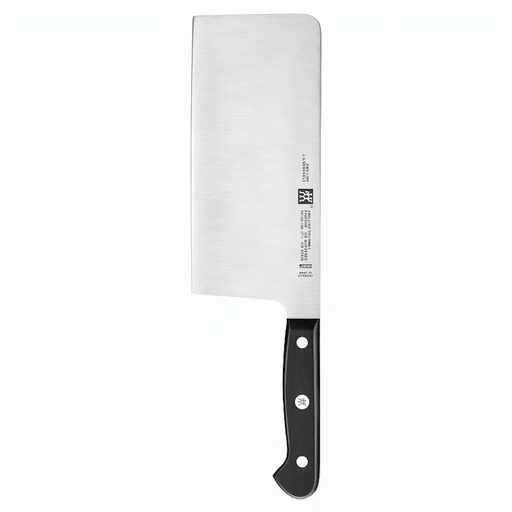
Why This Fits Their Persona: Perfect for ambitious chefs who value German manufacturing quality and first-class materials. An investment in a durable, precise, and perfectly balanced kitchen tool.
The ice-hardened FRIODUR blade made from a special steel formula addresses the problem of inferior steel. It offers high edge retention and corrosion resistance that cheaper models lack.
Excellent balance thanks to the ergonomic handle with a three-rivet design. Its light weight allows for fatigue-free work, even with large quantities.
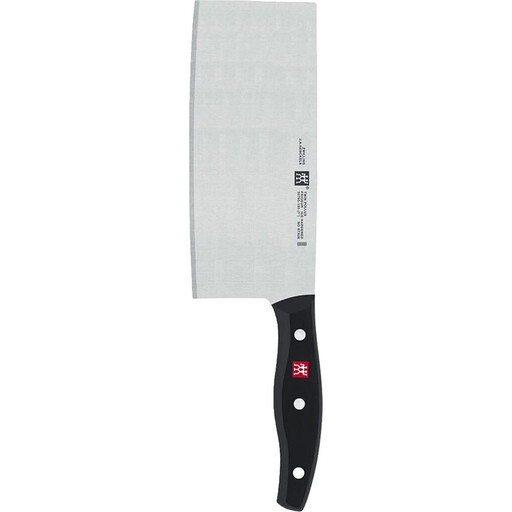
Why This Fits Their Persona: A reliable all-around knife for the daily preparation of vegetables and meat. It combines Zwilling's proven blade technology with an attractive price-performance ratio.
This model also features an ice-hardened FRIODUR blade (hardness 55-58 HRC), which ensures long-lasting sharpness and prevents the problem of quickly dulling steel.
The wide blade surface is extremely practical for chopping and scooping ingredients. The ergonomic handle ensures comfortable and safe handling.
We have compiled a complete, up-to-date list of products that fully meet these strict selection criteria and German safety regulations.
No, in most cases, you cannot. The majority of Chinese chef's knives available on the market are slicers (Cai Dao) with a thin blade intended for vegetables and boneless meat. Using it on bones will damage the blade. For that task, you need a special Chinese cleaver (Gu Dao), which has a much thicker and more robust blade.
Due to the thin blade and fine grind, using a water stone (whetstone) is recommended. This allows the cutting angle to be maintained precisely. It is important to maintain the angle specified by the manufacturer (often flatter than with European knives). For less experienced users, a high-quality pull-through sharpener suitable for Asian blades can also deliver good results.
It's less about "better" and more about "different." The choice depends on your preferred cutting technique.
Choose the tool that best suits the dishes you prepare most often and the cutting motion that feels most natural to you.