
Lieferung heute & morgen

Qualitätsgarantie

Willkommens-Angebote freischalten: KOSTENLOSE Lieferung | Bis zu 80 % RABATT | Kostenlose 30-Tage-JoyPlus-Testphase
App herunterladen
A versatile Chinese chef's knife can be a true workhorse in the kitchen, handling everything from finely slicing vegetables to breaking down meat. However, the market is saturated, and many buyers fall into traps that lead to frustration and a useless tool. Before you make a decision, it's crucial to distinguish between marketing hype and the product features that truly matter.
This guide will help you avoid the most common mistakes and find a knife that meets your needs.
Many well-intentioned purchases end in disappointment because fundamental differences are overlooked. Pay close attention to these three points to avoid a costly mistake.
To make the right choice, focus on the following technical parameters. These determine the performance, durability, and safety of your knife.
Before buying, consider its intended use. The blade thickness is the key indicator here:
The quality of the steel determines its edge retention (how long the knife stays sharp) and corrosion resistance.
The way the blade is anchored in the handle affects the balance and stability of the entire knife.
Here are some recommendations tailored to different user profiles and their requirements.
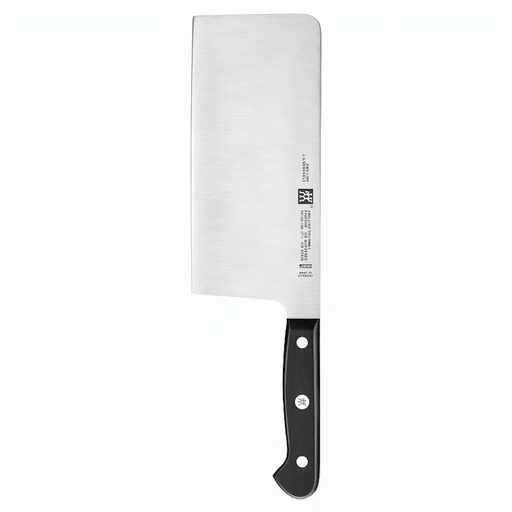
Why This Fits Their Persona: Ideal for home cooks who want a reliable and versatile all-purpose knife for daily preparation of Asian and international dishes. The Zwilling brand represents proven German quality.
It sidesteps the trap of poor balance. The description highlights the ergonomic handle and balanced construction, which allows for fatigue-free work.
The ice-hardened FRIODUR blade offers high corrosion resistance and long-lasting sharpness. Made in Germany.
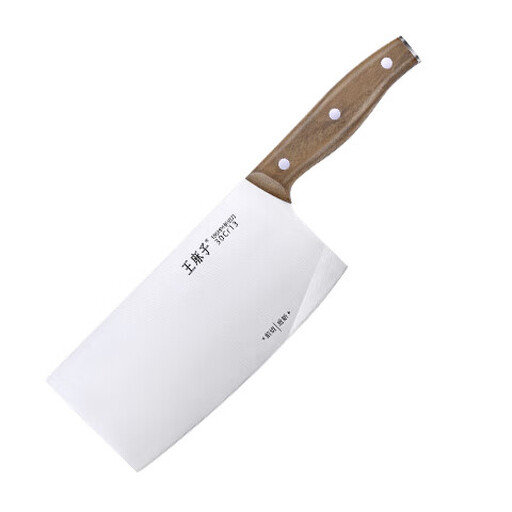
Why This Fits Their Persona: For chefs seeking an authentic, robust tool with traditional character. Wangmazi is a historic brand, and the walnut handle design speaks for itself.
This knife is clearly declared as a "Chopping Knife Cleaver." It avoids the trap of buying a delicate slicer for heavy-duty work, as it's designed for more robust tasks.
Robust construction from 400-series stainless steel for durability. The classic walnut wood handle offers a traditional feel and look.
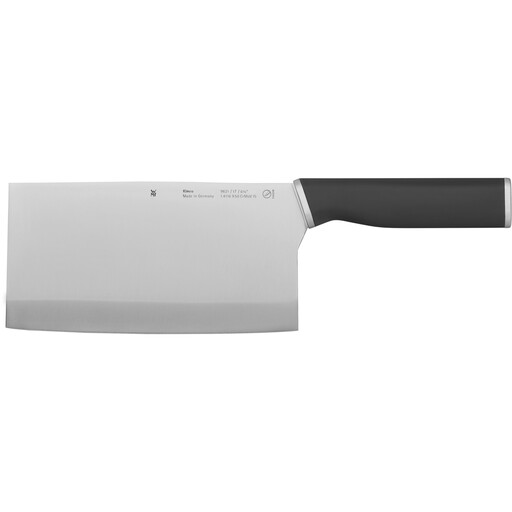
Why This Fits Their Persona: For cooks who value a modern aesthetic that combines functionality and design. This knife is a statement piece in any contemporary kitchen.
It avoids the trap of outdated ergonomics. The "kinetic design" and ergonomic handle are explicitly engineered for modern comfort and handling.
According to the manufacturer, the WMF Performance Cut technology ensures long-lasting sharpness. The hardened special formula blade steel provides stability and corrosion resistance.
We have compiled a complete, up-to-date list of products that fully meet these strict selection criteria and safety standards.
That depends entirely on the type. A thin slicing knife (Cai Dao) will be damaged by this. Only a designated Asian-style cleaver with a thick, heavy blade (Gu Dao or chopper) is suitable for chopping through small bones, such as from poultry. Always check the manufacturer's specifications.
Most Chinese chef's knives can be sharpened effectively on a whetstone. The sharpening angle is typically a bit more acute than on European knives. It is advisable to maintain the manufacturer's recommended angle to ensure optimal cutting performance. A honing steel can be used for regular maintenance between sharpening sessions.
No single knife type is inherently "better"—they are optimized for different techniques. The German chef's knife, with its curved blade, is ideal for the rocking-chop technique. The Santoku is a Japanese all-rounder. The main advantage of the Chinese chef's knife lies in its wide, rectangular blade, which is used not only for cutting but also for crushing ingredients (like garlic) and for scooping and transporting chopped food. The choice depends on your preferred working style in the kitchen.